
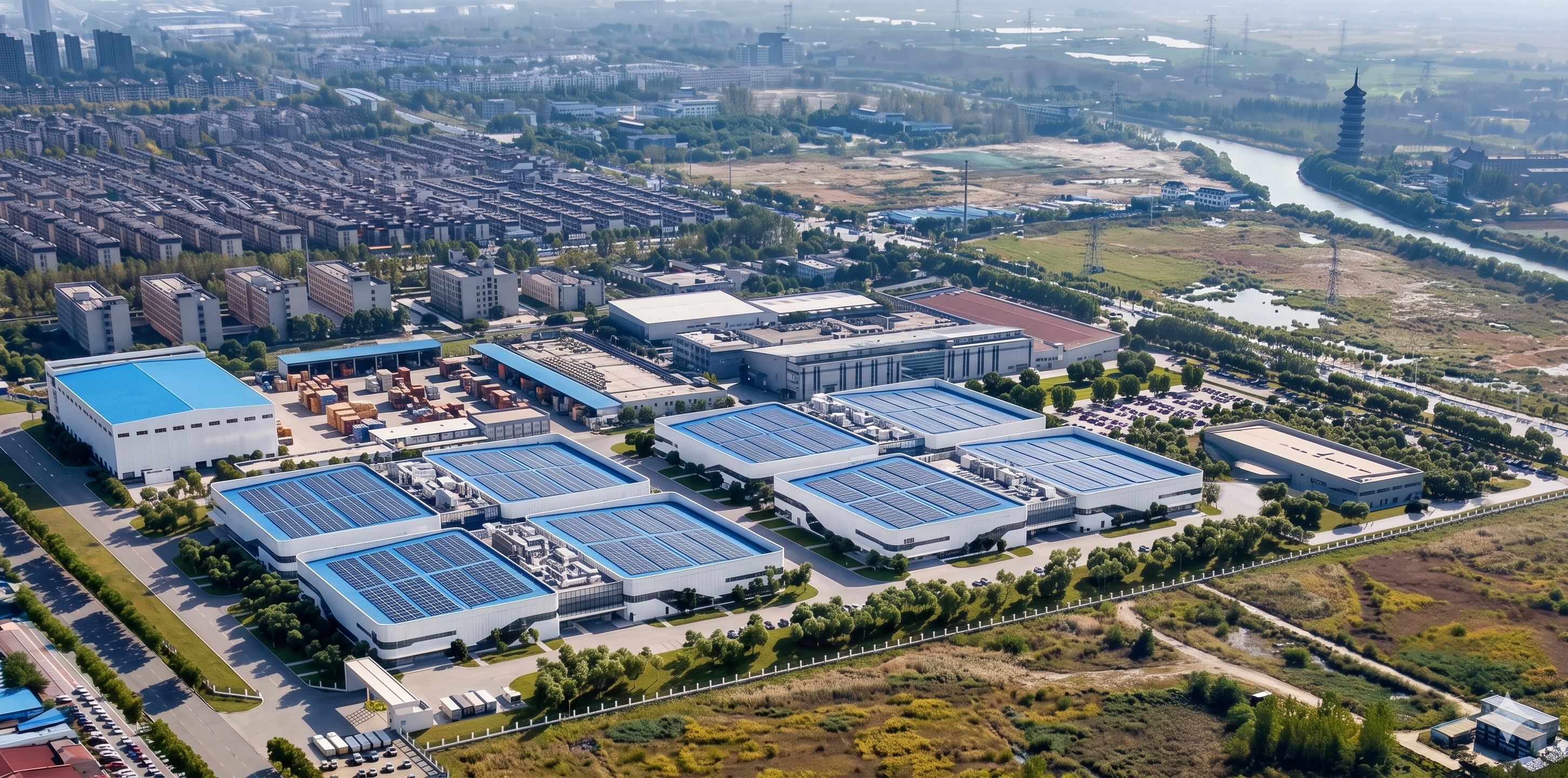
















As manufacturing clients continue to expand into Southeast Asia, Mexico, Malaysia, Indonesia, and other regions, overseas manufacturing bases face greater uncertainty during the construction and operation phases. Common pain points for clients include:
New overseas factory projects have tight timelines, requiring cross-regional collaboration in design, procurement, construction, commissioning, and acceptance.
Local plant operations, construction, supply chain, and technical personnel have varying capabilities, affecting project delivery quality.
There is a gap between the parent company's standards and local actual conditions, making system replication difficult.
Differences in language, culture, regulations, construction habits, and on-site management methods increase project communication costs.
The electronic post-production maintenance team is unfamiliar with complex systems, which affects long-term stable operation.
The company hopes to replicate the mature factory operations experience of China mainland and Taiwan overseas, but lacks standardized tools and localized service capabilities.
PAIN POINTS
Industry pain points
SOLUTION
JOSUN Solutions
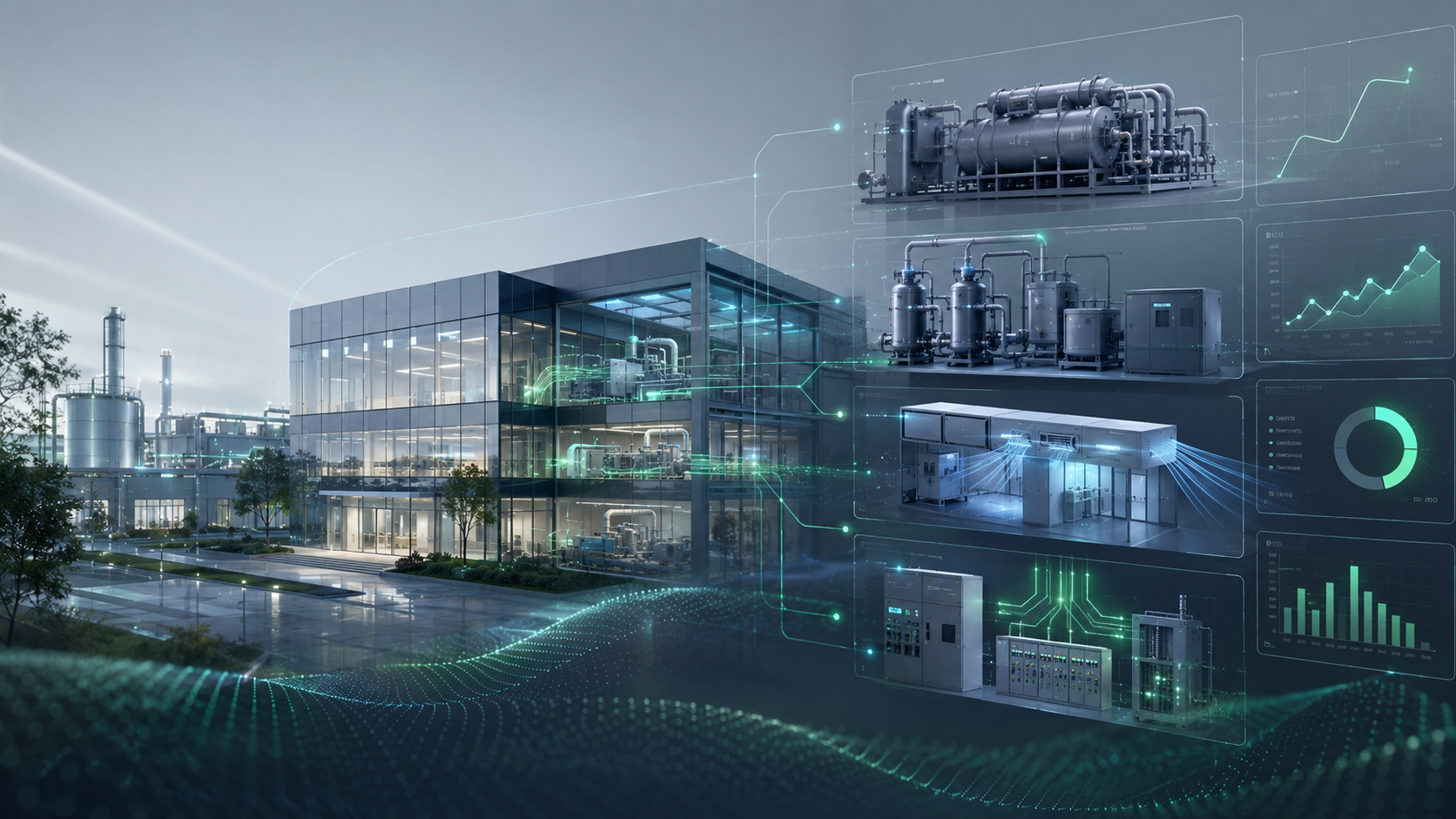
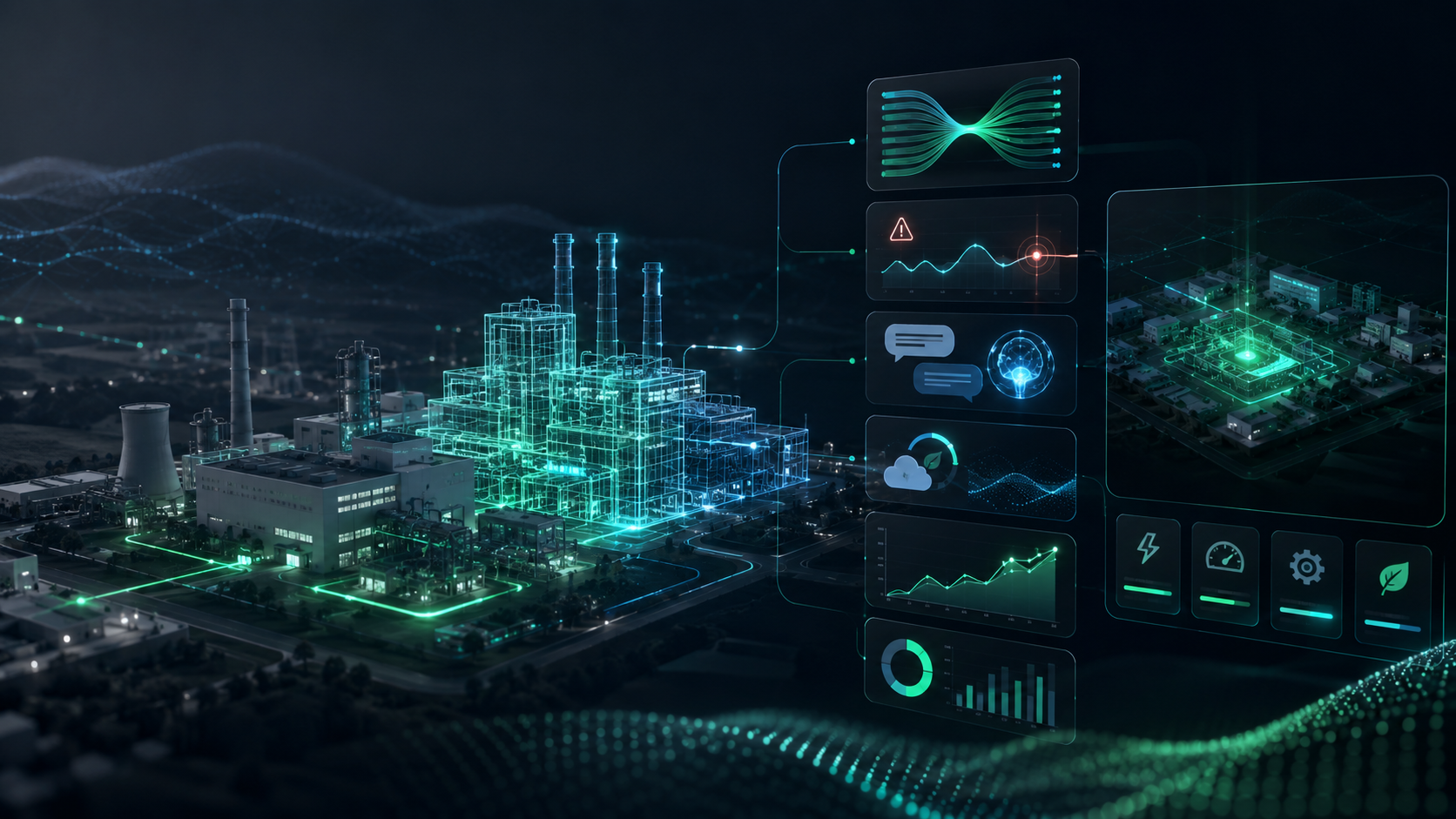
Drawing on project experience across Taiwan, Mainland China, Thailand, and Southeast Asia, JOSUN provides MEP integration for overseas greenfield facilities, FMCS and EMS implementation, automation and controls, smart HVAC, heat recovery, edge controllers, local construction coordination, and cross-regional project management. We help clients replicate low-carbon smart factory capabilities across global manufacturing sites.


Related cases
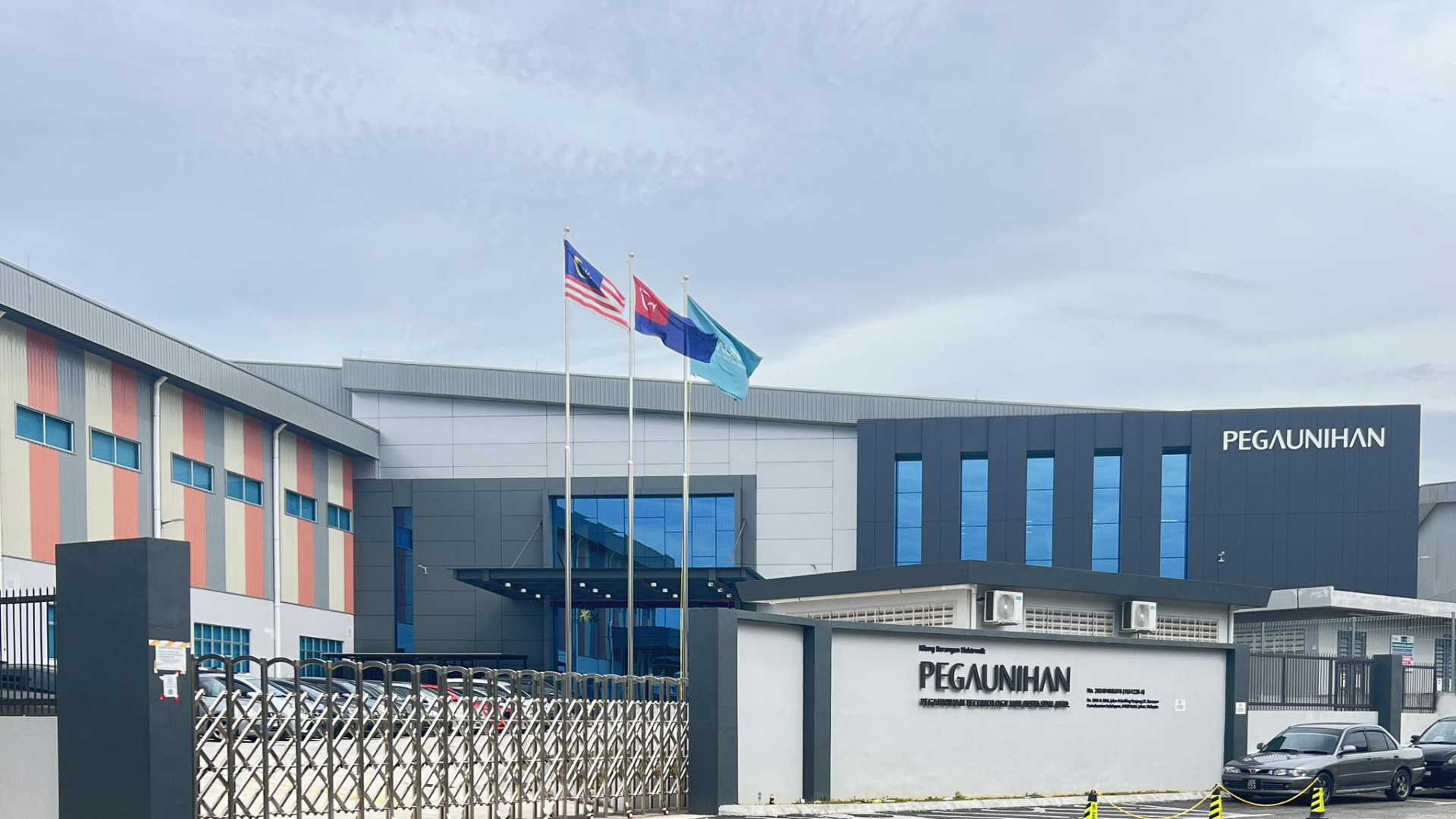
Semiconductor / Packaging Testing
PEGATRON
Malaysia Plant
Malaysia Plant

Southeast Asia, Malaysia
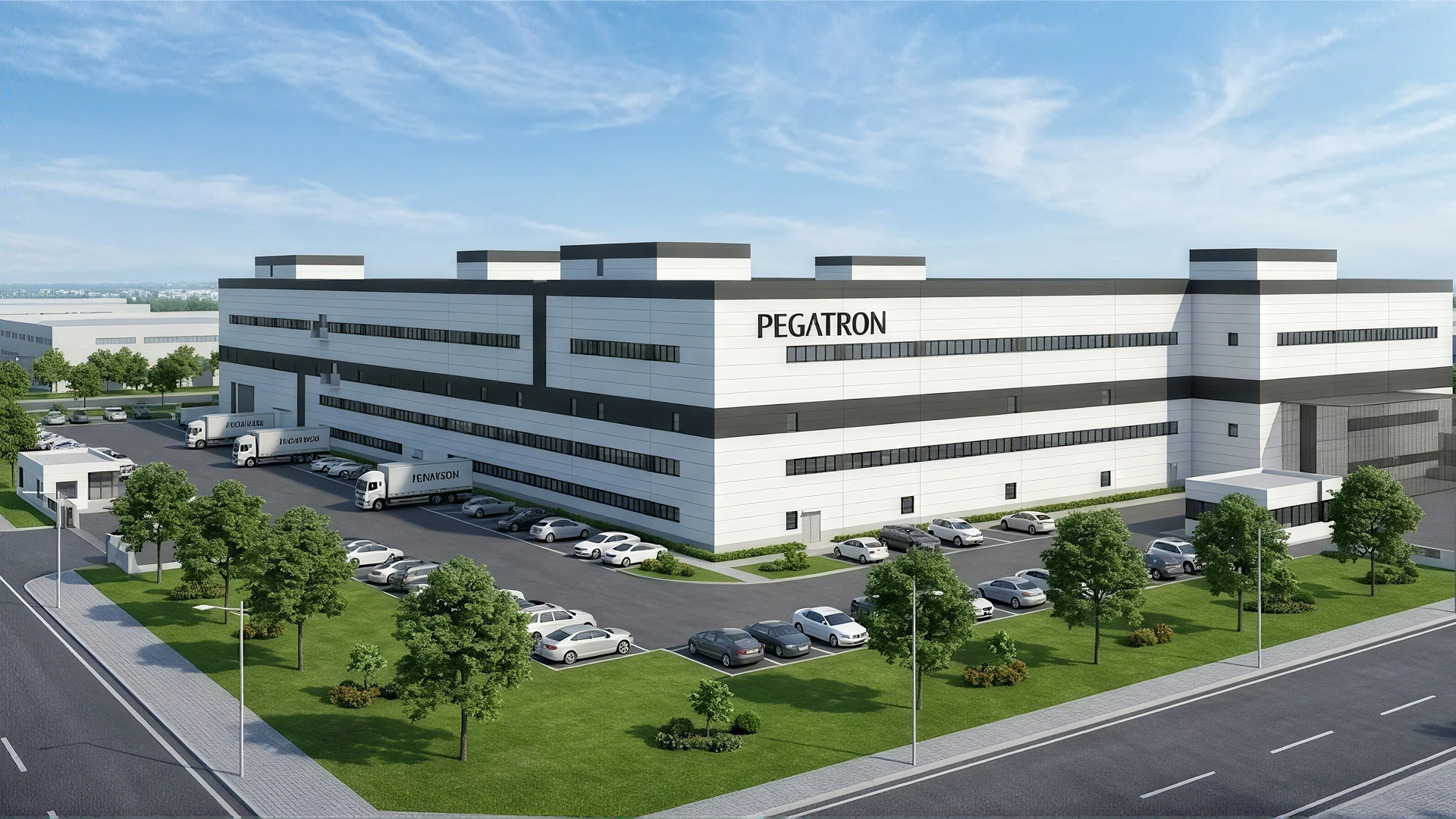
Semiconductor / Packaging Testing
PEGATRON
Mexico Plant
Mexico Plant

2021 ~ 2022
North America, Mexico
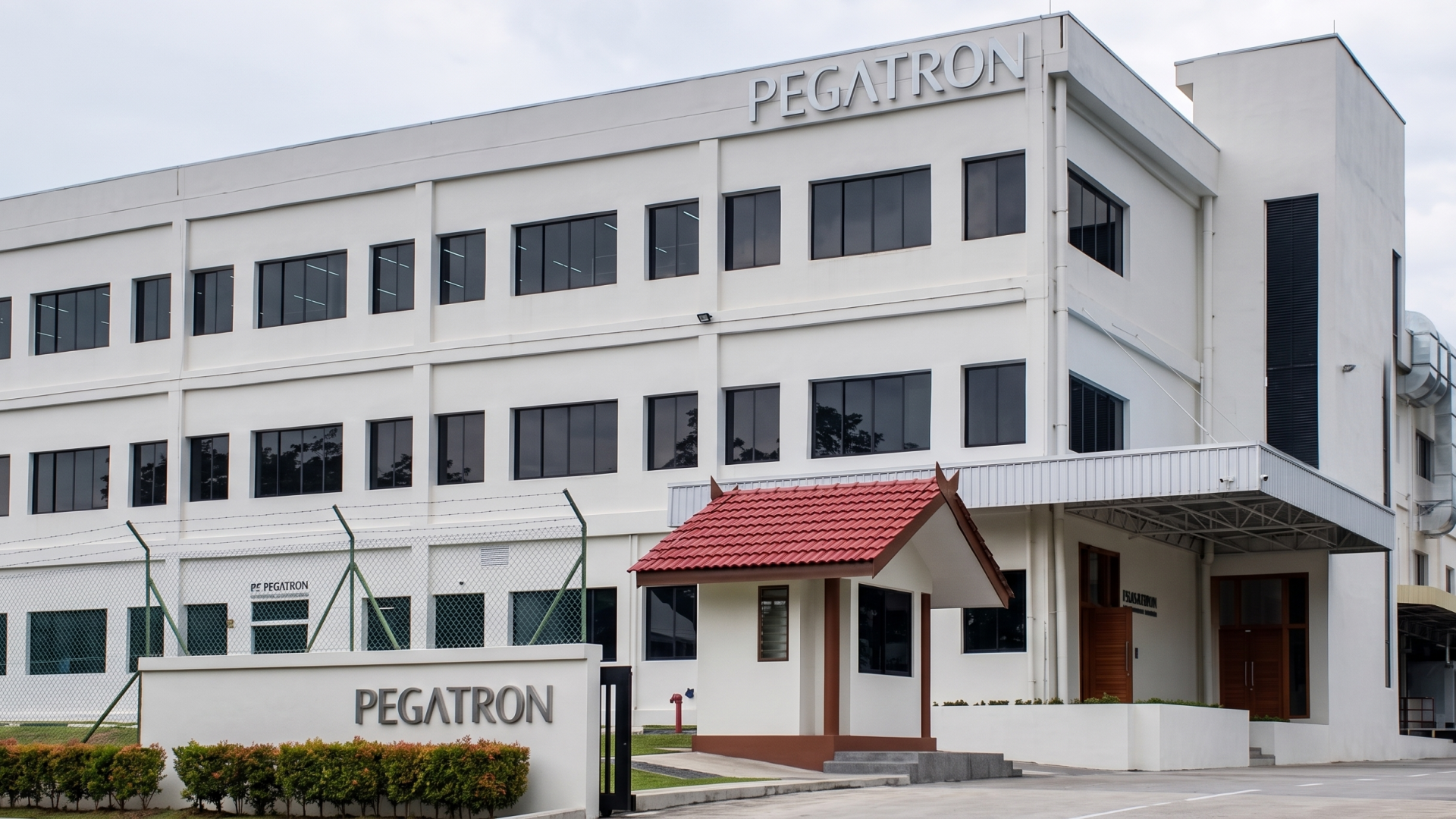
Semiconductor / Packaging Testing
PEGATRON
Indonesia Plant
Indonesia Plant
2021 ~ 2025
Southeast Asia, Indonesia
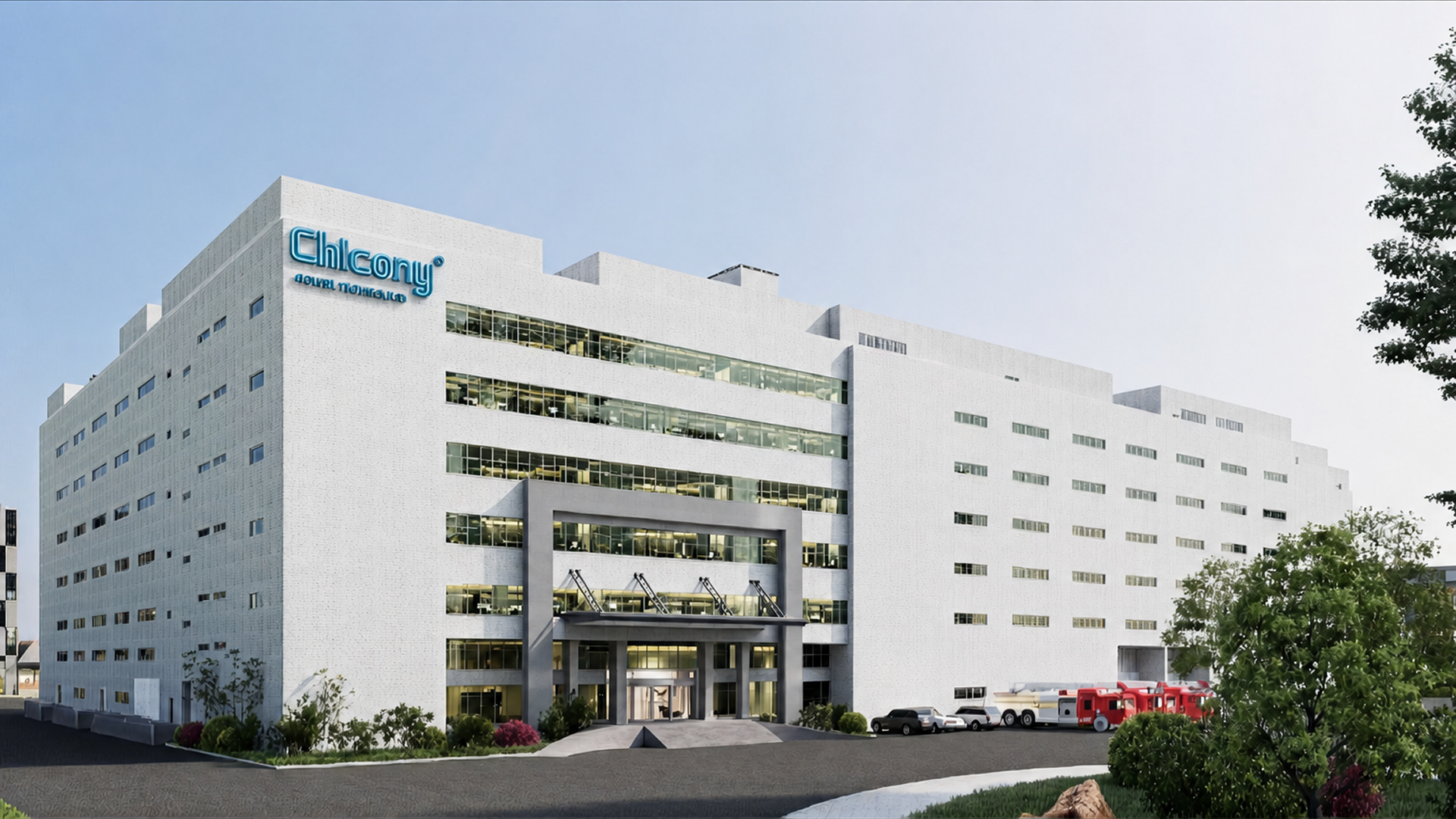
PCB / electronics manufacturing
Chicony Electronics
Thailand Plant
Thailand Plant
Southeast Asia, Thailand
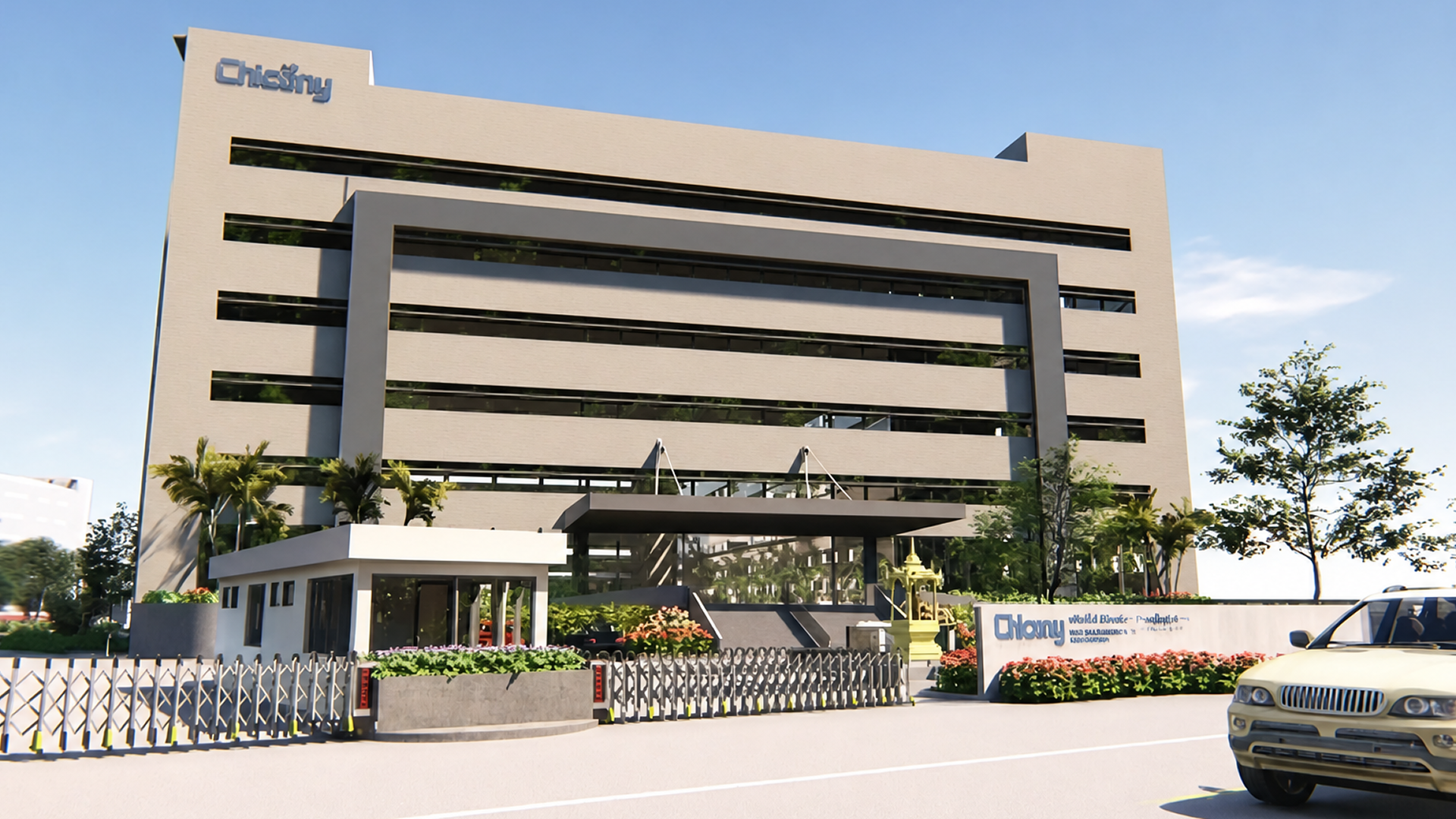
PCB / electronics manufacturing
Chicony Power
Thailand Plant
Thailand Plant
Southeast Asia, Thailand

Manufacturing/chemical manufacturing
Ivy Seals(Pu Ying Group)
Southeast Asia, Thailand
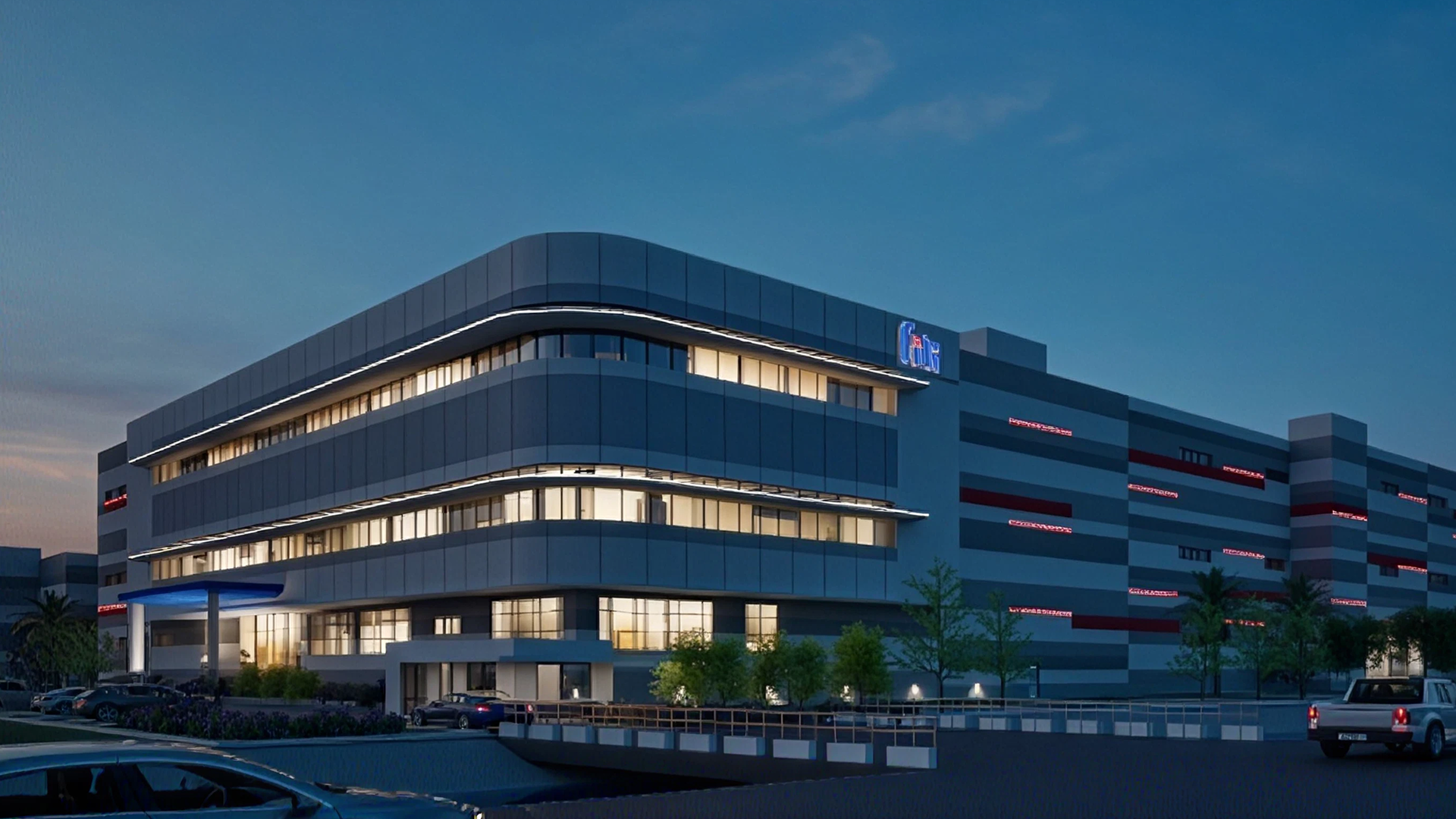
PCB / electronics manufacturing
FITI
Thailand Plant
Thailand Plant
Southeast Asia, Thailand
Manufacturing/chemical manufacturing
ITEQ
Thailand Plant
Thailand Plant
2024 ~ 2026
Southeast Asia, Thailand
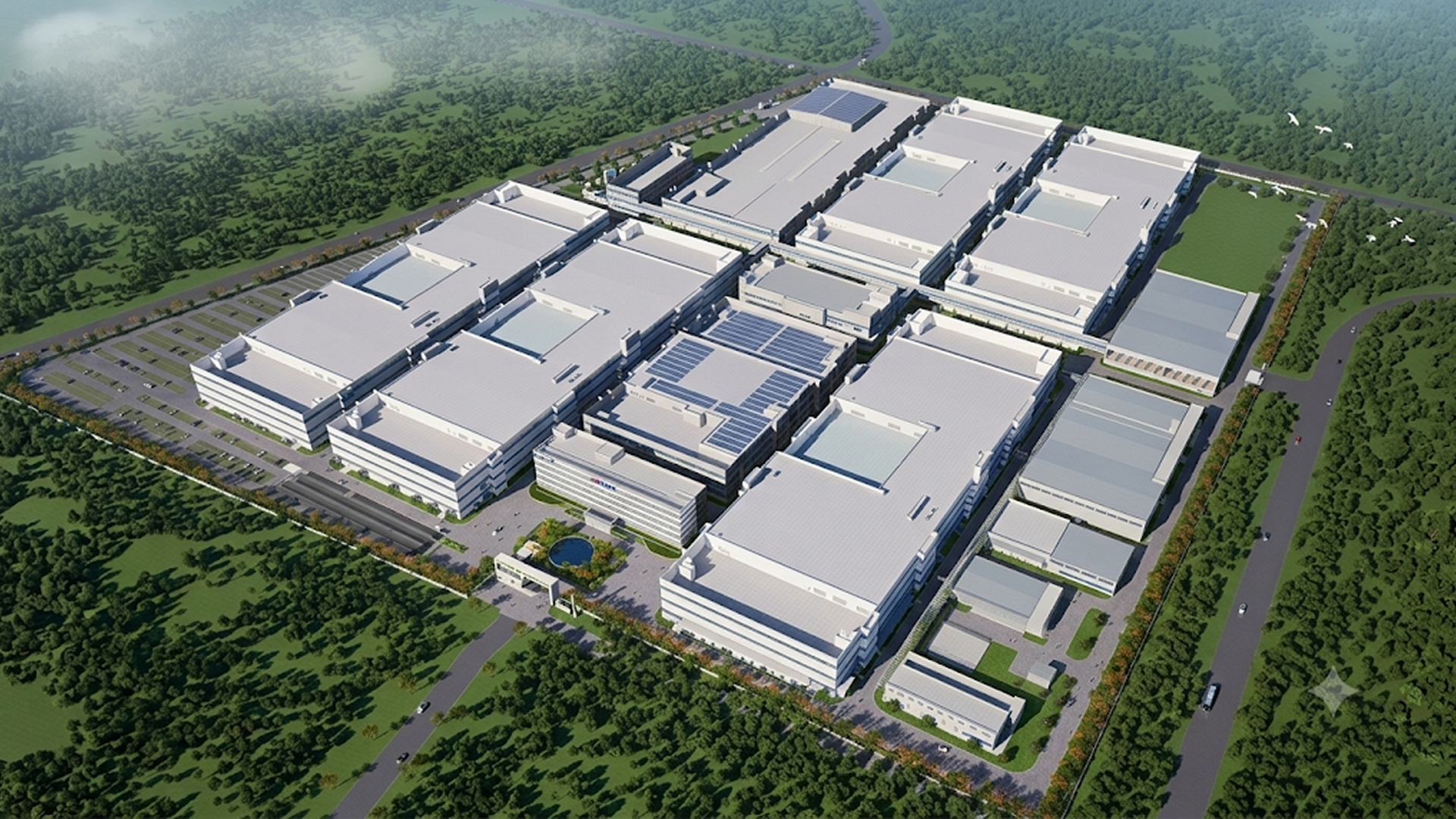
PCB / electronics manufacturing
PENG SHEN TECHNOLOGY
Thailand Plant
Thailand Plant
Southeast Asia, Thailand
Delivery methods
Professionalism and standardization, full lifecycle delivery.

01
Design and planning stage


02
Platform setup phase

03
Project execution phase

04
System Adaptation Stage

05
Operational phase

Design and planning stage

D 0 ESG Preparatory Course
D 1 Sustainability Requirements Definition
D 2 Smart Systems Requirements Definition
D 3 Energy-Efficient MEP Planning and Design
D 4 Green Building Assessment and Design
Platform setup phase
P 0 System architecture analysis
P 1 FMCS Management Platform
P 2 TPMS management platform
P 3 BDCC management platform
P 4 Energy Management Platform
P 5 MEP subsystem intelligent control
P 6 Carbon Emission Management Platform
Project execution phase
E 0 Efficient equipment selection
E 1 Energy-Efficient Chiller Plant
E 2 Smart Air Handling Unit (AHU)
E 3 Smart Lighting Control
E 4 5G smart factory
System Adaptation Stage
S 0 Building Performance Verification Cx
S 1 System equipment performance testing
S 2 HVAC system TAB
S 3 Introduction of system operation and maintenance strategies
Operational phase
O 0 ESG Talent Capability Building
O 1 Carbon Management Capability Training
O 2 Carbon Accounting Rules Training
O 3 Product-Line Carbon Footprint Analysis
O 4 Carbon Peaking and Carbon Neutrality Roadmap
O 5 Supply chain carbon reduction strategies
O 6 IFRS S2 Alignment Preparation
O 7 5-year ESG strategic planning
O 8 Energy consumption and carbon emission data analysis
O 9 Equipment energy-saving improvement assessment
O 10 Introduction of energy management system


