
















Energy flow tracking and KPI management can reduce overall electricity costs by approximately 5–10%.
HVAC energy optimization measures can deliver energy savings of approximately 10–25% across individual subsystems.
Centralized management and system optimization through the FMCS platform improve overall system energy performance.
From equipment control to intelligent operations, we are building a replicable global smart factory model
An international electronics manufacturing company introduced smart air conditioning and edge computing control, achieving up to 25% energy savings in air conditioning systems
Electricity costs can be reduced by about 5–10%.
System energy efficiency can be improved by approximately 5–15%
Air conditioning system energy savings up to 25%
Electricity costs can be reduced by about 5–10%.
System energy efficiency can be improved by approximately 5–15%
Air conditioning system energy savings up to 25%
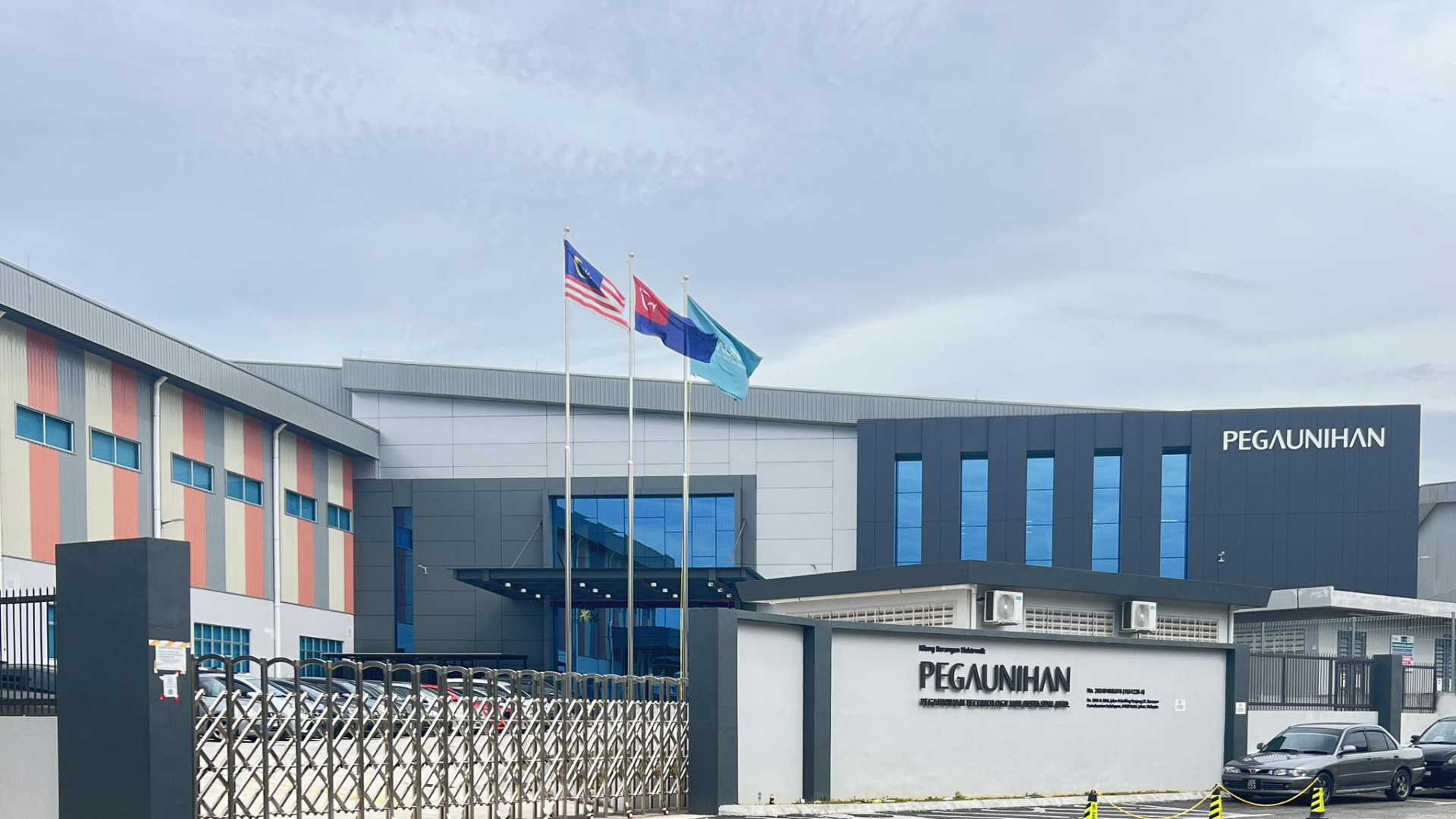

Southeast Asia, Malaysia
Achievements and transformation
Financial Benefit (ROI)
About 5–15%
⚡ Operational and management improvements
Establish centralized factory operations monitoring and management capabilities
Enhance equipment operation stability and management transparency
Assist local teams in quickly establishing autonomous operations and maintenance capabilities
Establish a replicable smart factory management model
Enhance equipment operation stability and management transparency
Assist local teams in quickly establishing autonomous operations and maintenance capabilities
Establish a replicable smart factory management model
ESG and smart manufacturing value
Establish a data foundation for energy and carbon management
Enhance energy management capabilities at overseas sites
Supporting smart factories and sustainable operational development
Laying the foundation for future AI Agents and autonomous control applications
Enhance energy management capabilities at overseas sites
Supporting smart factories and sustainable operational development
Laying the foundation for future AI Agents and autonomous control applications
Customer background
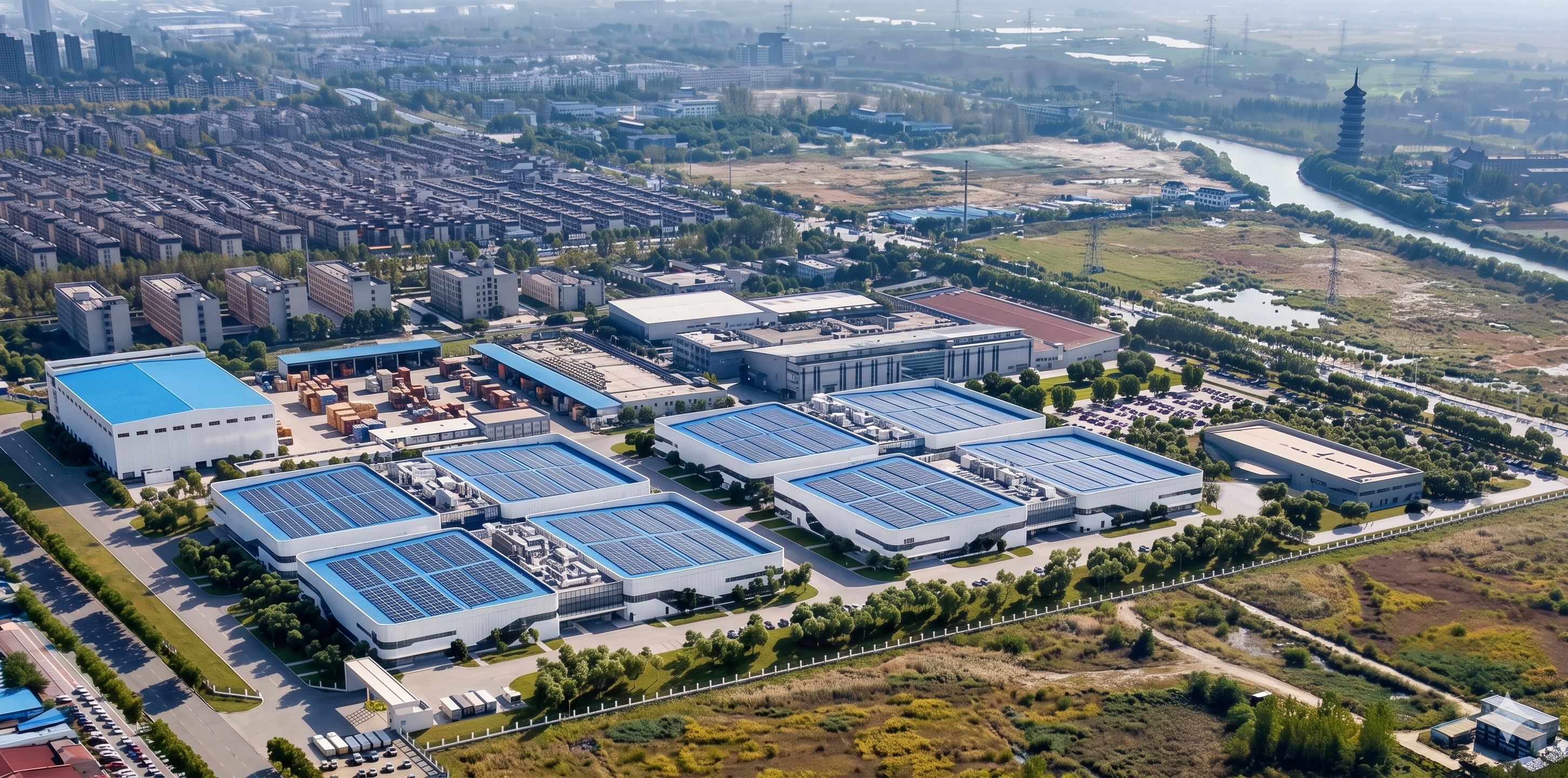
The company is a key member of the global electronics manufacturing supply chain, with products covering information devices, communication products, smart terminals, and consumer electronics.
With diversified global supply chain layouts and continuous expansion of overseas production capacity, the company is actively establishing new manufacturing bases in Southeast Asia, aiming to introduce smart factory operations and energy management architectures at the factory stage to establish a unified global management model.
Faced with the needs of multinational operations and talent training, how to use smart control technology to lower operational thresholds and improve management efficiency has become a key issue in new factory planning.
With diversified global supply chain layouts and continuous expansion of overseas production capacity, the company is actively establishing new manufacturing bases in Southeast Asia, aiming to introduce smart factory operations and energy management architectures at the factory stage to establish a unified global management model.
Faced with the needs of multinational operations and talent training, how to use smart control technology to lower operational thresholds and improve management efficiency has become a key issue in new factory planning.
Challenges and pain points
The equipment system for new factories is complex, and management standards are not easily replicated
The new factory covers air conditioning, utilities, and energy systems. Without standardized management mechanisms, it could easily increase the burden of subsequent operations and training.
Overseas bases need to quickly establish autonomous operation and maintenance capabilities
Local teams need to quickly familiarize themselves with system operations and equipment management, reducing reliance on specific technical personnel.
Air conditioning systems run for long periods, resulting in high energy costs
High-tech electronics factories need to maintain stable environmental conditions, and air conditioning systems operate for extended periods, raising higher demands on energy efficiency and equipment management.
JOSUN Sustainability Solutions
The integrated model of "Consulting + Platform + Engineering" achieves a transformation from decentralized management → data-driven → continuously optimizes energy-saving transformation


Visible: Energy Data Inventory and KPI Management Establishment (Energy Management)
Visible: Energy Data Inventory and KPI Management Establishment (Energy Management)
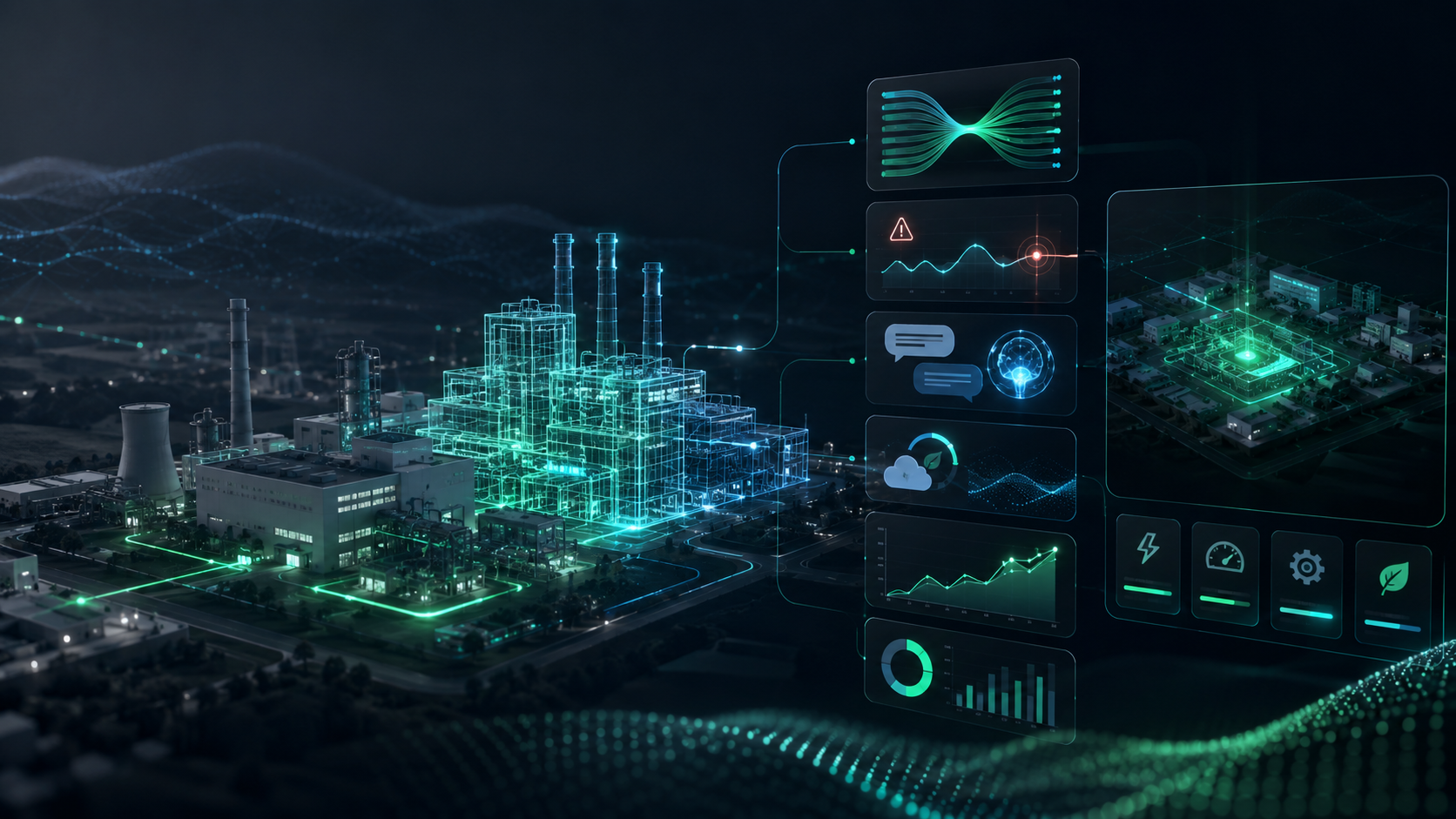
Through the energy management system, we establish mechanisms for energy flow analysis and KPI management, helping managers grasp the energy usage status and equipment performance of each system.
👉 Electricity costs can be reduced by about 5–10%.
👉 Electricity costs can be reduced by about 5–10%.
Managing Control: FMCS Smart Factory Integration Platform (FMCS Management System)
Managing Control: FMCS Smart Factory Integration Platform (FMCS Management System)
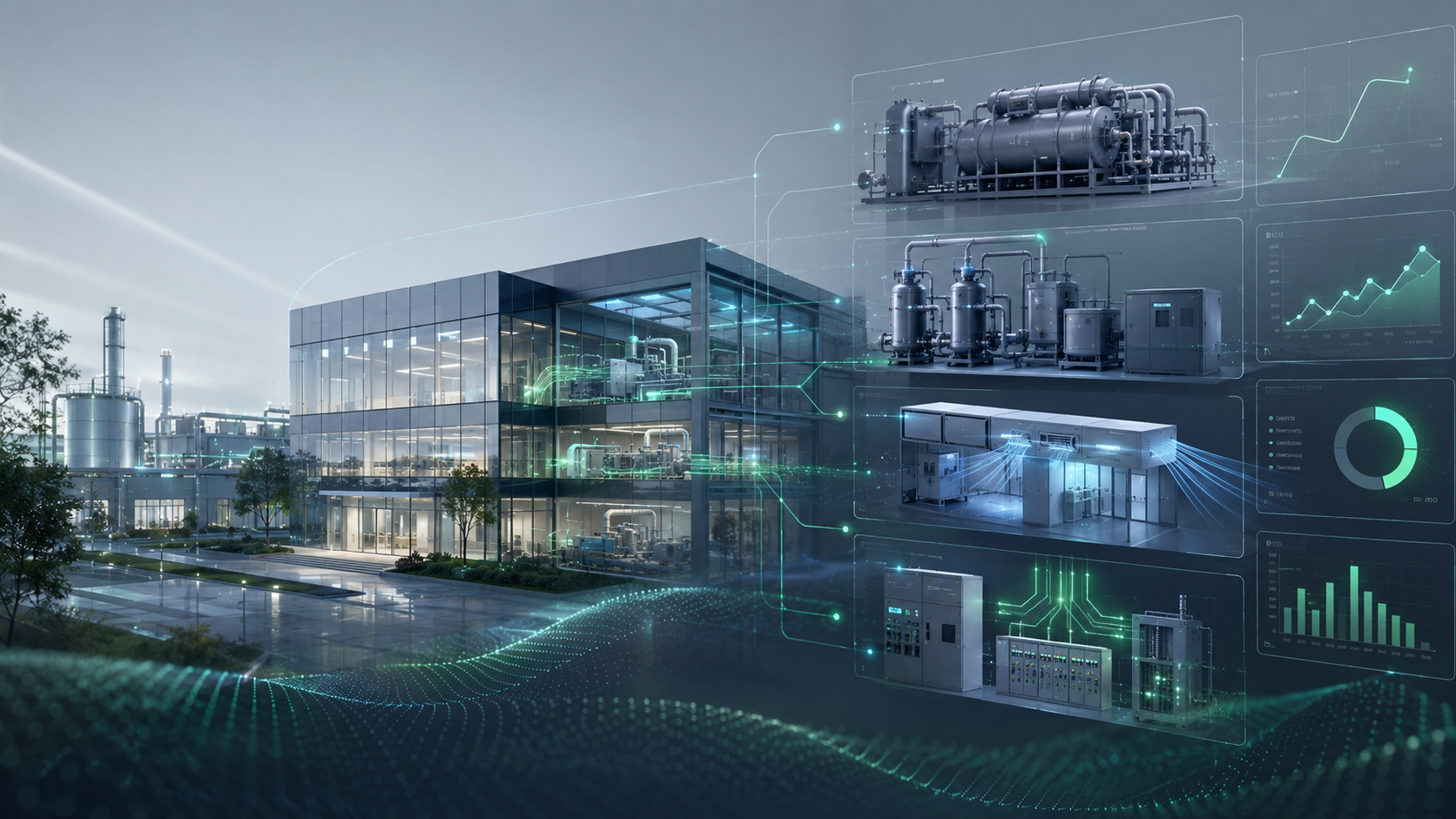
Introduced a one-stop FMCS facility management platform, integrating air conditioning, utility equipment, and energy system information, establishing centralized monitoring, data analysis, and equipment management capabilities.
Through platform analysis and system tuning mechanisms, we continuously improve equipment operational efficiency and management transparency.
👉 System energy efficiency can be improved by approximately 5–15%
Through platform analysis and system tuning mechanisms, we continuously improve equipment operational efficiency and management transparency.
👉 System energy efficiency can be improved by approximately 5–15%
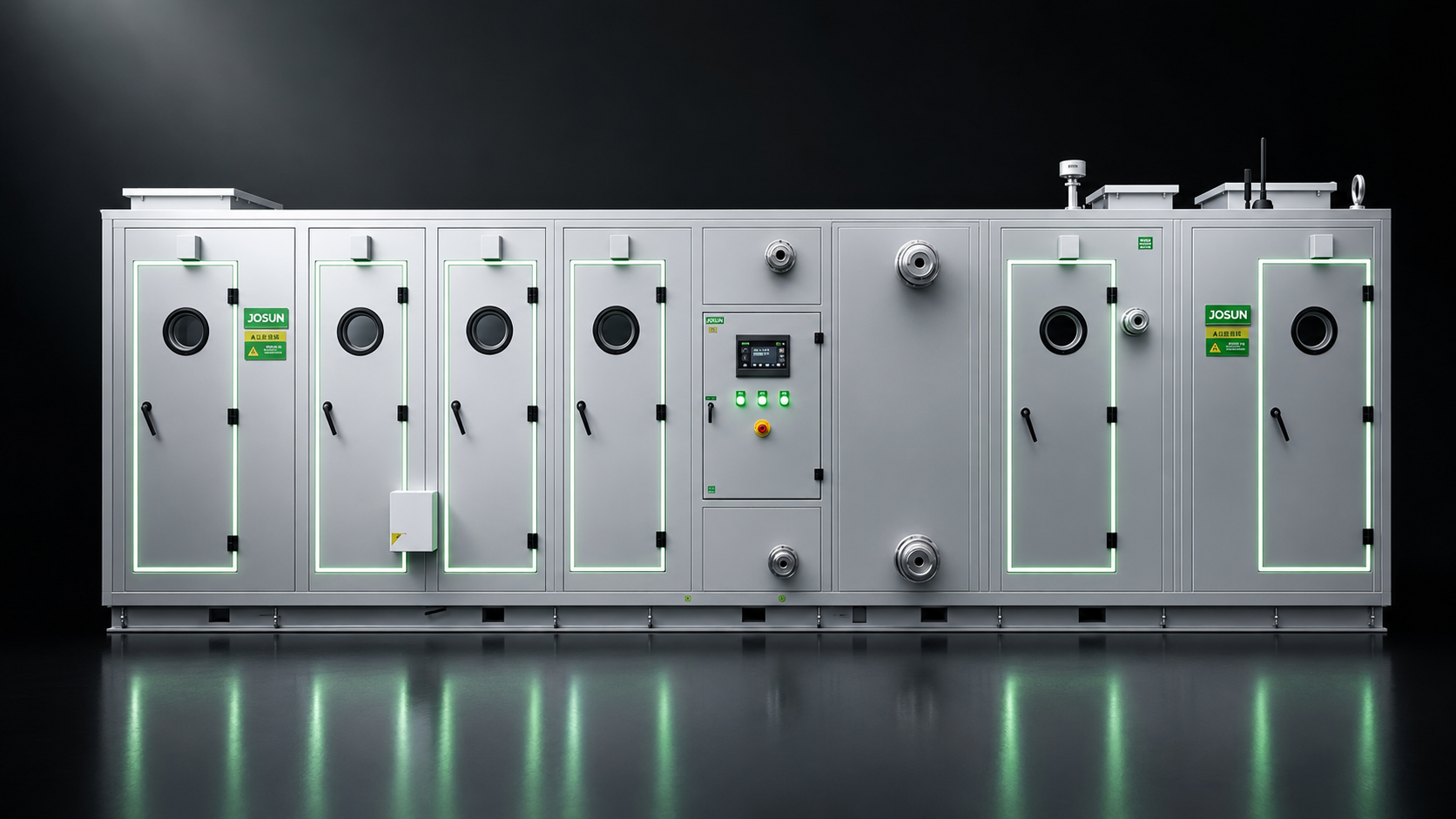
Achieved: Smart Air Conditioning and Edge Computing Control (Smart Air Handling Unit (AHU))
Achieved: Smart Air Conditioning and Edge Computing Control (Smart Air Handling Unit (AHU))
Introducing smart air handling unit (AHU)es and IWA edge computing logic control technology, standardizing and modularizing air conditioning system control logic.
Through the one-touch start function of the air conditioning system, operational complexity is reduced, helping local plant teams quickly master equipment management and operating modes.
👉 Each subsystem of the air conditioning system can improve energy savings by 10–25%.
Through the one-touch start function of the air conditioning system, operational complexity is reduced, helping local plant teams quickly master equipment management and operating modes.
👉 Each subsystem of the air conditioning system can improve energy savings by 10–25%.
APPLICATION
Why JOSUN
Deeply engaged in high-tech electronics manufacturing scenarios
Understand the high demands of high-tech electronics factories for environmental stability, equipment reliability, and energy efficiency.
FMCS × intelligent HVAC × edge computing integration
From equipment monitoring to intelligent control, we assist enterprises in establishing a complete smart factory management framework.
Enable rapid deployment and replication across overseas sites
Through standardized control logic and intelligent management platforms, training costs are reduced and overseas sites are accelerated to connect.


