









SOLUTIONS

Smart Commercial Buildings and Campuses

VALUE PROPOSITION

Integrating Technology Innovation with Smart Systems

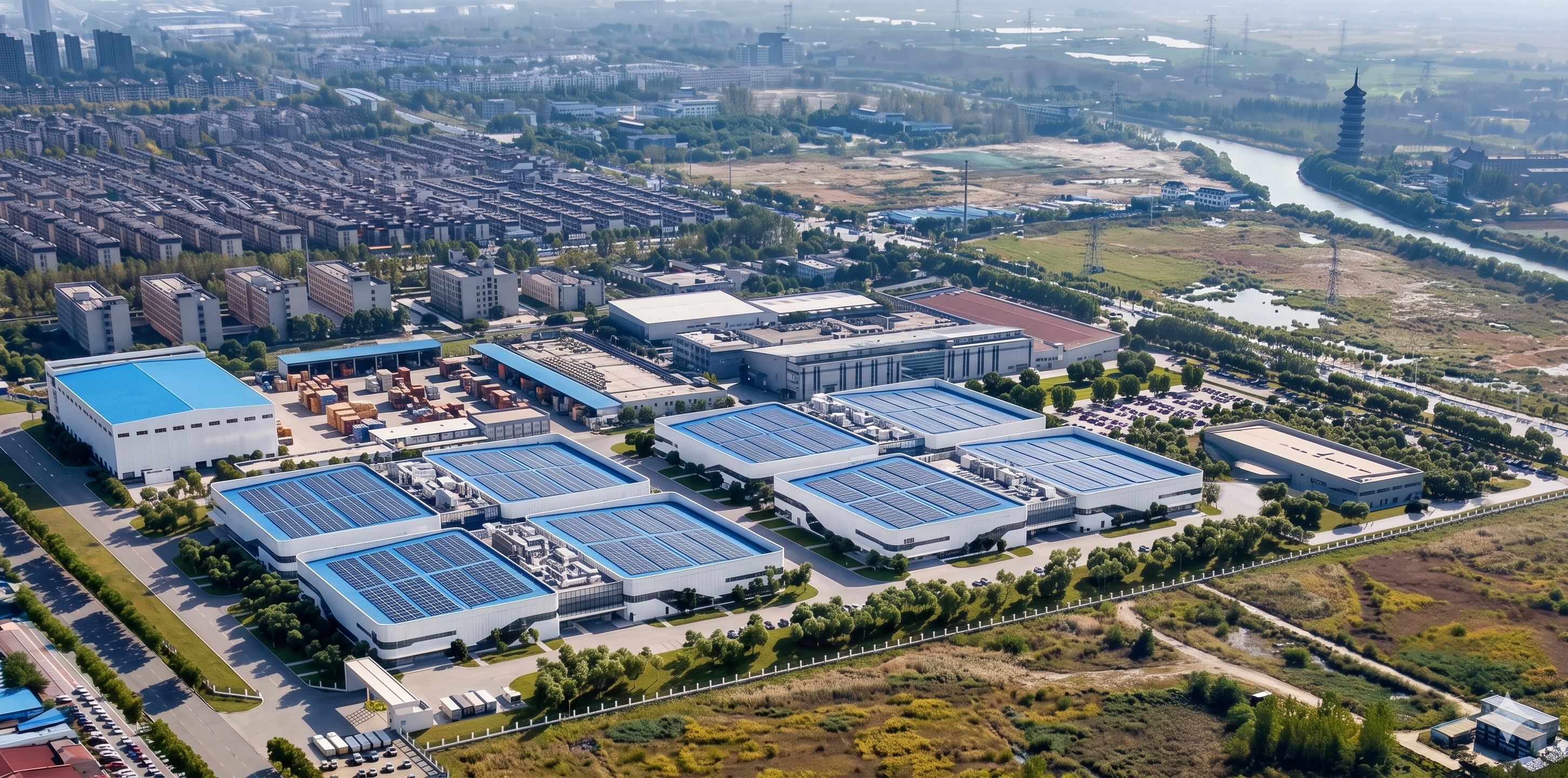
Our achievements span Taiwan, mainland China, and Southeast Asia, serving scientific research institutions, well-known commercial buildings, electronics factories, international tourist hotels, and other buildings. We collaborate with numerous renowned architects and consulting firms to complete numerous well-known projects. We provide building energy management and facility management tools, effectively integrating multi-building buildings into system integration, making operation and maintenance more convenient and efficient, and introducing intelligent linkage control. We integrate system automation into daily life scenarios and create convenient and nature-friendly architectural environments.
KEY PILLARS

What is the future of smart buildings?

Building for net zero
Buildings account for approximately 30% of global energy consumption and nearly 40% of annual CO₂ emissions. Achieving a sustainable future requires transforming the built environment. To support the IPCC pathway for limiting global warming to 1.5°C, we must accelerate building decarbonization toward 2050.
Improving operational efficiency
Operational efficiency is essential to reducing emissions and operating costs. Advances in technology and connected IoT devices enable building owners and operators to leverage big data and AI for smarter decision-making and more cost-effective operations.
Creating human-centric buildings
Data and automation help ensure that workplaces are configured to support occupant comfort, well-being, and productivity. Smart building technologies also enhance property appeal, tenant retention, and market differentiation.
SOLUTIONS

Solution details

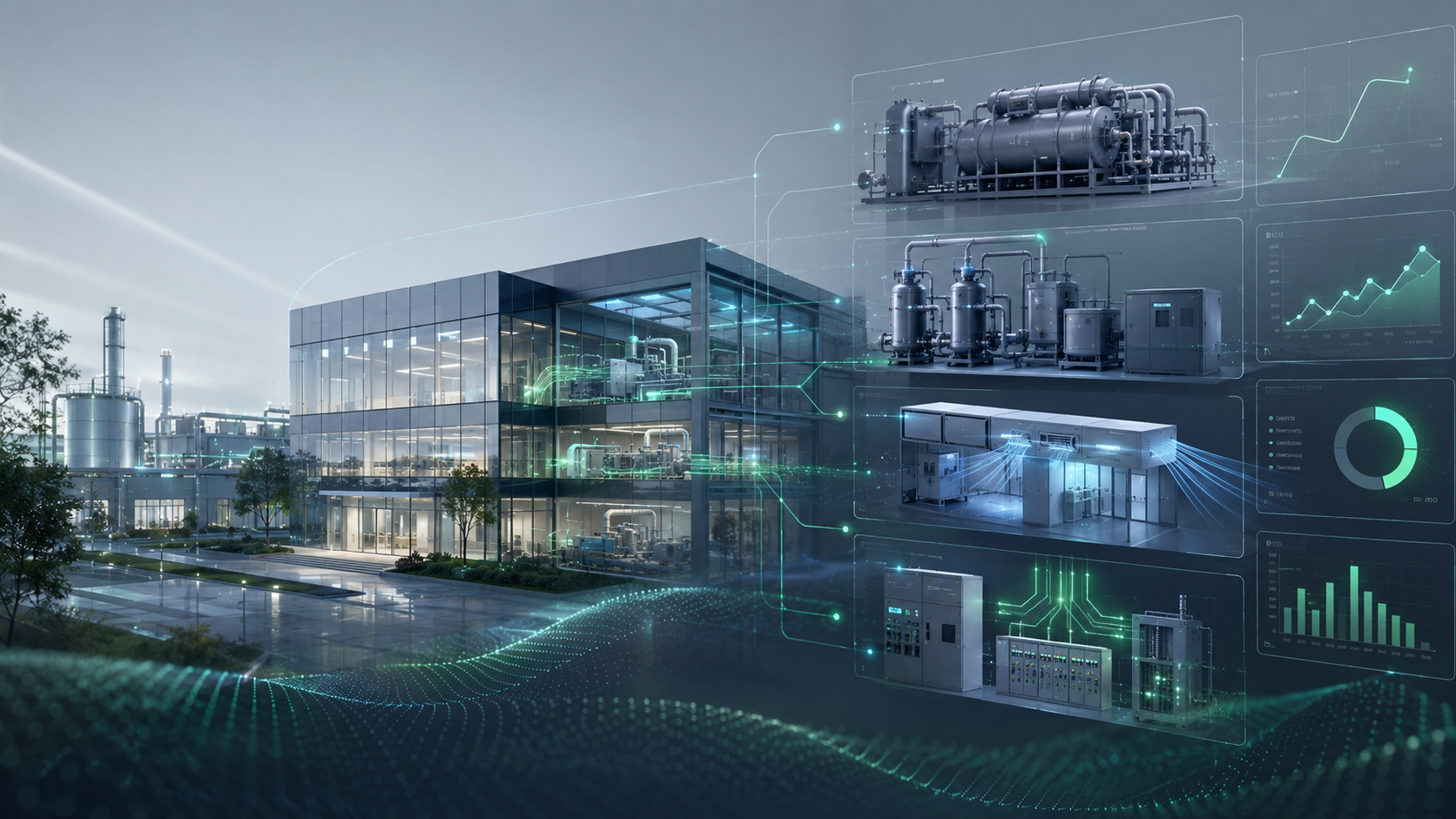
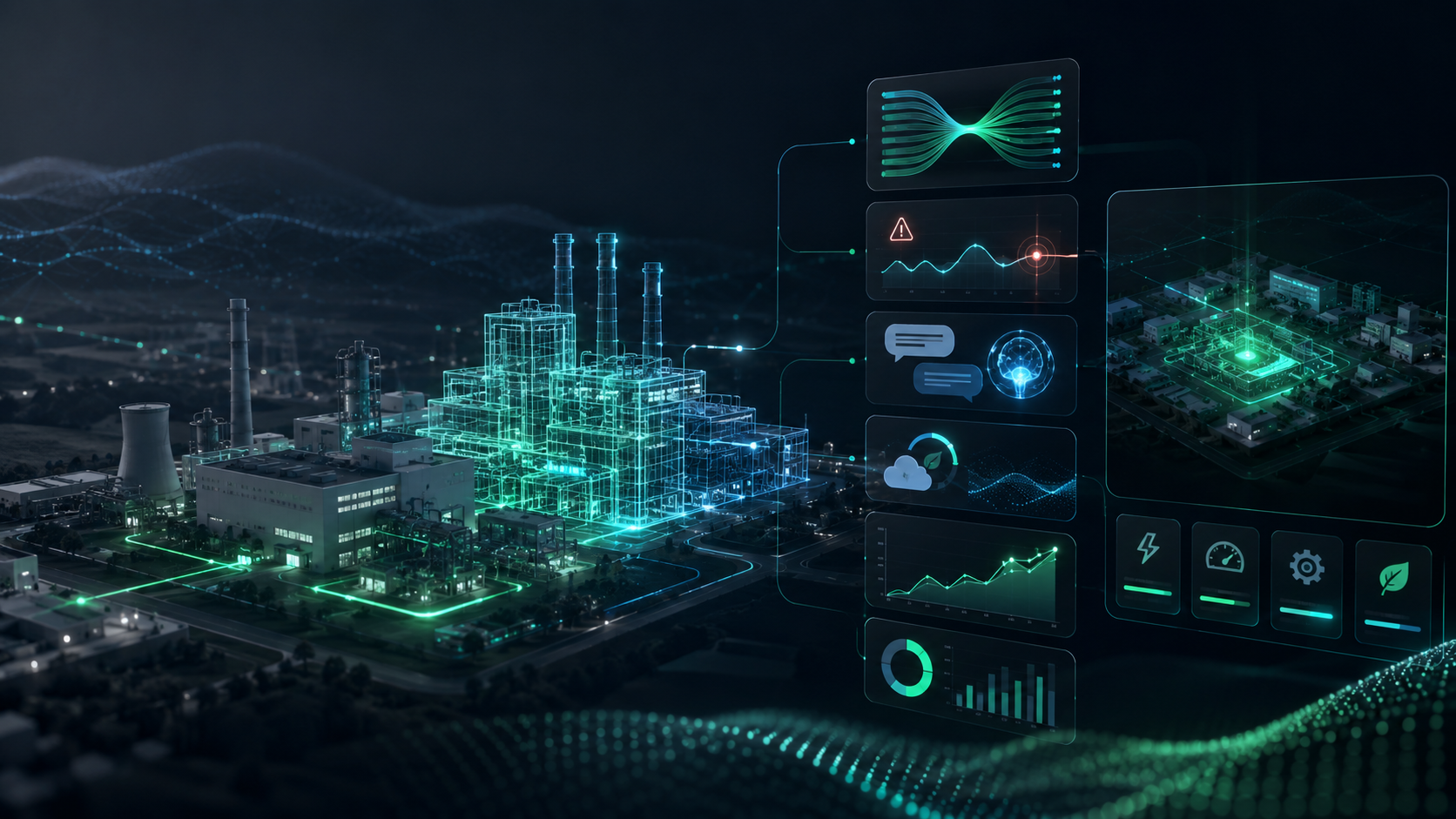
Intelligent system orchestration
Seamless cross-system collaboration and automated scenario control
Using real-time environmental data and operational logic, the system automatically activates optimized equipment control strategies. This transforms conventional reactive operation into fully automated, intelligent scenarios—reducing manual intervention while creating flexible, comfortable, and highly efficient environments for office buildings and commercial spaces.
Smart lighting system
Natural lighting is utilized
Occupancy detection
Cross-system contextual linkage
Sequential scheduling management
Smart air conditioning and fresh air systems
CO2 concentration is linked
Natural cooling is introduced
Minimum circulating airflow
Energy management
Gain complete visibility into energy flows and drive targeted decarbonization with data
Track electricity, water, HVAC, and other critical utility consumption through advanced analytics, dynamic load assessment, and performance optimization. Identify hidden inefficiencies, support ESG and net-zero targets, and maximize cost efficiency across commercial property operations.
Energy consumption flow is visualized
Demand forecasting and unloading
Carbon emission hotspot tracking
Separate district billing
Abnormal energy consumption alert
Facility management
Full asset lifecycle protection, proactive preventive maintenance
Create digital health records for building MEP systems and publuc facilities. Continuous condition monitoring and trend analysis enable early fault detection and proactive maintenance scheduling, extending equipment service life and ensuring reliable building operations.
Equipment health record
Preventive maintenance alerts
Digitalized agile dispatching
Visual patrol inspection
Data integration
Eliminate data silos and enable accurate, enterprise-wide decision-making
Integrate data from the Building Management System (BMS) and property management platforms. Transform large volumes of cross-system data into clear, transparent operational dashboards that support every scheduling and management decision.
Multi-source data integration
Cross-system protocol aggregation
Global battle situation dashboard
Historical trend analysis
Open architecture API
Smart lighting system
Natural lighting is utilized
Occupancy detection
Cross-system contextual linkage
Sequential scheduling management
Smart air conditioning and fresh air systems
CO2 concentration is linked
Natural cooling is introduced
Minimum circulating airflow
Energy consumption flow is visualized
Demand forecasting and unloading
Carbon emission hotspot tracking
Separate district billing
Abnormal energy consumption alert
Equipment health record
Preventive maintenance alerts
Digitalized agile dispatching
Visual patrol inspection
Multi-source data integration
Cross-system protocol aggregation
Global battle situation dashboard
Historical trend analysis
Open architecture API
APPLICATION

Recommended application scenarios

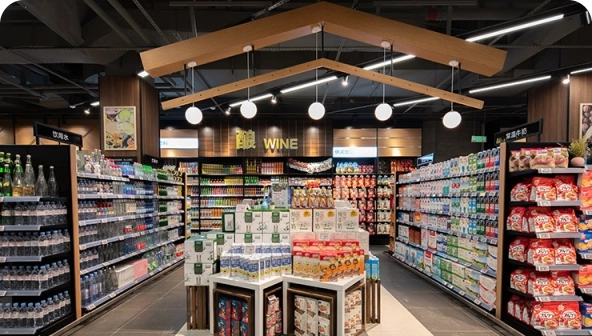
A transportation hub|Commercial complexes|Smart retail
A transportation hub
Commercial complexes
Smart retail
DELIVERY PROCESS

Professionalism and standardization, end-to-end delivery in five major stages

01
Design inspection phase
02
Platform setup phase
03
Project execution phase
04
System Adaptation Stage
05
Operational phase
Design inspection phase

D 0 ESG Preparatory Course
D 1 Sustainability Requirements Definition
D 2 Smart Systems Requirements Definition
D 3 Energy-Efficient MEP Planning and Design
D 4 Green Building Assessment and Design

Platform setup phase

P 0 System architecture analysis
P 1 FMCS Management Platform
P 2 TPMS management platform
P 3 BDCC management platform
P 4 Energy Management Platform
P 5 MEP subsystem intelligent control
P 6 Carbon Emission Management Platform

Project execution phase

E 0 Efficient equipment selection
E 1 Energy-Efficient Chiller Plant
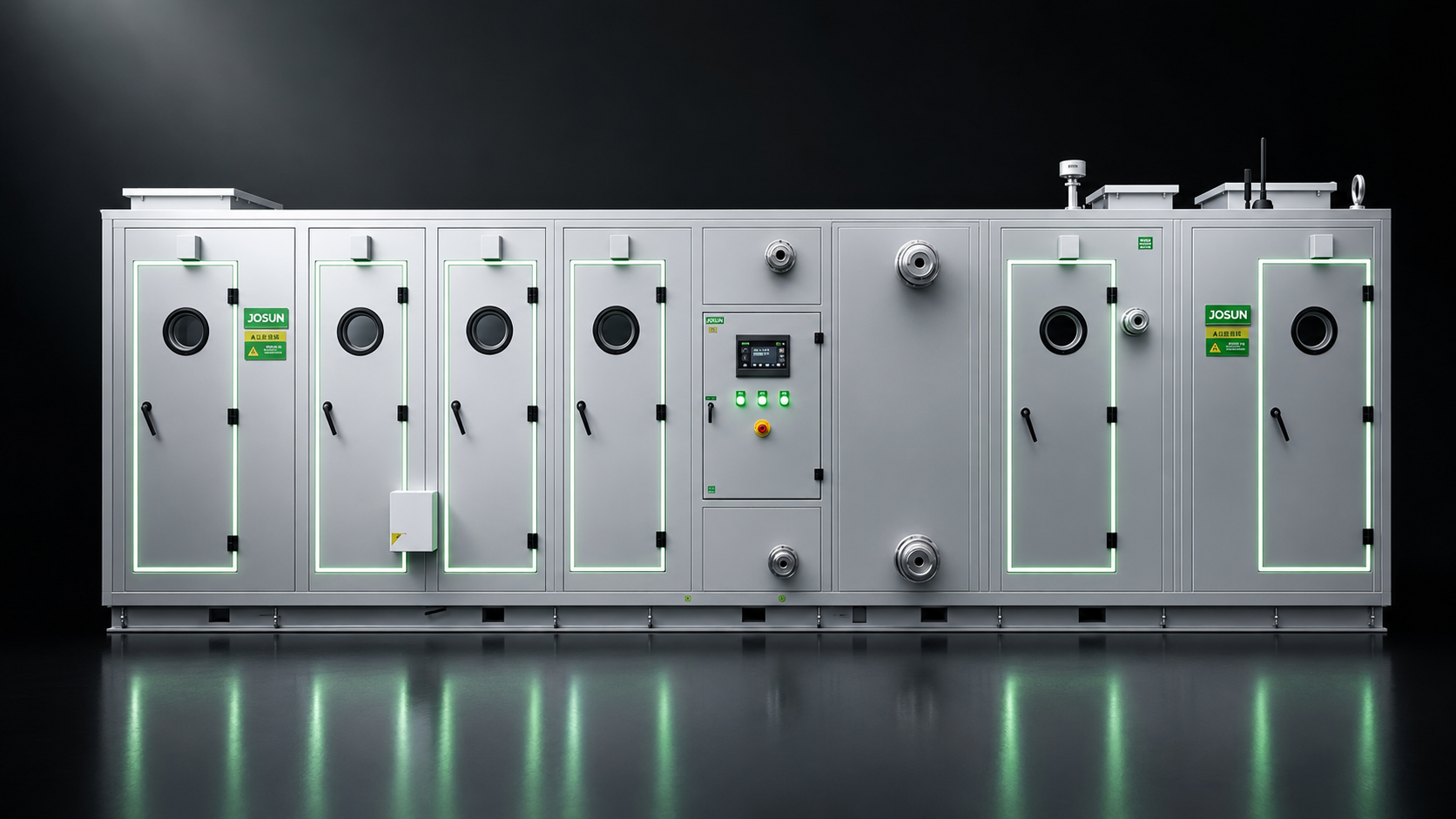
E 2 Smart Air Handling Unit (AHU)
E 3 Smart Lighting Control
E 4 5G smart factory

System Adaptation Stage

S 0 Building Performance Verification Cx
S 1 System equipment performance testing
S 2 HVAC system TAB
S 3 Introduction of system operation and maintenance strategies

Operational phase

O 0 ESG Talent Capability Building
O 1 Carbon Management Capability Training
O 2 Carbon Accounting Rules Training
O 3 Product-Line Carbon Footprint Analysis
O 4 Carbon Peaking and Carbon Neutrality Roadmap
O 5 Supply chain carbon reduction strategies
O 6 IFRS S2 Alignment Preparation
O 7 5-year ESG strategic planning
O 8 Energy consumption and carbon emission data analysis
O 9 Equipment energy-saving improvement assessment
O 10 Introduction of energy management system

Preferences
You can manage your cookie preferences here. Necessary cookies are used for the basic functions of the website and cannot be disabled. Other types of cookies are only enabled with your consent, and you may modify or withdraw your consent at any time.
Confirm