
















Energy flow tracking and KPI management can reduce overall electricity costs by approximately 5–10%.
HVAC energy optimization measures can deliver energy savings of approximately 10–25% across individual subsystems.
Centralized management and system optimization through the FMCS platform improve overall system energy performance.
How can new factories balance energy saving with management efficiency? Creating a new standard for data-driven smart factories
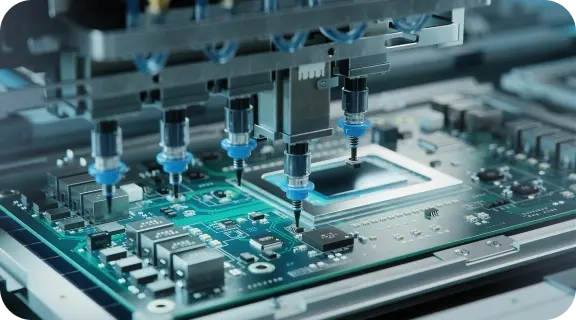
A high-tech electronics manufacturing base uses FMCS and smart energy-saving systems to build a data-driven smart factory
Electricity costs can be reduced by about 5–10%.
System energy efficiency can be improved by approximately 5–15%
Air conditioning system energy savings up to 25%
Electricity costs can be reduced by about 5–10%.
System energy efficiency can be improved by approximately 5–15%
Air conditioning system energy savings up to 25%


Southeast Asia, Thailand
Achievements and transformation
Financial Benefit (ROI)
About 5–15%
⚡ Operational and management improvements
Establish centralized factory operations monitoring and management capabilities
Enhance equipment operation stability and management transparency
Establish intelligent early warning and anomaly management capabilities
Enhance the coordinated operation efficiency of air conditioning, cooling towers, and exhaust systems
Establish a data-driven intelligent operations and maintenance model
Enhance equipment operation stability and management transparency
Establish intelligent early warning and anomaly management capabilities
Enhance the coordinated operation efficiency of air conditioning, cooling towers, and exhaust systems
Establish a data-driven intelligent operations and maintenance model
🌱 ESG and sustainable value
Establish a data foundation for energy and carbon management
Reduce factory energy consumption and carbon emission intensity
Support enterprises in overseas sustainable manufacturing layouts
Laying the foundation for future AI Agents and autonomous energy-saving control applications
Reduce factory energy consumption and carbon emission intensity
Support enterprises in overseas sustainable manufacturing layouts
Laying the foundation for future AI Agents and autonomous energy-saving control applications
Customer background
The company is a key member of the global electronic components supply chain, with products widely used in information equipment, communication products, and consumer electronics markets.
In response to global supply chain layout and capacity expansion needs, the company has established a brand-new production base in Southeast Asia, aiming to introduce smart factory management and energy-saving technologies from the factory construction stage, creating a new generation of smart factories that combine energy efficiency, equipment stability, and management transparency.
Facing future trends in smart manufacturing and sustainable development, companies look to enhance overall factory operational efficiency and decision-making capabilities through data-driven management models.
In response to global supply chain layout and capacity expansion needs, the company has established a brand-new production base in Southeast Asia, aiming to introduce smart factory management and energy-saving technologies from the factory construction stage, creating a new generation of smart factories that combine energy efficiency, equipment stability, and management transparency.
Facing future trends in smart manufacturing and sustainable development, companies look to enhance overall factory operational efficiency and decision-making capabilities through data-driven management models.
Challenges and pain points
New factories have numerous equipment systems and high management complexity
Air conditioning, cooling towers, exhaust systems, and energy equipment are highly interconnected. Without an integrated management platform, fragmented management and poor efficiency easily arise.
Lack of data-driven management mechanisms makes continuous optimization difficult
Equipment data is scattered across different systems, making it difficult for managers to quickly grasp operational status and energy-saving opportunities.
Stable production environments and energy-saving demands must be balanced simultaneously
High-tech electronics manufacturing has strict environmental requirements, and balancing stable equipment operation with energy efficiency is a key issue for factory operations.
JOSUN Sustainability Solutions
The integrated model of "Consulting + Platform + Engineering" achieves a transformation from decentralized management → data-driven → continuously optimizes energy-saving transformation


Visible: Energy Data Visualization and KPI Management (Energy Management)
Visible: Energy Data Visualization and KPI Management (Energy Management)
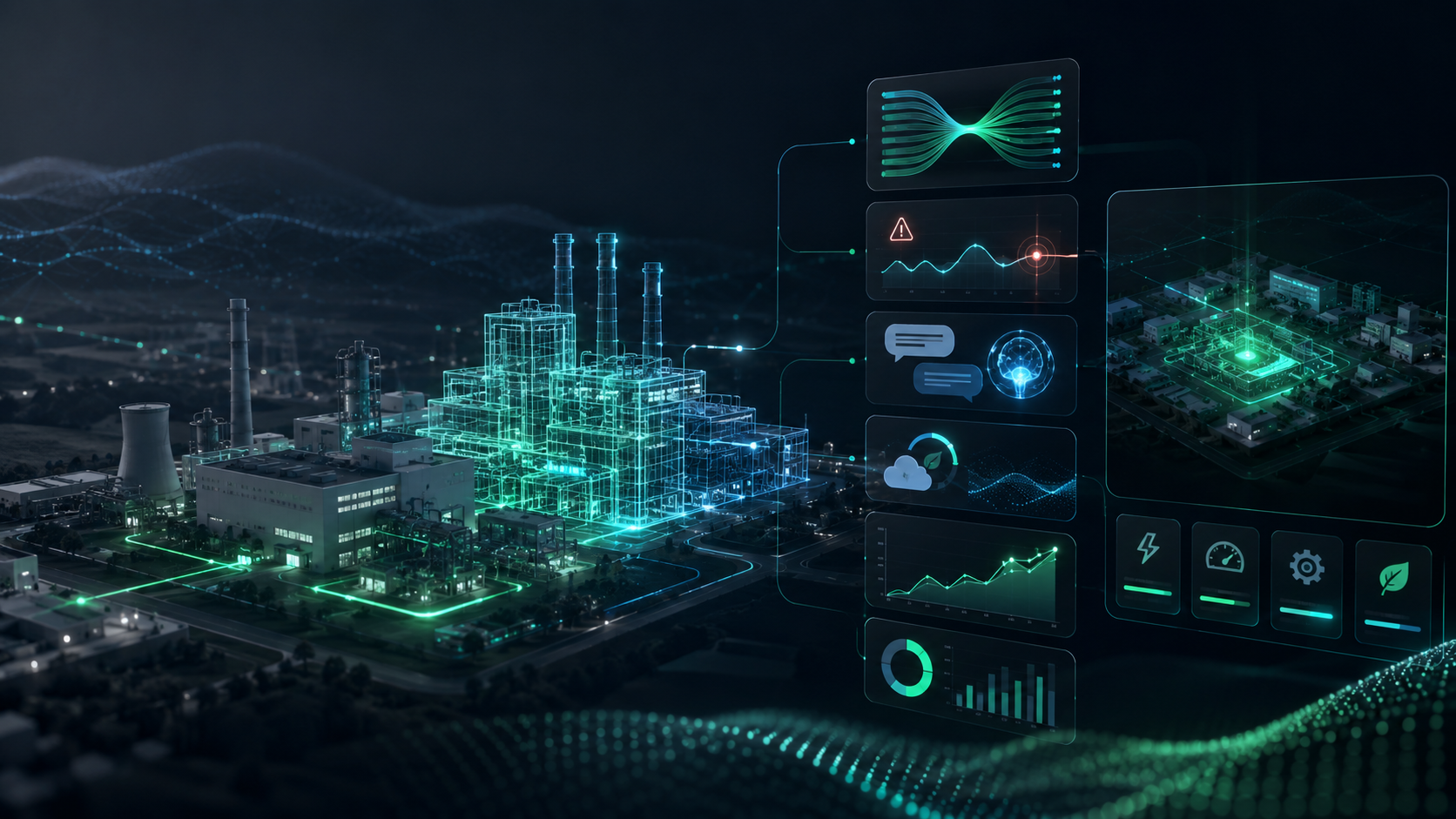
Through the energy management system, we establish mechanisms for energy flow analysis and KPI management, helping managers monitor the energy usage status and equipment operation efficiency of each system.
👉 Electricity costs can be reduced by about 5–10%.
👉 Electricity costs can be reduced by about 5–10%.
Guandezhun: FMCS Smart Factory Integration Platform (FMCS Management System)
Guandezhun: FMCS Smart Factory Integration Platform (FMCS Management System)
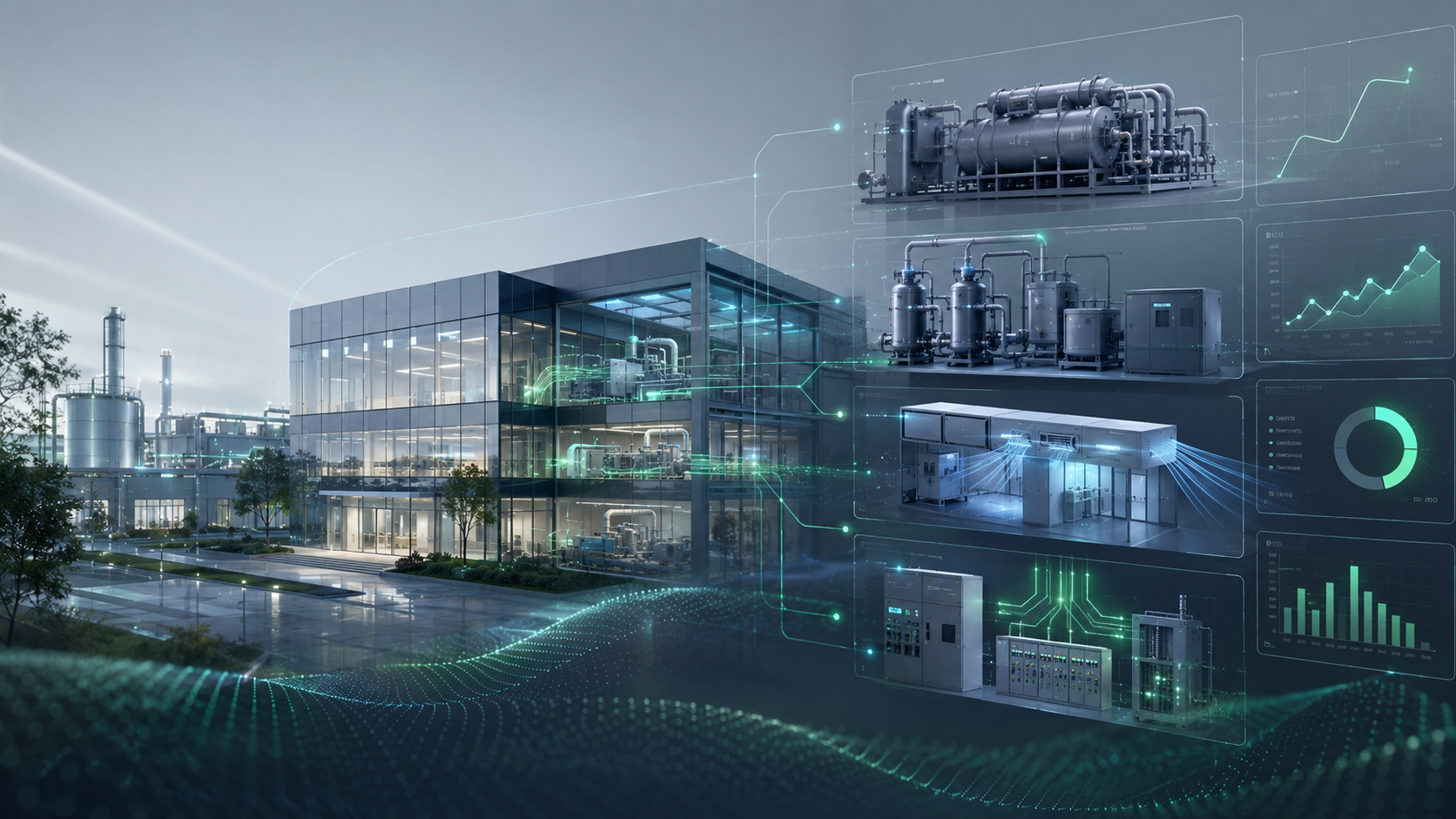
Introduced a one-stop FMCS plant management platform, integrating air conditioning, cooling water systems, exhaust equipment, and energy information, establishing centralized monitoring, data analysis, and equipment management capabilities.
Through platform analysis and system tuning mechanisms, we continuously improve equipment operational efficiency and management transparency.
👉 System energy efficiency can be improved by approximately 5–15%
Through platform analysis and system tuning mechanisms, we continuously improve equipment operational efficiency and management transparency.
👉 System energy efficiency can be improved by approximately 5–15%
Achieved: High-efficiency energy-saving systems and system CX verification (smart energy-saving solutions)
Achieved: High-efficiency energy-saving systems and system CX verification (smart energy-saving solutions)
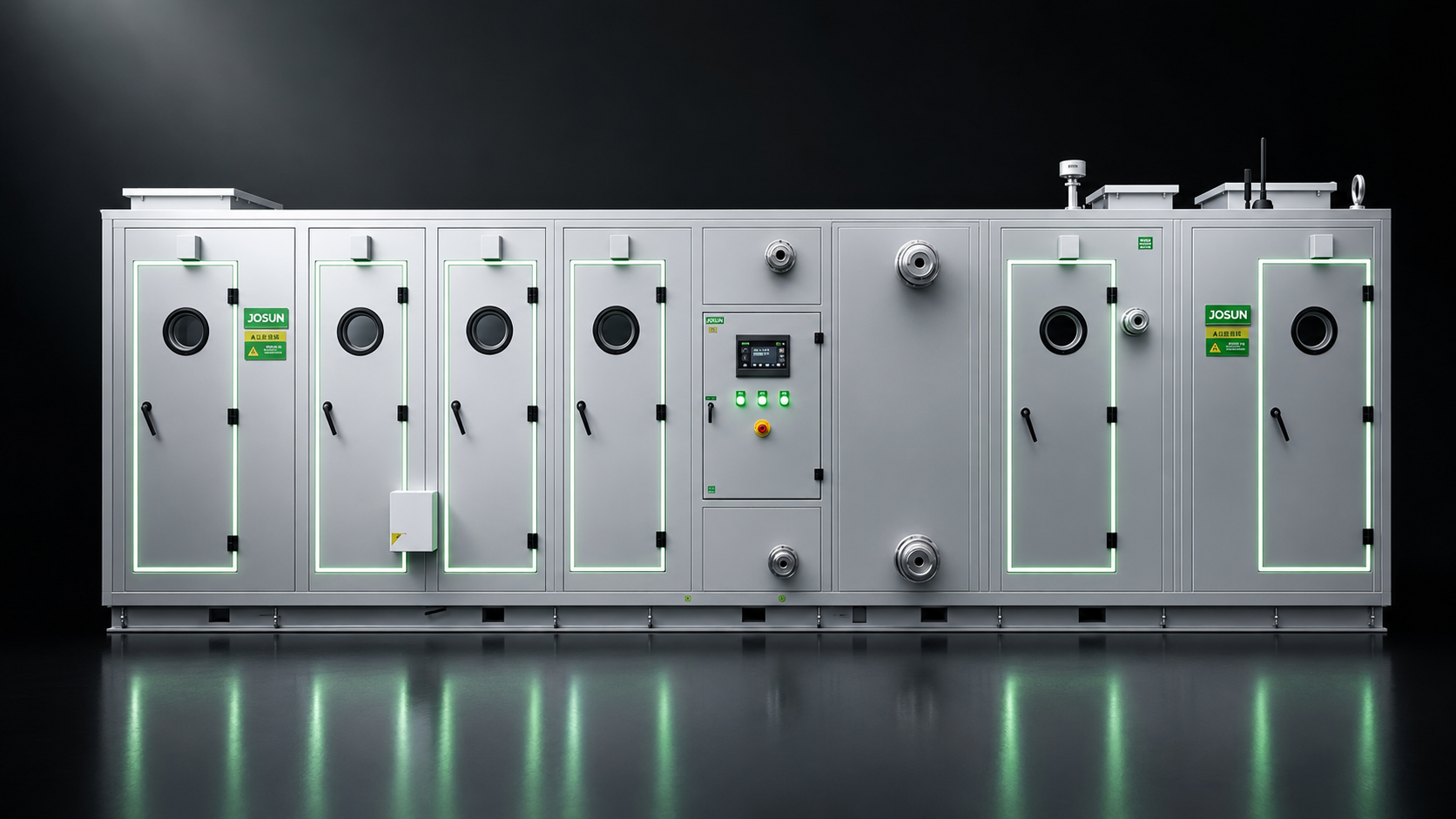
Introducing smart air handling unit (AHU)es, smart cooling towers, smart exhaust fans, and heat recovery systems, and using system Cx verification mechanisms to ensure equipment performance and control strategies meet design objectives.
From equipment selection and system tuning to operational verification, a complete energy-saving management framework is established.
👉 Each subsystem of the air conditioning system can improve energy savings by 10–25%.
From equipment selection and system tuning to operational verification, a complete energy-saving management framework is established.
👉 Each subsystem of the air conditioning system can improve energy savings by 10–25%.
APPLICATION
Why JOSUN
Deep expertise in high-tech electronics manufacturing environments
Understand the high demands of high-tech electronics manufacturing for equipment stability, energy efficiency, and control of production environments.
FMCS × intelligent energy optimization × smart O&M integration
From energy management to equipment optimization control, we assist enterprises in establishing a complete smart factory management architecture.
Build intelligent operational capabilities from the plant development stage
Through system CX verification and data management platforms, factories are equipped with continuous optimization capabilities from day one.


