















PRODUCTS

EMS energy management platform

The value energy management brings to customers

Features of the energy management platform

Energy consumption statistics
Display the company's total consumption of electricity, water, gas, heat, and other energy using unified energy units (such as KGCE).
Demand monitoring
Demand monitoring
Records the enterprise's electricity load and peak usage every 15 minutes, allowing users to view demand in each area of the enterprise.
Time-of-Use Monitoring
Provides electricity usage, consumption, and cost shares for each area by peak, shoulder, and off-peak period.
Energy performance
Energy performance
Evaluates energy performance and utilization across enterprises and facilities, helping managers benchmark efficiency, identify improvement opportunities, and track metrics such as energy use per unit of output, revenue, and floor area.
Instrument status monitoring
Real-time monitoring of the status of edge meters, water meters, and other instruments, as well as the number of devices under different conditions, and recording the time and value of the last upload at key points.

GHG inventory

Feature List - Organizational Carbon Management

Overview of carbon emissions
Organizational Carbon Management
Information management
System settings
Carbon emissions overview
Display core organizational carbon metrics in visual dashboards, with filters by organization and year and comparisons against the baseline year.
Enterprise dashboard
Display core organizational carbon metrics on a full-screen dashboard, with annual, quarterly, and monthly filters.
Carbon flow diagram
Carbon flow diagram
Visualize the flow of organizational GHG emissions using a carbon flow diagram.
Organize reports
Organize reports
View organizational emissions by source in report format. Data can be filtered by date, organization, GHG scope, and emission source type, with daily emissions available for each individual source.
Organizational boundary settings
Manage legal entities and organizational boundaries, filter data by company name or address, and view emissions data for each organization.
Emission source management
Manage emission sources across Scopes 1, 2, and 3, with filters by emission source type and organization. Configure source details, parameters, and calculation formulas, with support for attachment management and daily data reporting.
Reference data sources
Generate annual organizational carbon reports within the current legal entity boundary, with detailed viewing and download functions.
Data center
Data center
View uploaded attachments related to organizational carbon accounting and download multiple files in batches.
Domain settings
Domain settings
Configure global carbon accounting defaults and update them as standards or policies change.
Organize a carbon element library
Configure carbon accounting variables for use in emission source formulas and update them as standards or policies change.
Equipment management
Synchronize connected edge devices and view device information, assigned area, online status, and last data upload time.
Organizational unit management
Manage unit groups and units of measure for organizational carbon accounting, including default units and unit conversion factors.
Background information source
Background data source management for organizational carbon accounting
DELIVERY PROCESS

Professionalism and standardization, end-to-end delivery in five major stages

01
Design and planning stage
02
Platform setup phase
03
Project execution phase
04
System Adaptation Stage
05
Operational phase
Design and planning stage

D 0 ESG Preparatory Course
D 1 Sustainability Requirements Definition
D 2 Smart Systems Requirements Definition
D 3 Energy-Efficient MEP Planning and Design
D 4 Green Building Assessment and Design

Platform setup phase

P 0 System architecture analysis
P 1 FMCS Management Platform
P 2 TPMS management platform
P 3 BDCC management platform
P 4 Energy Management Platform
P 5 MEP subsystem intelligent control
P 6 Carbon Emission Management Platform

Project execution phase

E 0 Efficient equipment selection
E 1 Energy-Efficient Chiller Plant
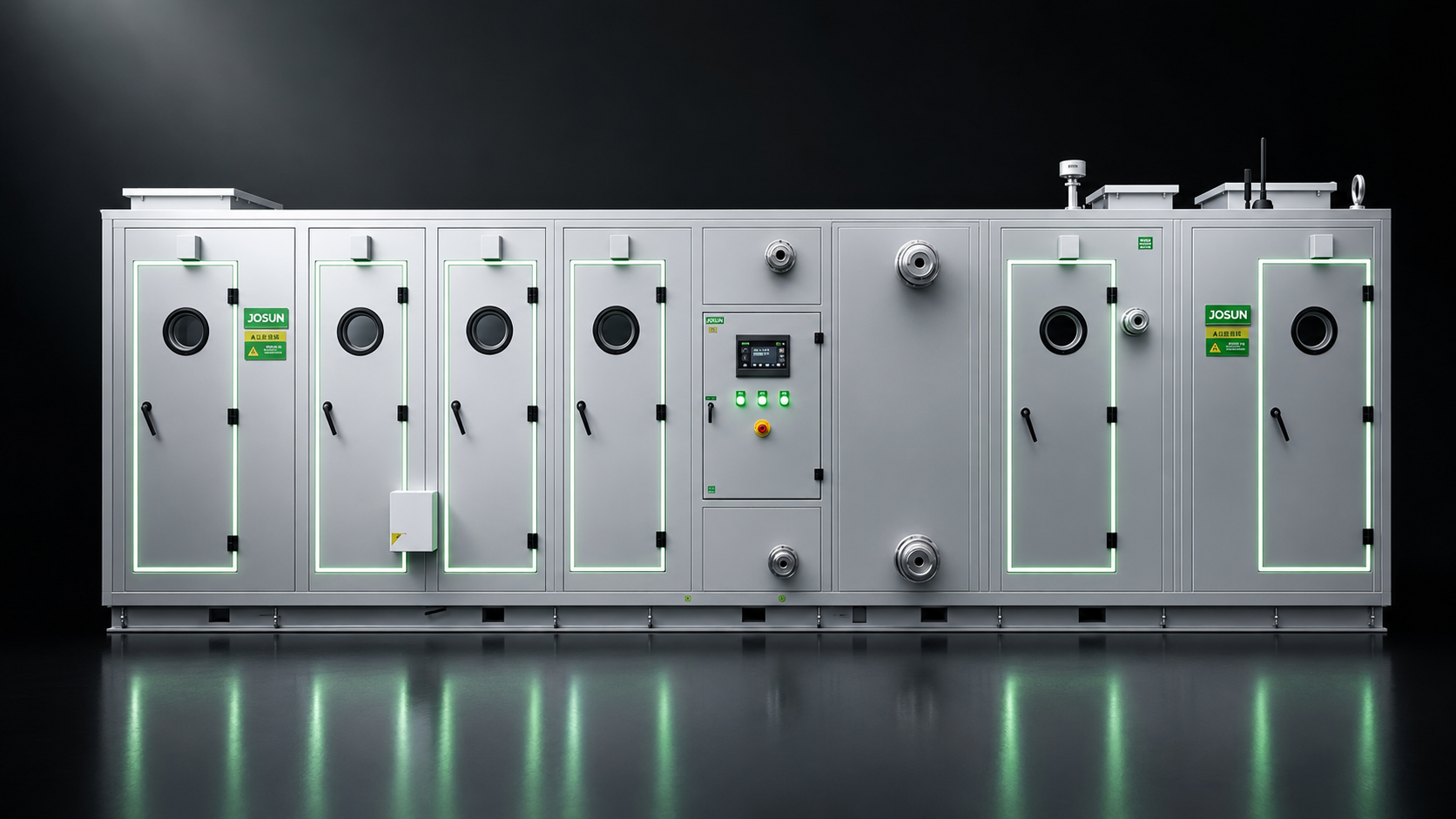
E 2 Smart Air Handling Unit (AHU)
E 3 Smart Lighting Control
E 4 5G smart factory

System Adaptation Stage

S 0 Building Performance Verification Cx
S 1 System equipment performance testing
S 2 HVAC system TAB
S 3 Introduction of system operation and maintenance strategies

Operational phase

O 0 ESG Talent Capability Building
O 1 Carbon Management Capability Training
O 2 Carbon Accounting Rules Training
O 3 Product-Line Carbon Footprint Analysis
O 4 Carbon Peaking and Carbon Neutrality Roadmap
O 5 Supply chain carbon reduction strategies
O 6 IFRS S2 Alignment Preparation
O 7 5-year ESG strategic planning
O 8 Energy consumption and carbon emission data analysis
O 9 Equipment energy-saving improvement assessment
O 10 Introduction of energy management system

APPLICATION

Recommended application scenarios

A transportation hub|Commercial complexes|Smart retail
A transportation hub
Commercial complexes
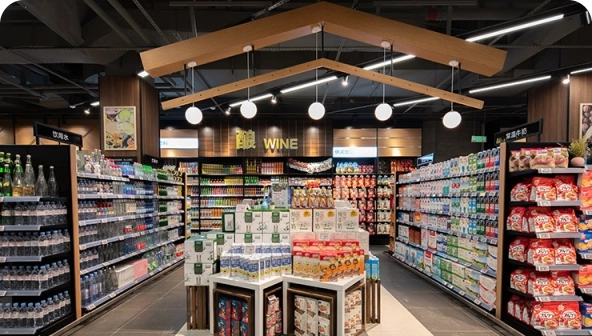
Smart retail
Preferences
You can manage your cookie preferences here. Necessary cookies are used for the basic functions of the website and cannot be disabled. Other types of cookies are only enabled with your consent, and you may modify or withdraw your consent at any time.
Confirm