















Energy flow tracking and KPI management can reduce overall electricity costs by approximately 5–10%.
HVAC energy optimization measures can deliver energy savings of approximately 10–20% across individual subsystems.
Centralized management and system optimization through the FMCS platform improve overall system energy performance.
With explosive demand for AI servers and automotive electronics, how can high-end capacitor factories stabilize energy consumption and yield?
An international leading passive component manufacturer partnered with JOSUN to build an intelligent FMCS platform to enhance energy efficiency and operation and maintenance capabilities of new factories
Electricity costs can be reduced by about 5–10%.
System energy efficiency can be improved by approximately 5–13%
Optimizing air conditioning systems can improve energy savings by 10–20%.
Electricity costs can be reduced by about 5–10%.
System energy efficiency can be improved by approximately 5–13%
Optimizing air conditioning systems can improve energy savings by 10–20%.
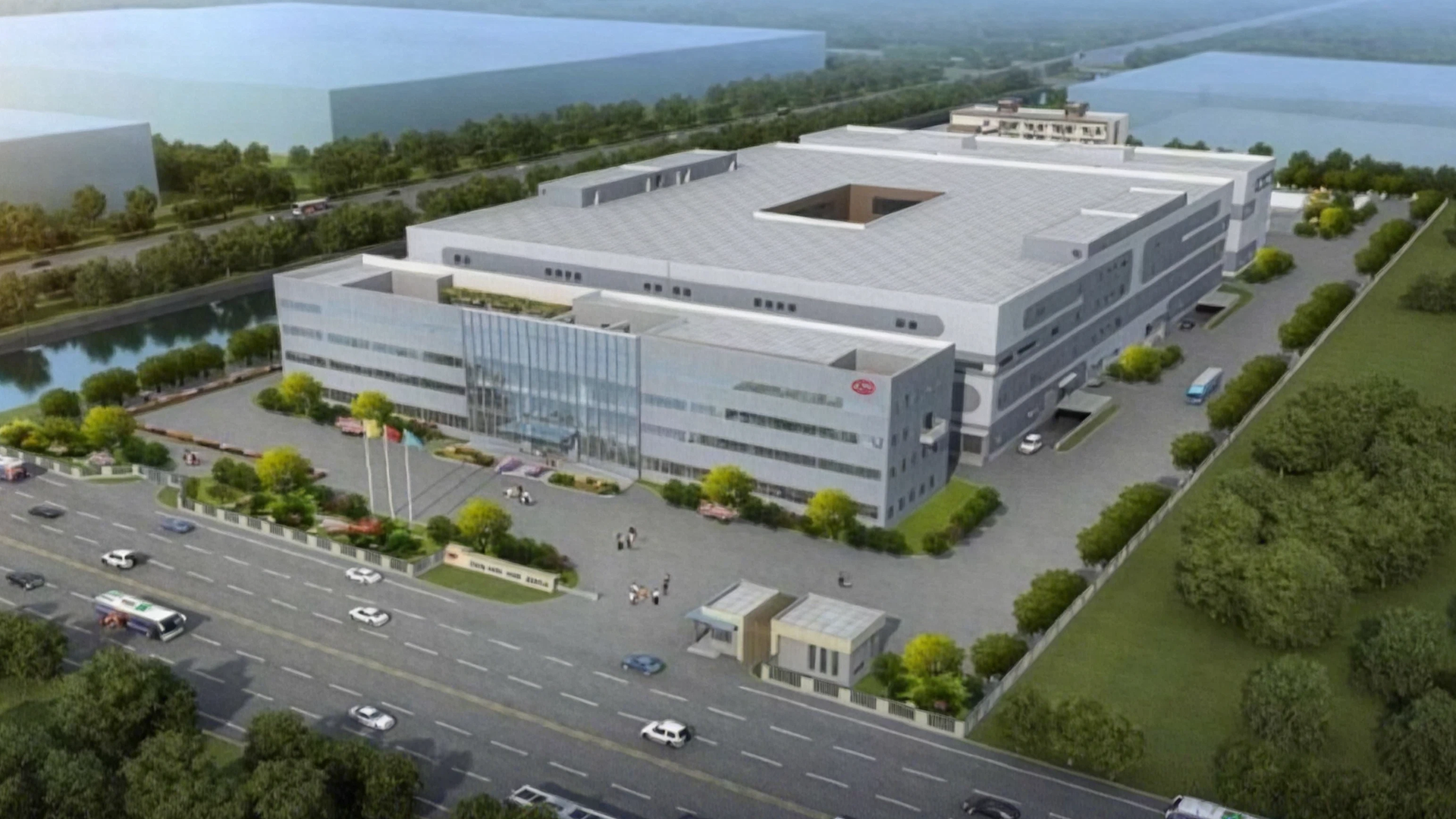

Suzhou, mainland China
Achievements and transformation
💰 Financial Benefit (ROI)
About 5–13%
⚡ Operations and energy efficiency improvement
Enhance the operational efficiency and management transparency of smart factory management systems
Enhance the ability to adapt air conditioning, dehumidification, and high-energy-consuming equipment operationally
Enhances the stability of high-reliability process environments and equipment operational efficiency
Enhance the ability to adapt air conditioning, dehumidification, and high-energy-consuming equipment operationally
Enhances the stability of high-reliability process environments and equipment operational efficiency
🌱 ESG and smart management value
Establish a data foundation for energy and carbon management
Supporting ESG and traceability needs in automotive electronics and AI supply chains
Laying the foundation for future smart factories and AI energy management capabilities
Supporting ESG and traceability needs in automotive electronics and AI supply chains
Laying the foundation for future smart factories and AI energy management capabilities
Customer background
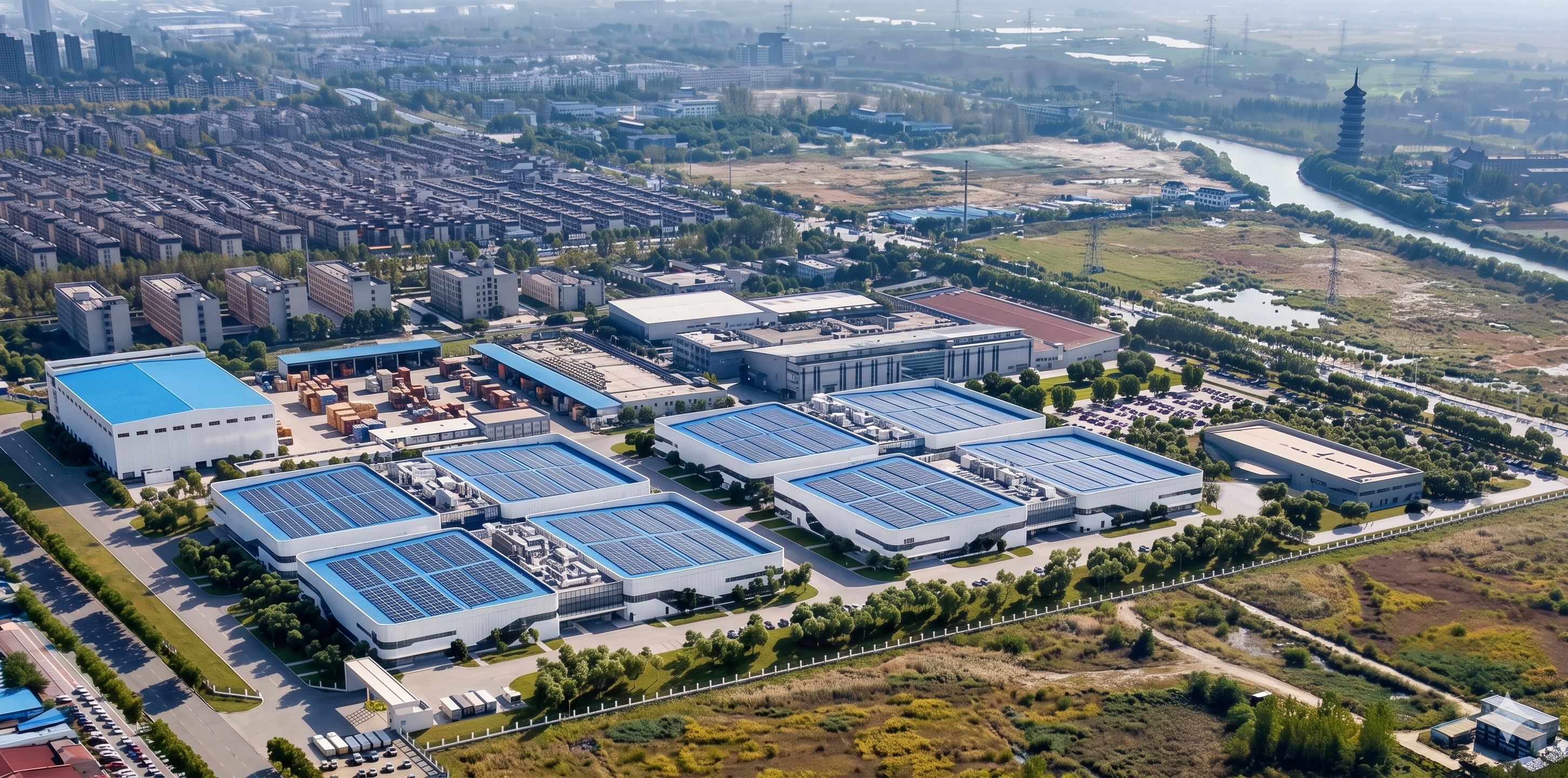
This company serves as a key manufacturing base for a major Taiwanese passive component manufacturer in China, mainly producing high-end aluminum electrolytic capacitors. Its product applications cover automotive electronics, industrial equipment, AI servers, cloud power supplies, and high-performance power management markets.
The new Suzhou factory serves as the group's important high-end capacity base in China, with an annual capacity of 4.44 billion capacitors, and has introduced intelligent and digital manufacturing systems.
With the rapid growth in demand for AI servers, 48V power architectures, and new energy vehicles, the demand for highly reliable, high-voltage, and long-life capacitor products continues to rise, and energy and plant management capabilities are gradually becoming part of supply chain competitiveness.
The new Suzhou factory serves as the group's important high-end capacity base in China, with an annual capacity of 4.44 billion capacitors, and has introduced intelligent and digital manufacturing systems.
With the rapid growth in demand for AI servers, 48V power architectures, and new energy vehicles, the demand for highly reliable, high-voltage, and long-life capacitor products continues to rise, and energy and plant management capabilities are gradually becoming part of supply chain competitiveness.
Challenges and pain points
High-end capacitors have high energy consumption and are difficult to compress
Etching, formation, aging testing, and automated equipment require long-term stable operation; process conditions directly affect product performance and lifespan, so energy saving does not come at the expense of reliability.
Automotive and AI customers are raising their ESG and traceability requirements
In addition to demanding specifications and quality, customers of automotive electronics and AI servers are also gradually raising supply chain ESG, carbon management, and data traceability requirements.
Smart factories and high automation bring high baseload electricity consumption
The new factory introduces intelligent, automated, and digital manufacturing, which improves efficiency but also increases the long-term baseload power demand for air conditioning, dehumidification, air compression, and smart systems.
JOSUN Sustainability Solutions
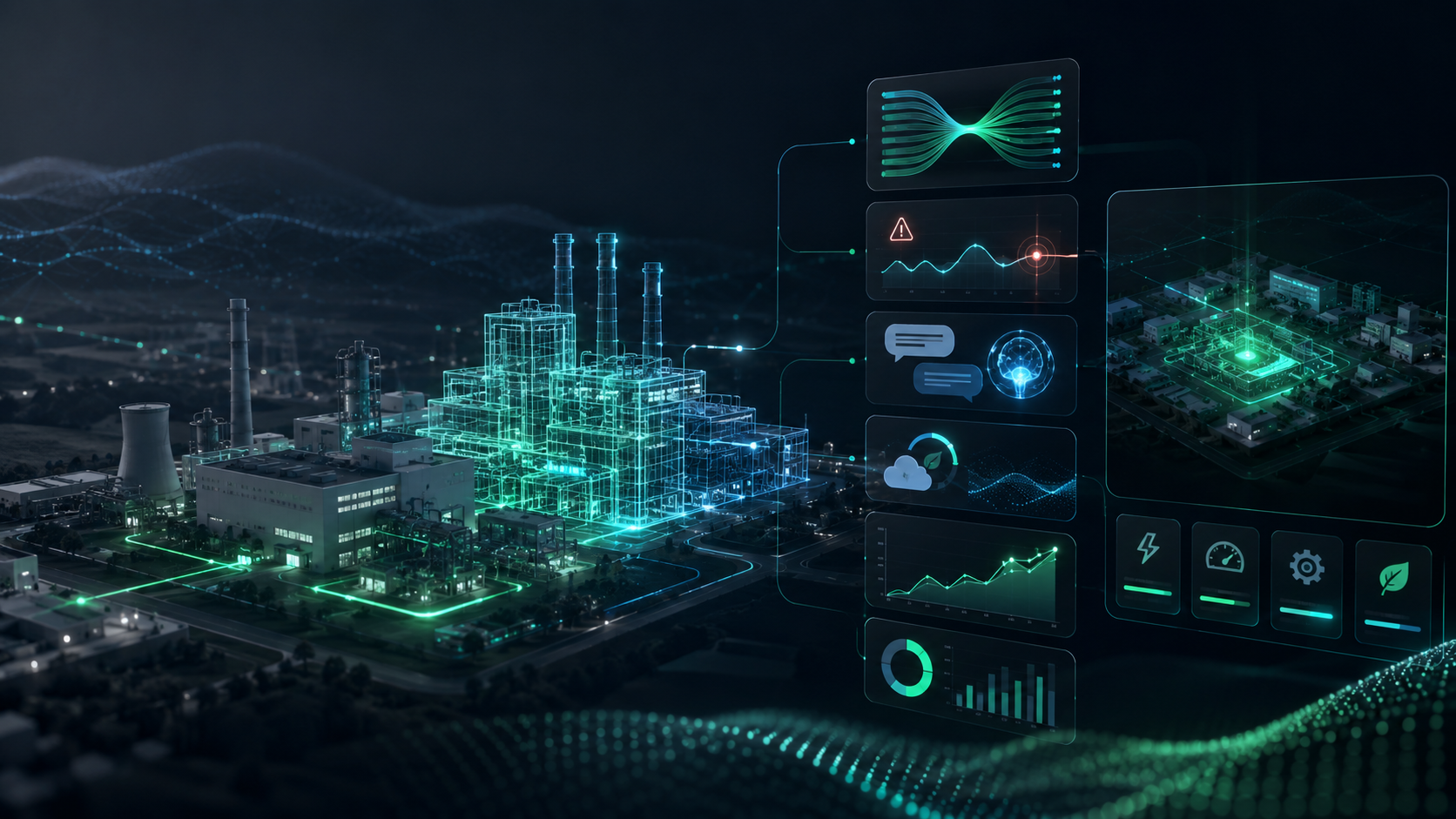
The integrated model of "Consulting + Platform + Engineering" achieves a transformation from decentralized management → data-driven → continuously optimizes energy-saving transformation


Visible: Energy Data Inventory and KPI Management Establishment (Energy Management)
Visible: Energy Data Inventory and KPI Management Establishment (Energy Management)
Conduct energy inventory and flow direction analysis for etching, chemical formation, aging testing, air compressor, and plant operations, establish an energy KPI management mechanism, and assist managers in understanding energy usage status across different equipment, regions, and time periods.
👉 Electricity costs can be reduced by about 5–10%.
👉 Electricity costs can be reduced by about 5–10%.
Managing Control: Centralized Factory Management and FMCS Integration (FMCS Management System)
Managing Control: Centralized Factory Management and FMCS Integration (FMCS Management System)
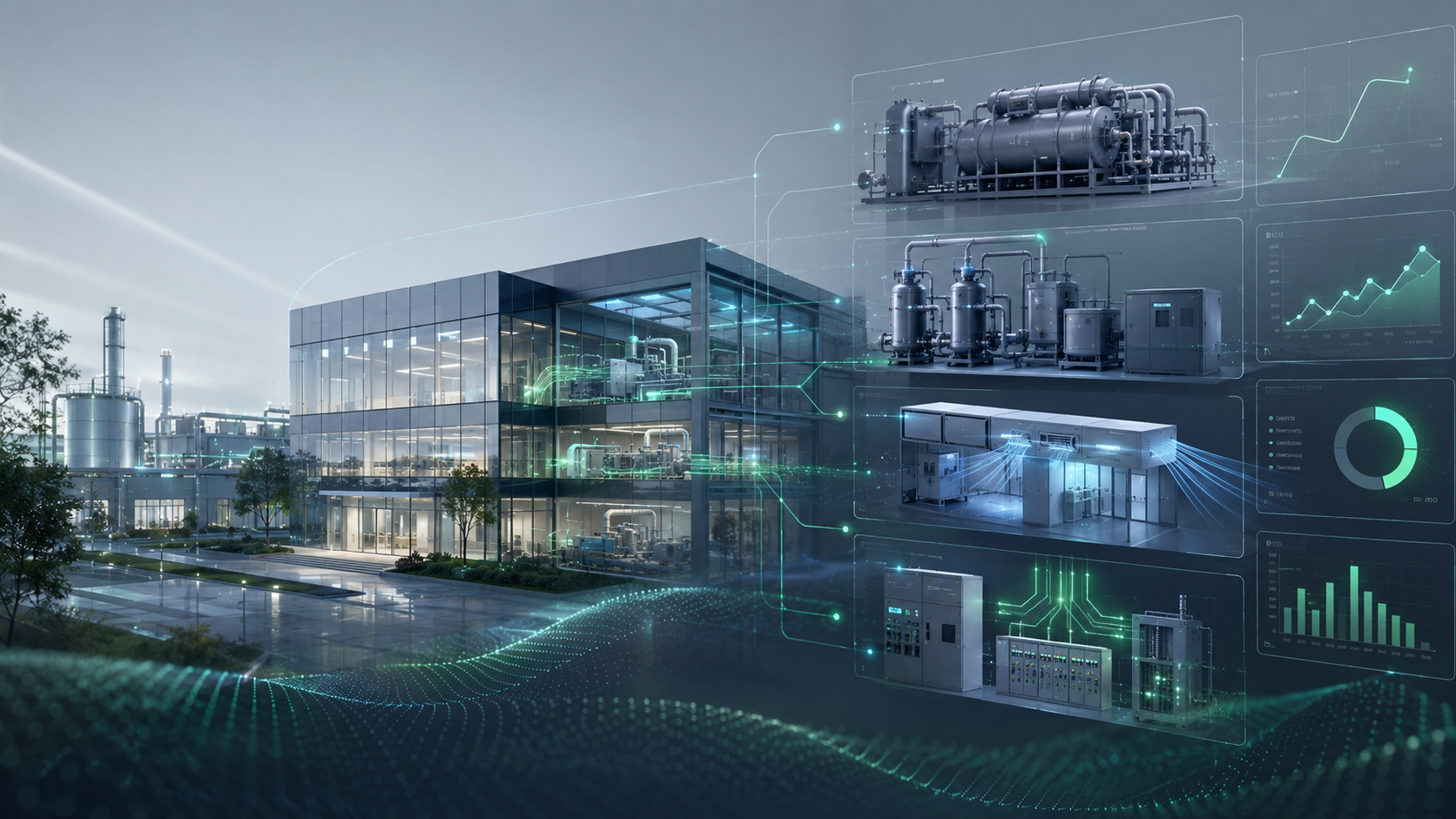
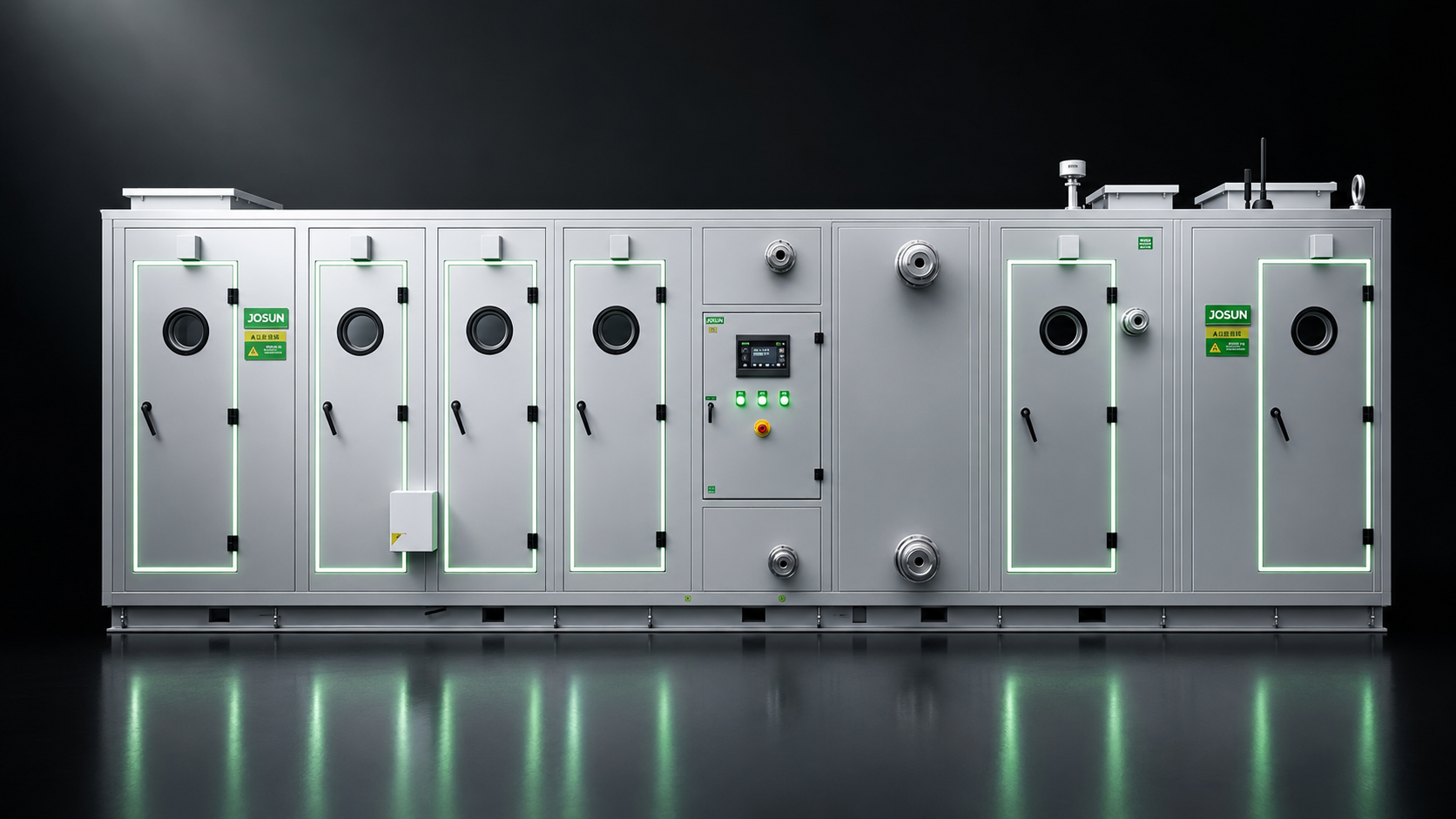
Introduced a one-stop FMCS plant management platform, integrating air conditioning, dehumidification, air compressor, and utility systems. Through centralized management, control, and optimization platforms, it enhances overall operation and maintenance efficiency and equipment management capabilities.
Simultaneously establishing security monitoring and anomaly detection and early warning mechanisms to improve smart factory management efficiency and system stability.
👉 System energy efficiency can be improved by approximately 5–13%
Simultaneously establishing security monitoring and anomaly detection and early warning mechanisms to improve smart factory management efficiency and system stability.
👉 System energy efficiency can be improved by approximately 5–13%
Achieved: Energy Saving and Smart Control Optimization of Air Conditioning Systems (Air Conditioning Energy Saving Solutions)
Achieved: Energy Saving and Smart Control Optimization of Air Conditioning Systems (Air Conditioning Energy Saving Solutions)
Implement energy optimization solutions for high-consumption HVAC and dehumidification systems, including system design, equipment selection, and intelligent control optimization. Subsystem sequencing and operational optimization improve overall HVAC performance.
👉 Each subsystem can achieve approximately 10–20% energy savings.
👉 Each subsystem can achieve approximately 10–20% energy savings.
APPLICATION
Why JOSUN
End-to-end delivery capabilities:
One of the few teams in the industry capable of delivering "MEP implementation + consulting diagnostics + software platform" in one place, providing one-stop integration and bridging the technical gap between software and hardware.
Extensive plant facilities engineering experience:
We are not only familiar with factory equipment and process logic but also a strategic partner with factory operation logic, ensuring that energy-saving solutions "do not affect production stability."
Ongoing enablement framework:
What we offer is not a one-off project, but a continuous adjustment and optimization mechanism based on data analysis, ensuring that energy-saving results are maintained over the long term and upgraded as policies evolve.


