

















After establishing an energy flow and KPI management mechanism, overall electricity costs can be reduced by about 5–10%.
After implementing the air conditioning system energy-saving solution, each subsystem can improve energy efficiency by about 10–20%.
Through centralized management and system optimization on the FMCS platform, overall system energy efficiency is improved
Amid the wave of new energy vehicles and chassis upgrades, how can auto parts factories stabilize energy consumption and yield?
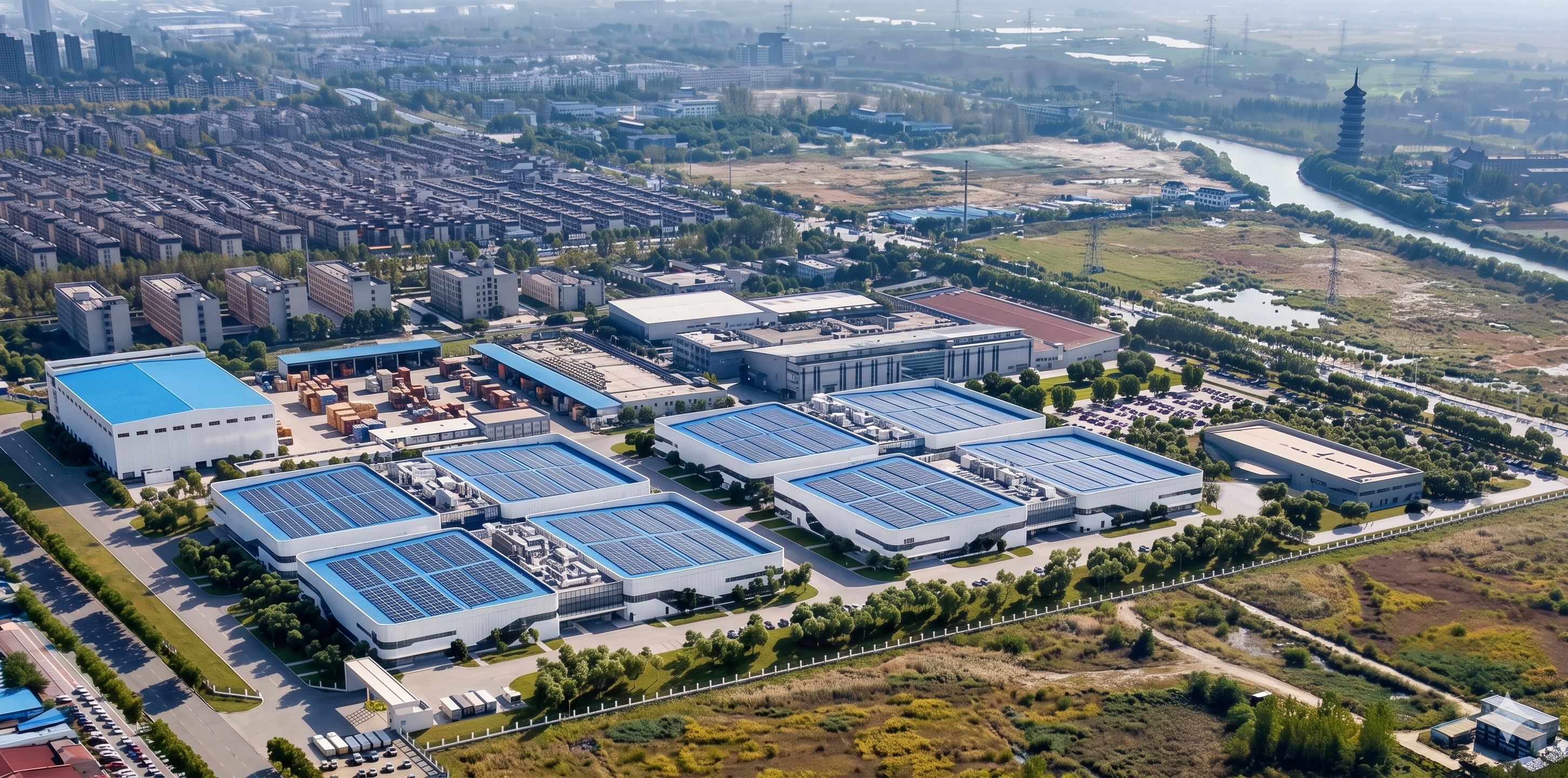
An international automotive shock absorber parts manufacturer partnered with JOSUN to build an intelligent FMCS platform to enhance energy efficiency and operation and maintenance capabilities of new plants
Electricity costs can be reduced by about 5–10%.
System energy efficiency can be improved by approximately 5–13%
Optimizing air conditioning systems can improve energy savings by 10–20%.
Electricity costs can be reduced by about 5–10%.
System energy efficiency can be improved by approximately 5–13%
Optimizing air conditioning systems can improve energy savings by 10–20%.


Suzhou, mainland China
Achievements and transformation
💰 Financial and operational value
About 5–13%
⚡ Operations and energy efficiency improvement
Establish an integrated FMCS facility management platform to improve centralized cross-system management and O&M efficiency.
Apply platform analytics and operational optimization to enhance the coordination of HVAC, utility equipment, and facility systems.
Improve equipment reliability and energy efficiency in high-load manufacturing environments.
Apply platform analytics and operational optimization to enhance the coordination of HVAC, utility equipment, and facility systems.
Improve equipment reliability and energy efficiency in high-load manufacturing environments.
🌱 ESG and smart management value
Establish a traceable and analyzable energy data foundation to support supply chain ESG and carbon management needs
Strengthen energy transparency and management capabilities for high-energy-consuming processes
Laying the foundation for future smart factories, AI energy management, and predictive maintenance applications
Strengthen energy transparency and management capabilities for high-energy-consuming processes
Laying the foundation for future smart factories, AI energy management, and predictive maintenance applications
Customer background
This company is an important manufacturing base for an international automotive parts group in China, mainly producing special rubber parts, shock absorbers, and chassis damping components for automobiles, serving automakers and Tier 1 suppliers. The Suzhou base is located in the core region of the Yangtze River Delta automotive supply chain, featuring local development, rapid delivery, and customer collaboration capabilities, while continuously expanding new production capacity. With the rise in new energy vehicles, platform-based chassis, and comfort demands, the automotive supply chain no longer focuses solely on cost but places greater emphasis on stable quality, delivery efficiency, and green manufacturing capabilities.
Challenges and pain points
The vulcanization and molding processes operate for long periods, making energy management highly complex
Rubber vulcanization, injection molding, metal processing, and testing equipment require long-term stable operation, with energy consumption not concentrated in a single piece of equipment but distributed across the entire production line and factory system.
Energy saving does not come at the expense of product reliability and yield
Automotive shock absorbers and NVH components require high standards for temperature, pressure, and process stability. Unstable control can easily affect durability and quality consistency.
ESG and supply chain carbon management requirements continue to rise
Large automotive clients are increasingly demanding supply chains provide energy, carbon emissions, and ESG-related information, and parts factories must establish more comprehensive energy data and environmental management capabilities.
JOSUN Sustainability Solutions
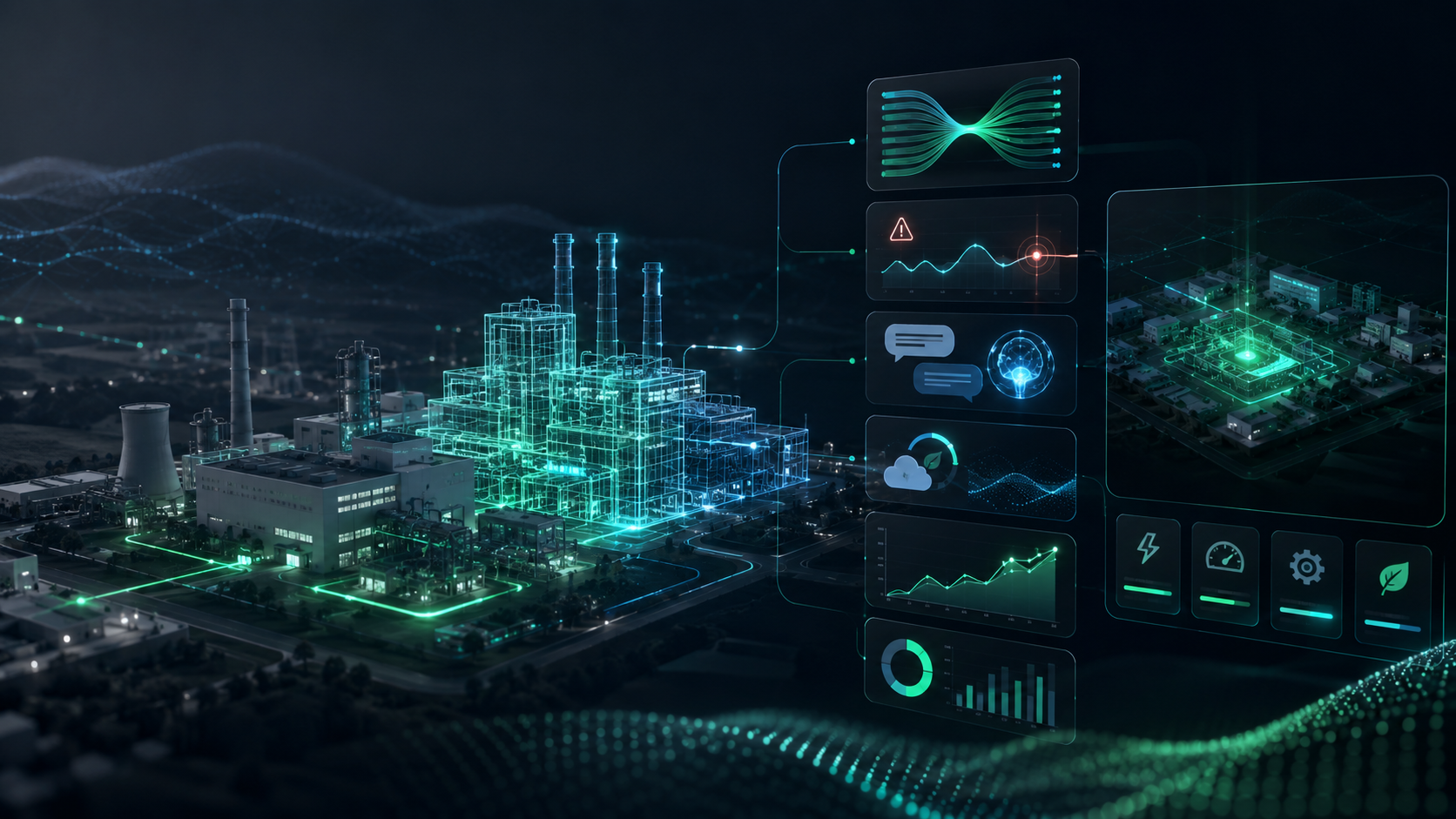
The integrated model of "Consulting + Platform + Engineering" achieves a transformation from decentralized management → data-driven → continuously optimizes energy-saving transformation


Visible: Energy Data Inventory and KPI Management Establishment (Energy Management)
Visible: Energy Data Inventory and KPI Management Establishment (Energy Management)
Conduct energy inventory and flow direction analysis for vulcanization, forming, air compression, exhaust, and air conditioning systems, establish an energy KPI management mechanism, and assist managers in understanding energy usage across different equipment, regions, and time periods.
👉 Electricity costs can be reduced by about 5–10%.
👉 Electricity costs can be reduced by about 5–10%.
Managing Control: Centralized Factory Management and FMCS Integration (FMCS Management System)
Managing Control: Centralized Factory Management and FMCS Integration (FMCS Management System)
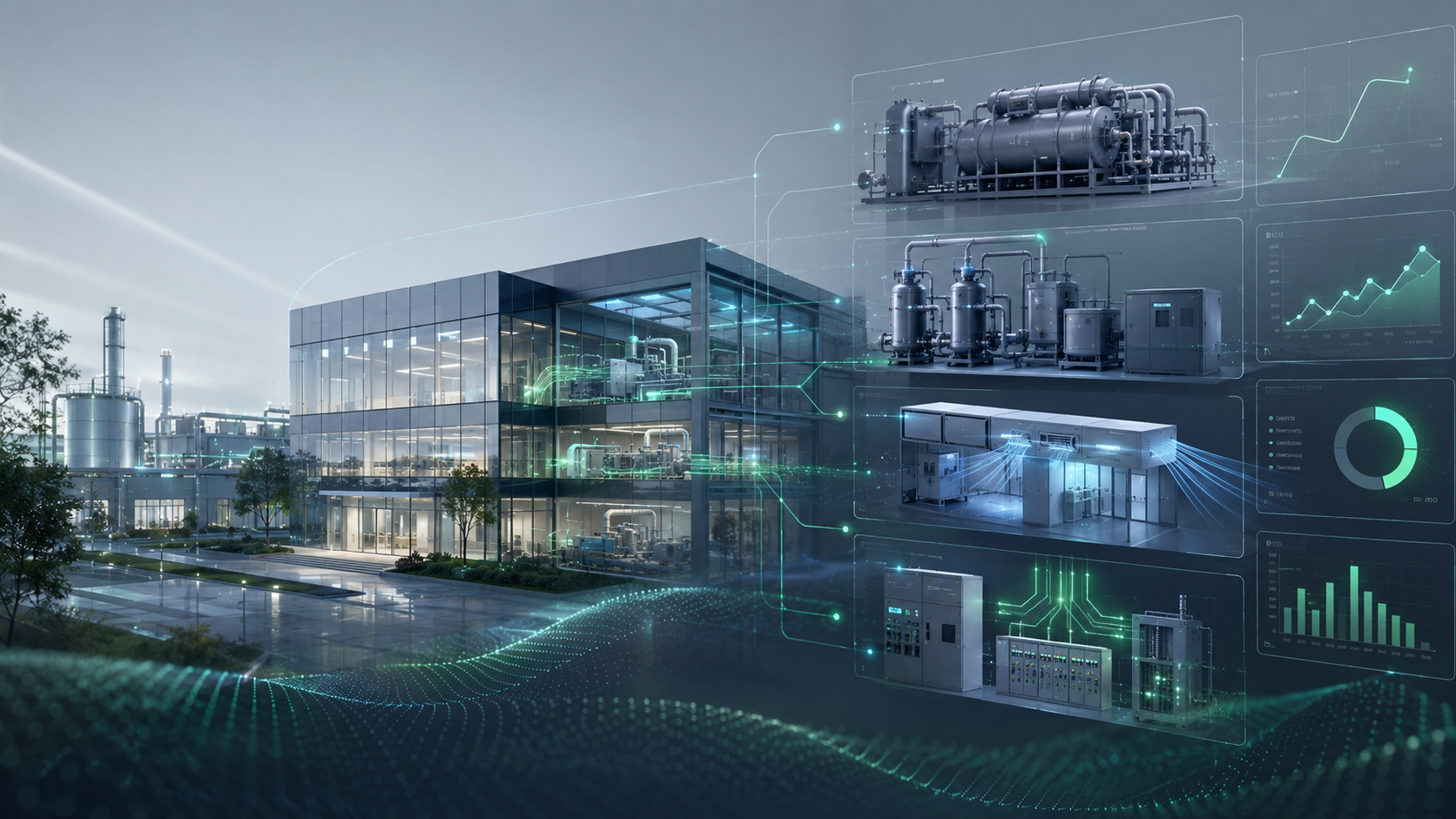
Introduced a one-stop FMCS facility management platform integrating air conditioning, air compressor, exhaust, and utility systems. Through centralized management, control, and optimization platforms, it enhances overall operation and maintenance efficiency and equipment management capabilities.
👉 System energy efficiency can be improved by approximately 5–13%
👉 System energy efficiency can be improved by approximately 5–13%
Achieved: Energy Saving and Smart Control Optimization of Air Conditioning Systems (Air Conditioning Energy Saving Solutions)
Achieved: Energy Saving and Smart Control Optimization of Air Conditioning Systems (Air Conditioning Energy Saving Solutions)
Introducing energy-saving solutions for high energy-consuming air conditioning systems, including system design, equipment selection, and intelligent control optimization, improving overall air conditioning efficiency through adjustment and operation optimization of different subsystems.
👉 Each subsystem can improve energy savings by 10–20%.
👉 Each subsystem can improve energy savings by 10–20%.
APPLICATION
Why JOSUN
End-to-end delivery capabilities:
One of the few teams in the industry capable of delivering "MEP implementation + consulting diagnostics + software platform" in one place, providing one-stop integration and bridging the technical gap between software and hardware.
Extensive plant facilities engineering experience:
We are not only familiar with factory equipment and process logic but also a strategic partner with factory operation logic, ensuring that energy-saving solutions "do not affect production stability."
Ongoing enablement framework:
What we offer is not a one-off project, but a continuous adjustment and optimization mechanism based on data analysis, ensuring that energy-saving results are maintained over the long term and upgraded as policies evolve.


