
















Enhance the efficiency and transparency of energy management in commercial office spaces
Enhance smart lighting and curtain control capabilities in public areas
Reduces the burden of manual management and equipment adjustment
With the surge in demand for AI servers and high-power power supplies, how can power supply chain factories reduce energy consumption and stabilize production capacity?
A major international power supply chain company partners with JOSUN to build an intelligent FMCS platform, improving system energy efficiency by up to 15%
Electricity costs can be reduced by about 5–10%.
System energy efficiency can be improved by approximately 5–15%
Optimizing air conditioning systems can improve energy savings by 10–25%.
Electricity costs can be reduced by about 5–10%.
System energy efficiency can be improved by approximately 5–15%
Optimizing air conditioning systems can improve energy savings by 10–25%.
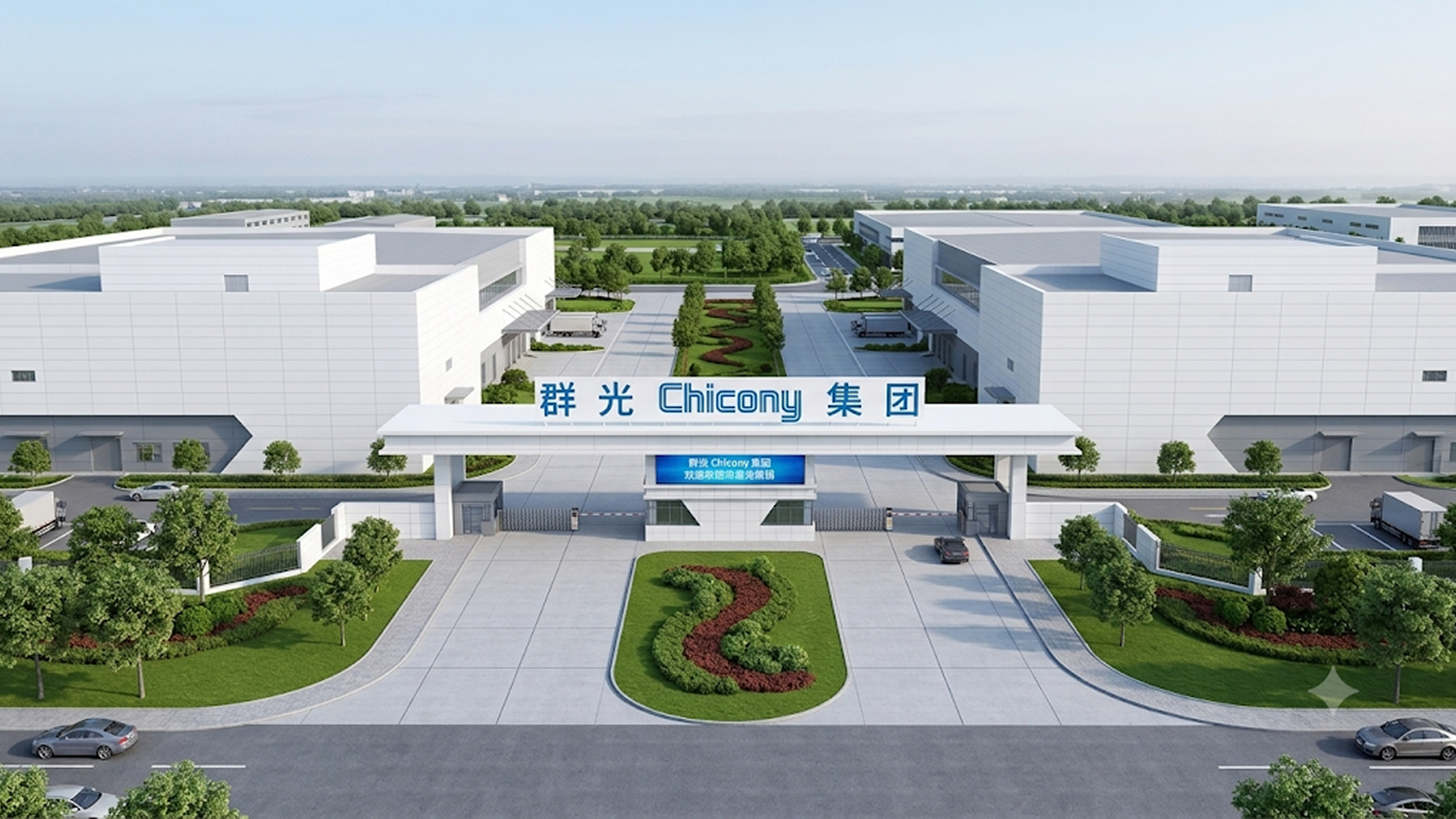

Chongqing, mainland China
Achievements and transformation
💰 Operational and management value
⚡ Commercial space and comfort are enhanced
Enhance natural lighting and comfort in office spaces
Enhance the operational efficiency of air conditioning, lighting, and public equipment
Establish centralized energy management and intelligent control mechanisms
Enhance the operational efficiency of air conditioning, lighting, and public equipment
Establish centralized energy management and intelligent control mechanisms
🌱ESG and the value of smart buildings
Establish a foundation for smart commercial and office energy management
Supporting green building and sustainable operational needs
Laying the foundation for future smart buildings and AI energy management applications
Supporting green building and sustainable operational needs
Laying the foundation for future smart buildings and AI energy management applications
Customer background
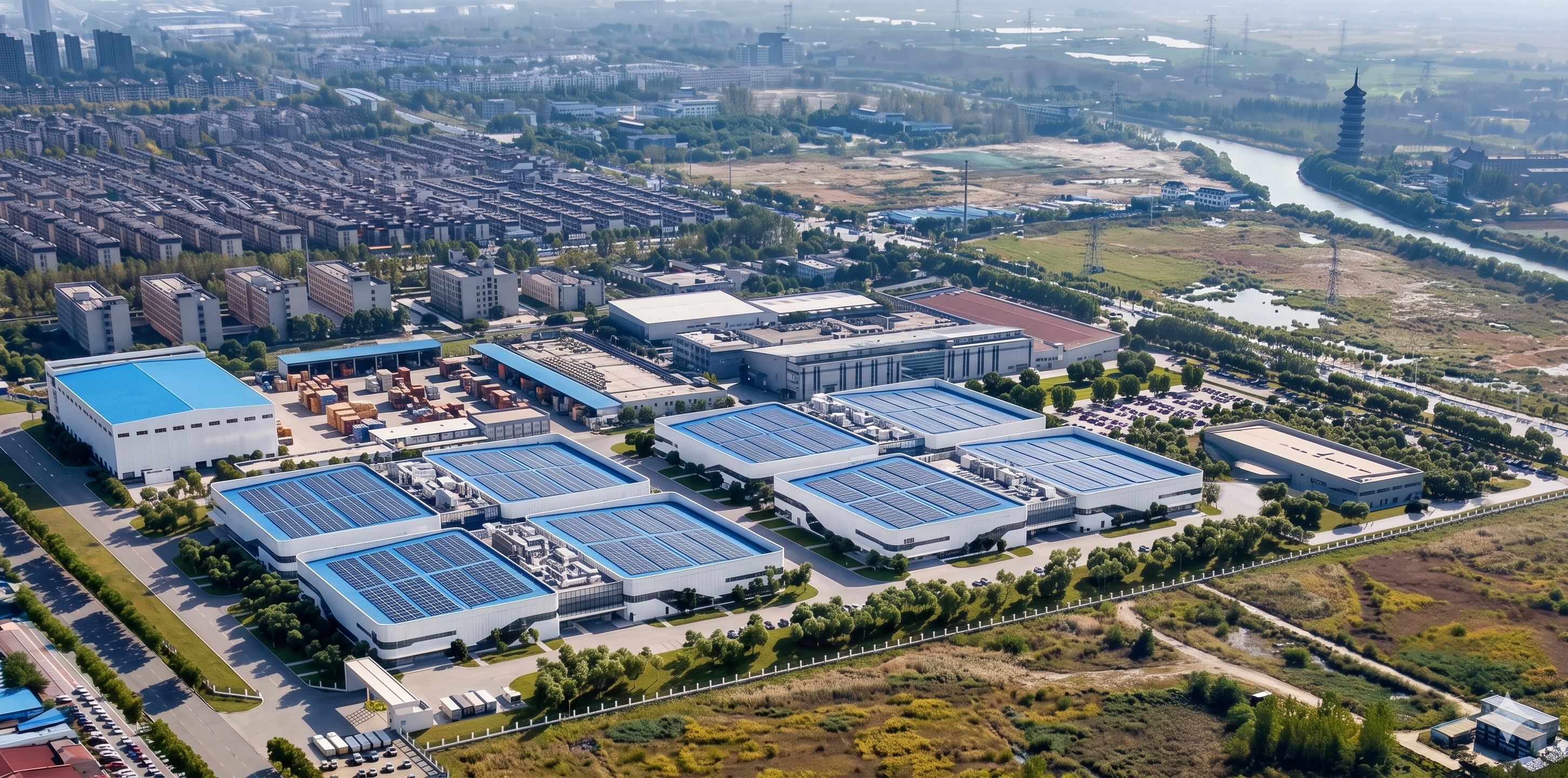
The company serves as an important manufacturing base for the international power supply chain, with products including power supplies, charging modules, power conversion equipment, and high-power power products, widely used in AI servers, consumer electronics, industrial equipment, and cloud computing markets.
The Chongqing base is a key high-tech manufacturing hub in western China, featuring large-scale mass production, automation, and high-density equipment operation, and plays a key role in global supply chain capacity planning.
With the rapid growth in demand for AI servers, high-performance computing, and new energy equipment, the manufacturing of high-power power supplies continues to demand increasing demands for energy stability, process efficiency, and intelligent management capabilities.
The Chongqing base is a key high-tech manufacturing hub in western China, featuring large-scale mass production, automation, and high-density equipment operation, and plays a key role in global supply chain capacity planning.
With the rapid growth in demand for AI servers, high-performance computing, and new energy equipment, the manufacturing of high-power power supplies continues to demand increasing demands for energy stability, process efficiency, and intelligent management capabilities.
Challenges and pain points
High-power equipment and utility systems operate for long periods, resulting in high energy pressure
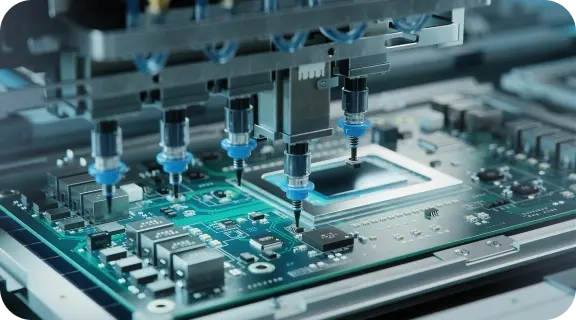
SMT, automated testing, aging testing, and high-power equipment require long-term stable operation. Combined with air conditioning, compressed air, and cooling systems, the plant's overall baseload power consumption remains high-end over the long term.
AI and global supply chain ESG requirements continue to rise
International brand clients not only demand quality and delivery times, but are also gradually raising requirements for supply chain carbon management, energy transparency, and ESG disclosure.
In high-volume production environments, energy and process must be stable simultaneously
Power supply products require high stability and reliability; fluctuations in air conditioning, power, and equipment systems can easily affect test stability and product quality.
JOSUN Sustainability Solutions
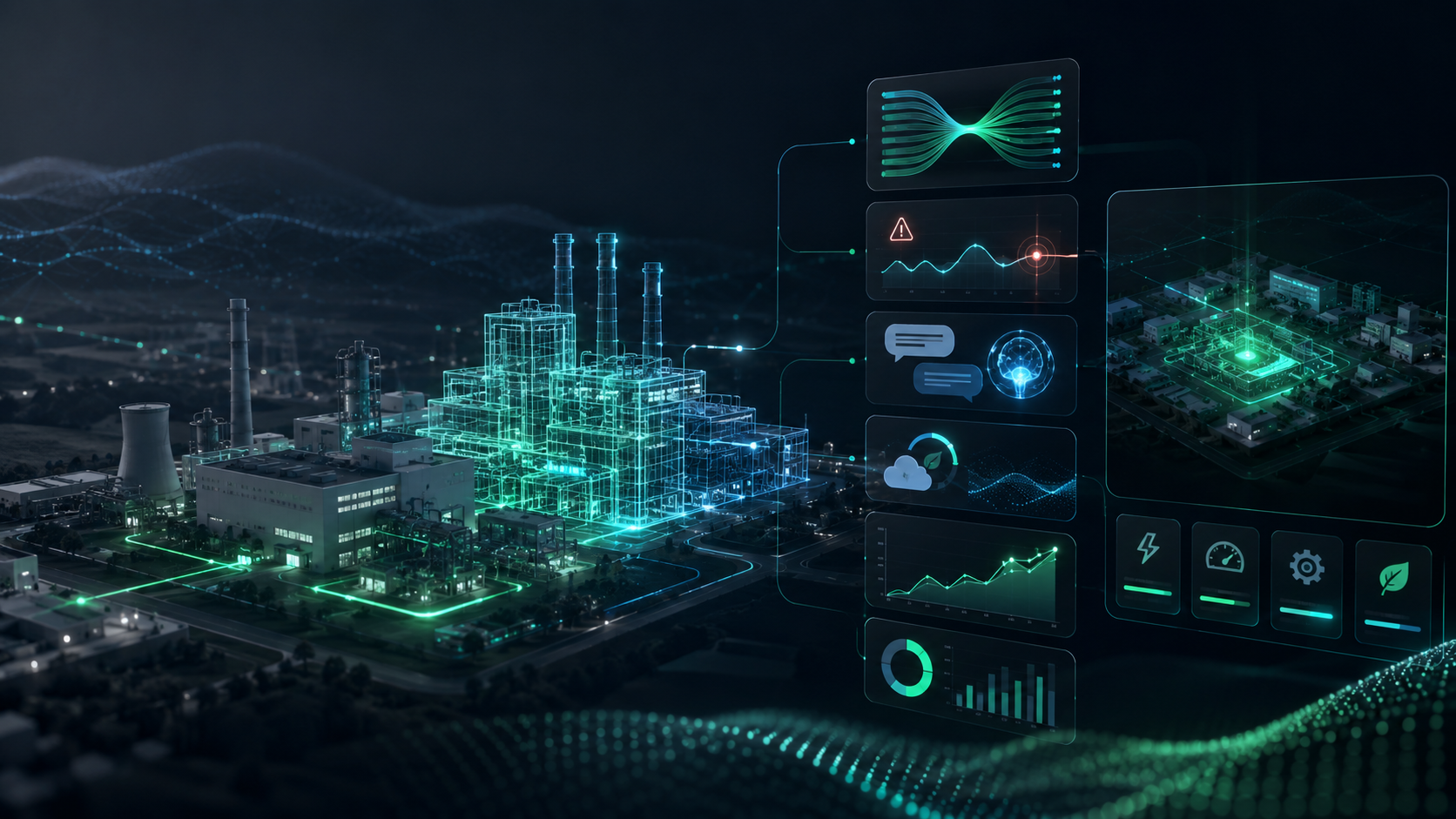
The integrated model of "Consulting + Platform + Engineering" achieves a transformation from decentralized management → data-driven → continuously optimizes energy-saving transformation


Visible: Energy Data Inventory and KPI Management Establishment (Energy Management)
Visible: Energy Data Inventory and KPI Management Establishment (Energy Management)
Conduct energy inventory and flow analysis for SMT, automated testing, air conditioning, air compression, and high-energy-consuming utility systems, establish an energy KPI management mechanism, and assist managers in understanding energy usage status across different equipment, regions, and time periods.
👉 Electricity costs can be reduced by about 5–10%.
👉 Electricity costs can be reduced by about 5–10%.
Managing Control: Centralized Factory Management and FMCS Integration (FMCS Management System)
Managing Control: Centralized Factory Management and FMCS Integration (FMCS Management System)
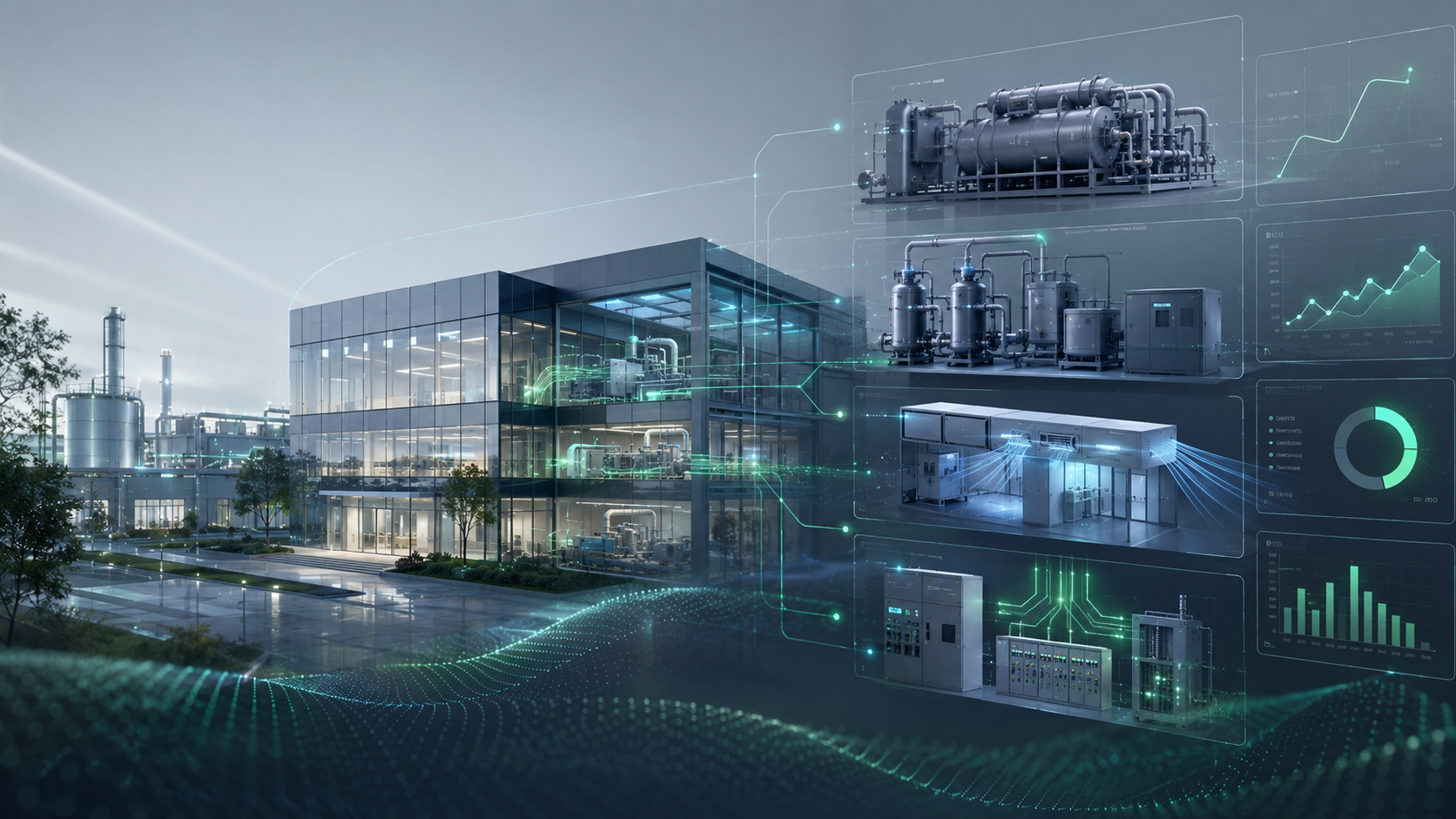
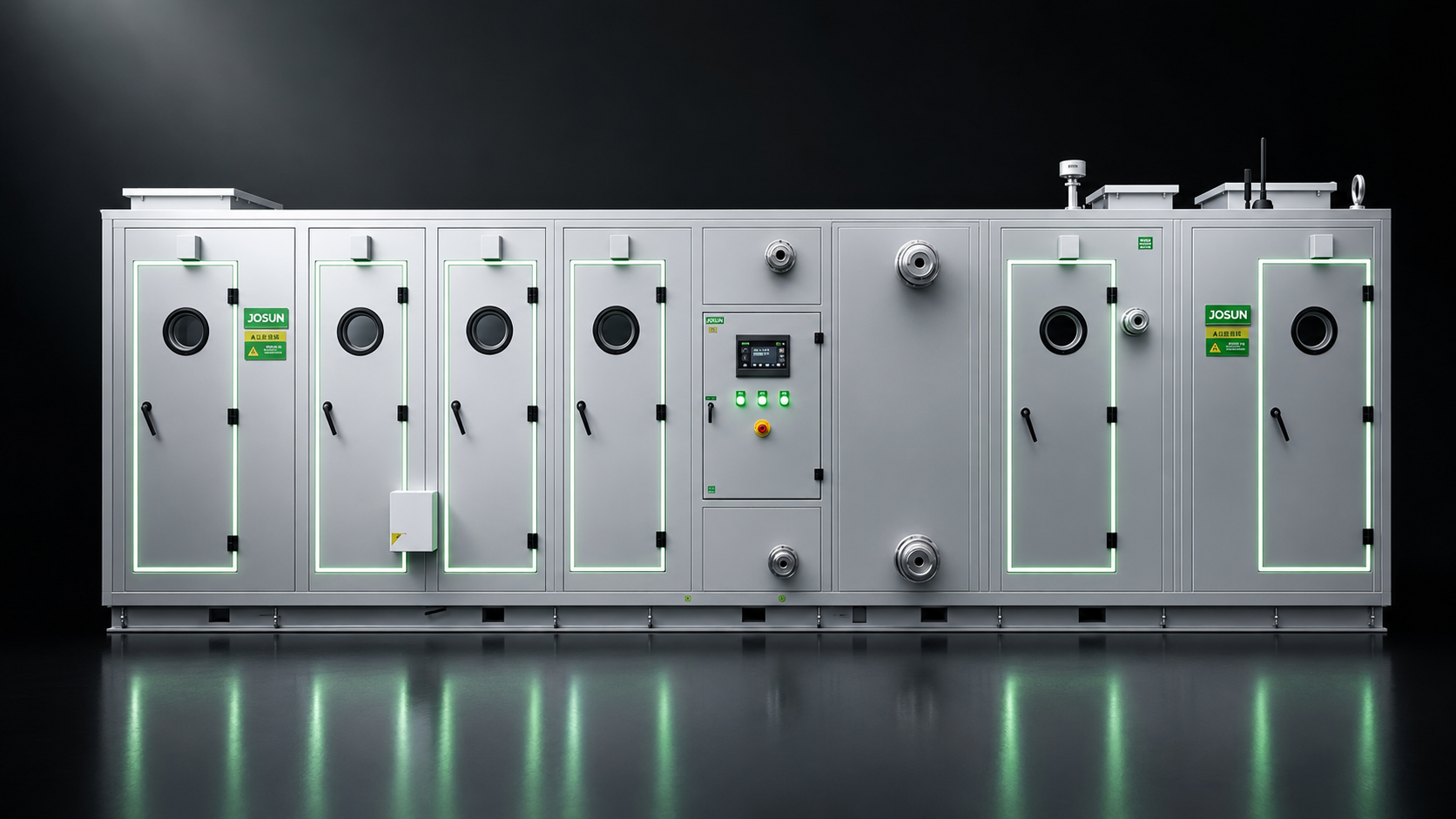
Introduced a one-stop FMCS facility management platform, integrating power, air conditioning, compressed air, and utility equipment systems. Through centralized management, control, and optimization platforms, it enhances overall operation and maintenance efficiency and equipment management capabilities.
At the same time, strengthen power system monitoring and anomaly early warning capabilities to improve the operational stability of high-tech plants.
👉 System energy efficiency can be improved by approximately 5–15%
At the same time, strengthen power system monitoring and anomaly early warning capabilities to improve the operational stability of high-tech plants.
👉 System energy efficiency can be improved by approximately 5–15%
Achieved: Energy Saving and Smart Control Optimization of Air Conditioning Systems (Air Conditioning Energy Saving Solutions)
Achieved: Energy Saving and Smart Control Optimization of Air Conditioning Systems (Air Conditioning Energy Saving Solutions)
Introducing energy-saving solutions for high energy-consuming air conditioning systems, including system design, equipment selection, and intelligent control optimization, improving overall air conditioning efficiency through adjustment and operation optimization of different subsystems.
👉 Each subsystem can improve energy efficiency by 10–25%.
👉 Each subsystem can improve energy efficiency by 10–25%.
APPLICATION
Why JOSUN
End-to-end delivery capabilities:
One of the few teams in the industry capable of delivering "MEP implementation + consulting diagnostics + software platform" in one place, providing one-stop integration and bridging the technical gap between software and hardware.
Extensive plant facilities engineering experience:
We are not only familiar with factory equipment and process logic but also a strategic partner with factory operation logic, ensuring that energy-saving solutions "do not affect production stability."
Ongoing enablement framework:
What we offer is not a one-off project, but a continuous adjustment and optimization mechanism based on data analysis, ensuring that energy-saving results are maintained over the long term and upgraded as policies evolve.


