












Enhance overall energy efficiency for lighting, air conditioning, and public utilities
Reduces the burden of manual equipment management and space adjustments
After establishing mechanisms for energy flow and KPI management, the overall reduction can be achieved
How can the new generation of smart office spaces achieve energy saving, comfort, and automated management simultaneously?
An international company's smart office laboratory has introduced smart energy and environmental control systems, creating a new generation of smart office spaces
Electricity costs can be reduced by about 5–10%.
Integrating smart air conditioning, smart lighting control, and smart toilet systems
Establish integrated control capabilities for lighting, air conditioning, and environmental quality
Electricity costs can be reduced by about 5–10%.
Integrating smart air conditioning, smart lighting control, and smart toilet systems
Establish integrated control capabilities for lighting, air conditioning, and environmental quality

Taiwan
Achievements and transformation
💰 Financial and operational value
About 5–10% of electricity costs
⚡ Smart office and environment enhancement
Establish integrated control capabilities for lighting, air conditioning, and environmental quality
Enhancing comfort and user experience in smart office spaces
Enhance office environment automation and real-time adjustment capabilities
Enhancing comfort and user experience in smart office spaces
Enhance office environment automation and real-time adjustment capabilities
🌱 ESG and the value of smart buildings
Establish a foundation for smart building energy management
Supporting green office and sustainable operational needs
Laying the foundation for future AI smart office and smart building application capabilities
Supporting green office and sustainable operational needs
Laying the foundation for future AI smart office and smart building application capabilities
Customer background
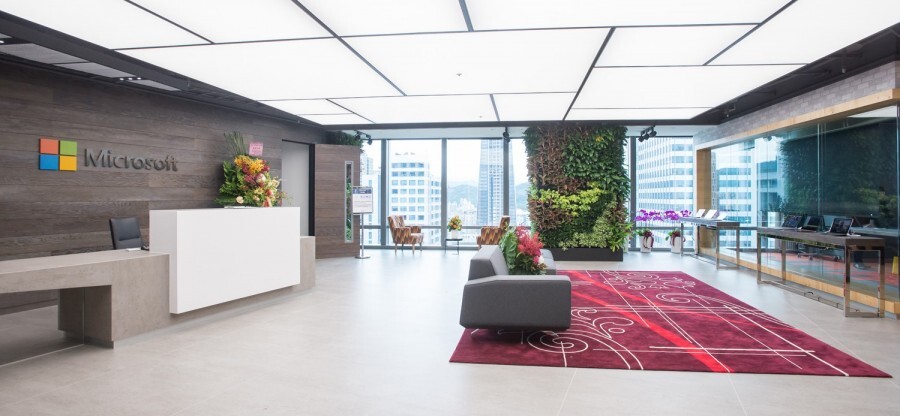
This project is a smart office experimental space created by an international tech company in Taiwan, integrating smart buildings, digital office, and environmental control concepts, serving as a demonstration base for next-generation smart workplaces. In addition to providing office functions, Banqiao Smart Office Lab has introduced a wide range of smart application scenarios, covering lighting, air conditioning, environmental quality, and space management, aiming to create a smart office environment that combines comfort, energy efficiency, and digital experiences. With the development of hybrid work, ESG, and smart building trends, companies are no longer just "usable" office spaces; they place greater emphasis on environmental quality, energy efficiency, and user experience.
Challenges and pain points
Lack of integration in office space energy management easily leads to energy waste
If lighting, air conditioning, and public equipment lack integrated control, they are prone to unnecessary energy consumption due to prolonged operation and changes in foot traffic.
Smart office scenarios require a higher degree of automation and data-driven capabilities
Companies are gradually adopting smart buildings and hybrid office models, with increasing demands for environmental control, automated management, and energy data transparency.
Office comfort and energy-saving needs must be balanced simultaneously
Smart office spaces must simultaneously consider temperature and humidity, lighting, air quality, and user experience, making it difficult for traditional equipment management methods to adjust and optimize in real time.
JOSUN Sustainability Solutions
The integrated model of "Consulting + Platform + Engineering" achieves a transformation from decentralized management → data-driven → continuously optimizes energy-saving transformation


Visible: Building Energy Data Inventory and Visualization (Energy Management Platform)
Visible: Building Energy Data Inventory and Visualization (Energy Management Platform)
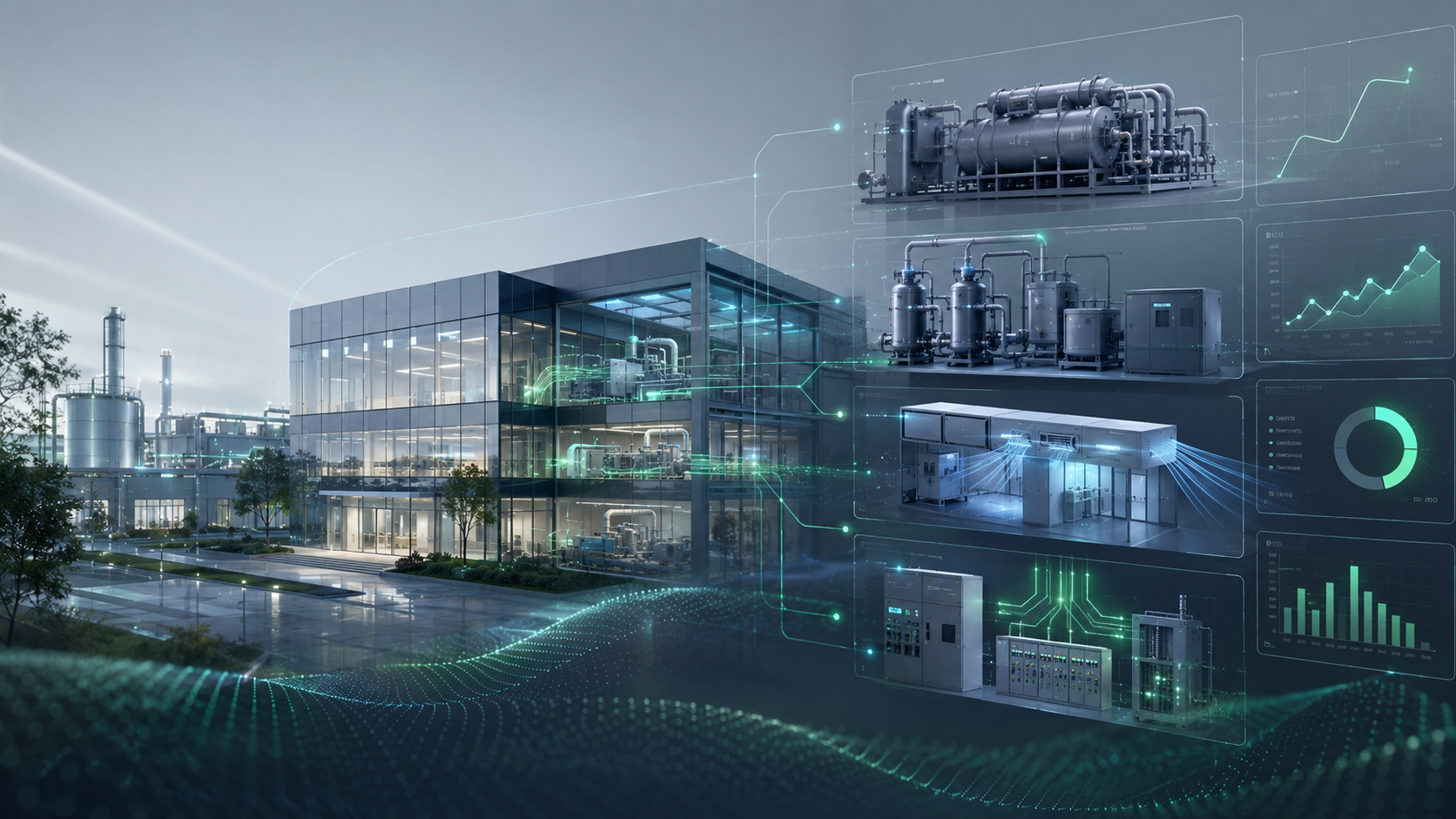
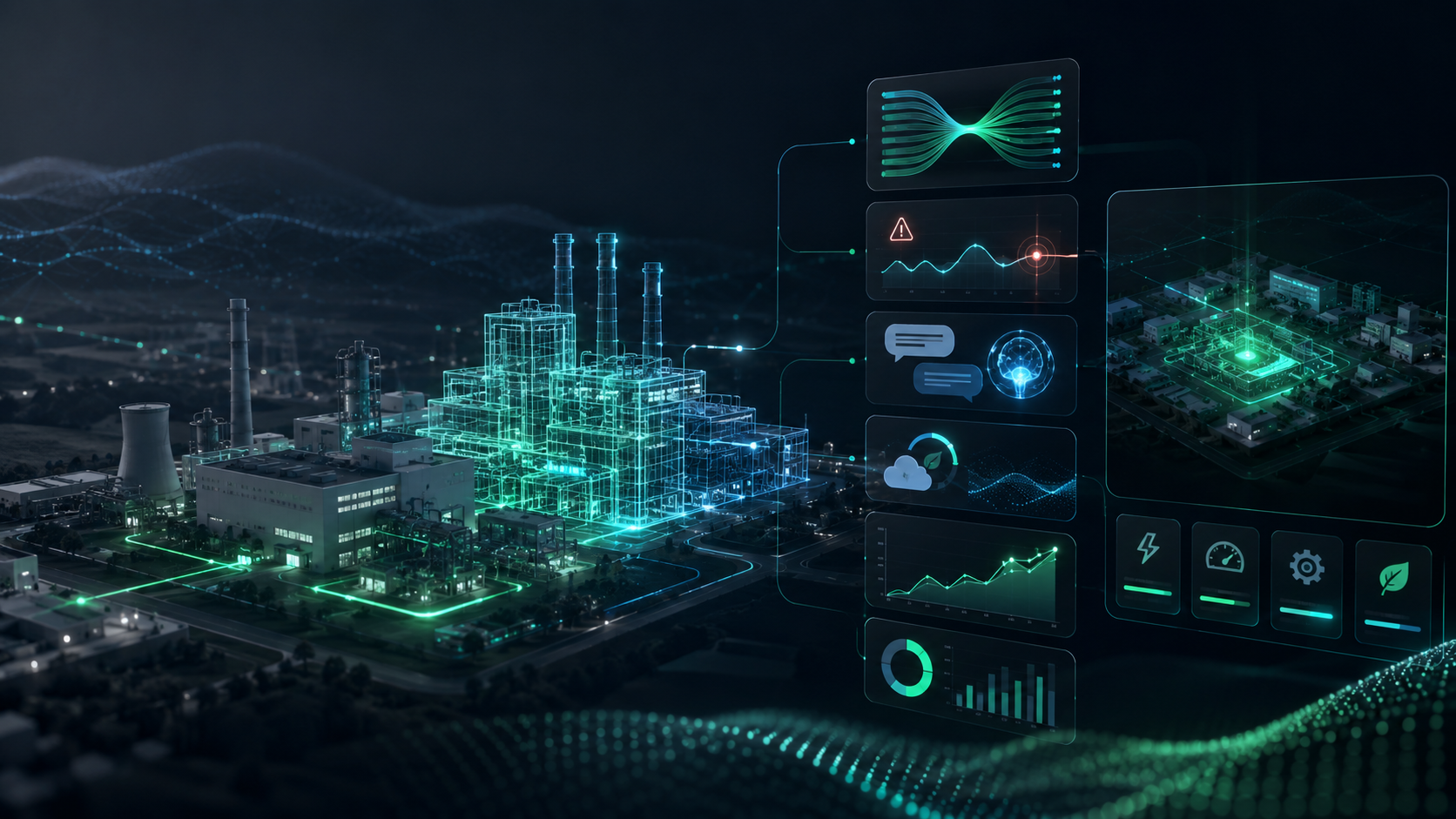
By integrating energy data from air conditioning, lighting, and public utilities through the building energy management platform, we establish a mechanism for energy flow and KPI management, enabling managers to instantly grasp energy usage across different regions and time periods.
👉 Electricity costs can be reduced by about 5–10%.
👉 Electricity costs can be reduced by about 5–10%.
Control: Integration of smart air conditioning and smart lighting control (smart environmental control).
Control: Integration of smart air conditioning and smart lighting control (smart environmental control).
Introducing smart air conditioning and smart lighting control systems that automatically adjust according to different spatial scenarios, pedestrian flow, and environmental conditions, enhancing spatial comfort and overall energy efficiency.
Simultaneously integrate environmental quality monitoring, smart toilets, and safety monitoring systems to enhance intelligent office space management capabilities.
👉 Establish automation control capabilities for smart office spaces
Simultaneously integrate environmental quality monitoring, smart toilets, and safety monitoring systems to enhance intelligent office space management capabilities.
👉 Establish automation control capabilities for smart office spaces
Achieved: Integration of smart office scenarios and lifestyle controls (smart office scenarios)
Achieved: Integration of smart office scenarios and lifestyle controls (smart office scenarios)
Introducing convenient and automated control into everyday scenarios, integrating lighting, air conditioning, smart restrooms, and environmental quality information to create a new generation office space that combines comfort, energy efficiency, and smart experiences.
👉 Enhancing the smart office environment experience and long-term operational efficiency
👉 Enhancing the smart office environment experience and long-term operational efficiency
APPLICATION
Why JOSUN
Understanding of occupant comfort and user experience requirements in smart office environments
Familiar with the high demands of smart office environments for environmental quality, lighting comfort, and spatial experience.
Smart building × energy management × automation control integration capabilities
From energy management platforms to smart air conditioning, smart lighting control, and environmental control, we help enterprises establish comprehensive smart office management capabilities.
Support ESG and smart building modernization requirements
Establishing a foundation for energy and environmental data to assist enterprises in meeting ESG, green office, and smart building development needs.


