

















Reduce overall electricity costs by approximately 5–10%.
Improve overall system energy performance.
From SMT to AI Servers: How Can Large Electronics Manufacturing Parks Reduce Air Conditioning Energy Consumption?
From air conditioning control to smart factory optimization
An international EMS electronics manufacturing base has introduced a smart air conditioning control system to improve the operational efficiency of large factories
Save about 5–10% on electricity costs
System energy efficiency improves by approximately 5–15%
Establish energy flow visibility and KPI-based management
Introduced a one-stop FMCS facility management platform
An international EMS electronics manufacturing base has introduced a smart air conditioning control system to improve the operational efficiency of large factories
Save about 5–10% on electricity costs
System energy efficiency improves by approximately 5–15%
Establish energy flow visibility and KPI-based management
Introduced a one-stop FMCS facility management platform
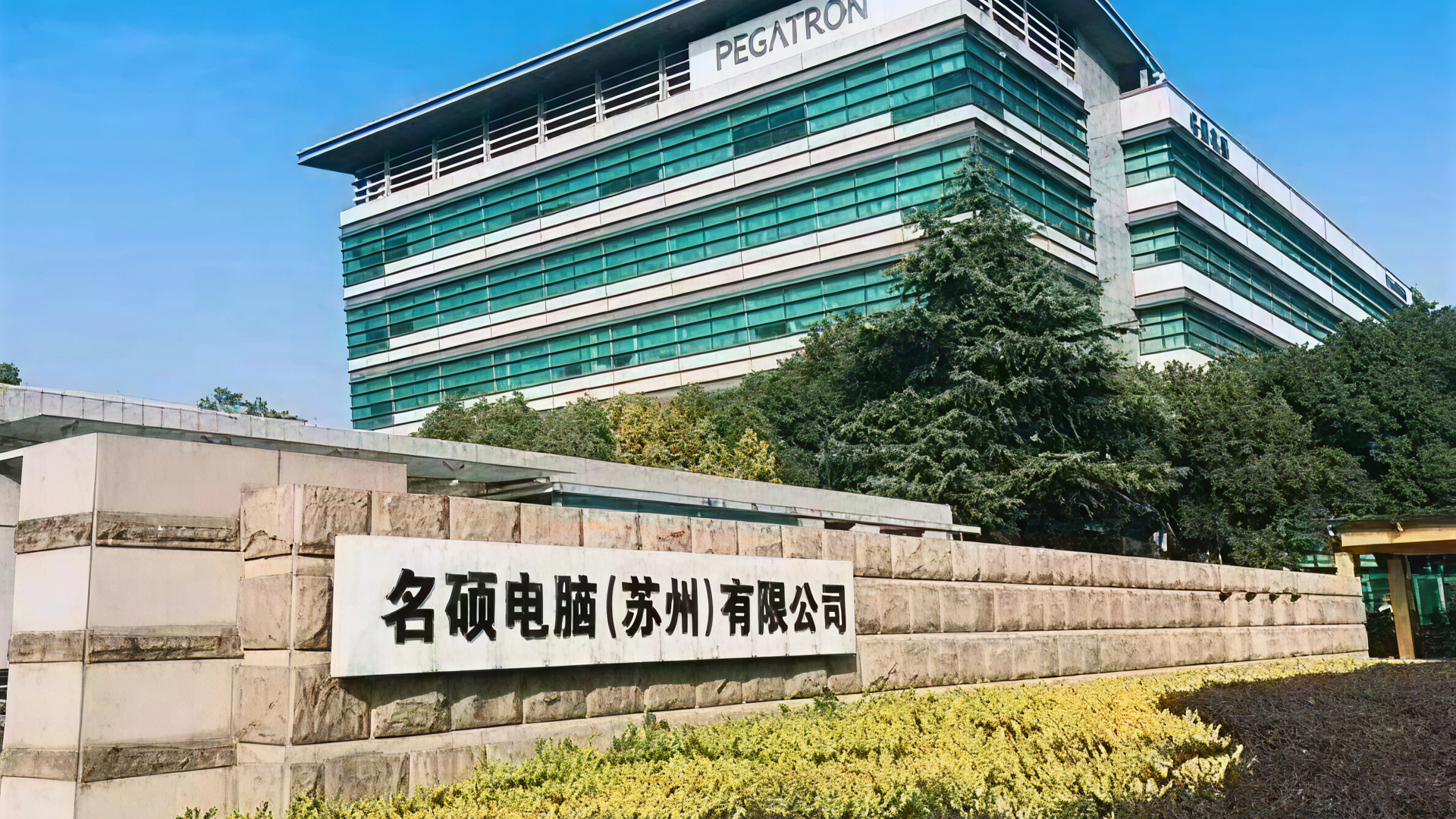

Suzhou, mainland China
Achievements and transformation
Financial Return (ROI):
About 5–15%
Operations and Energy Efficiency Improvement:
Establish energy flow visibility and KPI-based management
Enhance equipment operational transparency and management efficiency
Enhance the ability to adapt to the operation of high-energy-consuming equipment
Enhance equipment operational transparency and management efficiency
Enhance the ability to adapt to the operation of high-energy-consuming equipment
ESG and Compliance Value:
Establish a foundation for energy data and visualization capabilities
Supporting supply chain carbon management and ESG disclosure needs
Laying the foundation for future smart energy management and AI applications
Supporting supply chain carbon management and ESG disclosure needs
Laying the foundation for future smart energy management and AI applications
Customer background
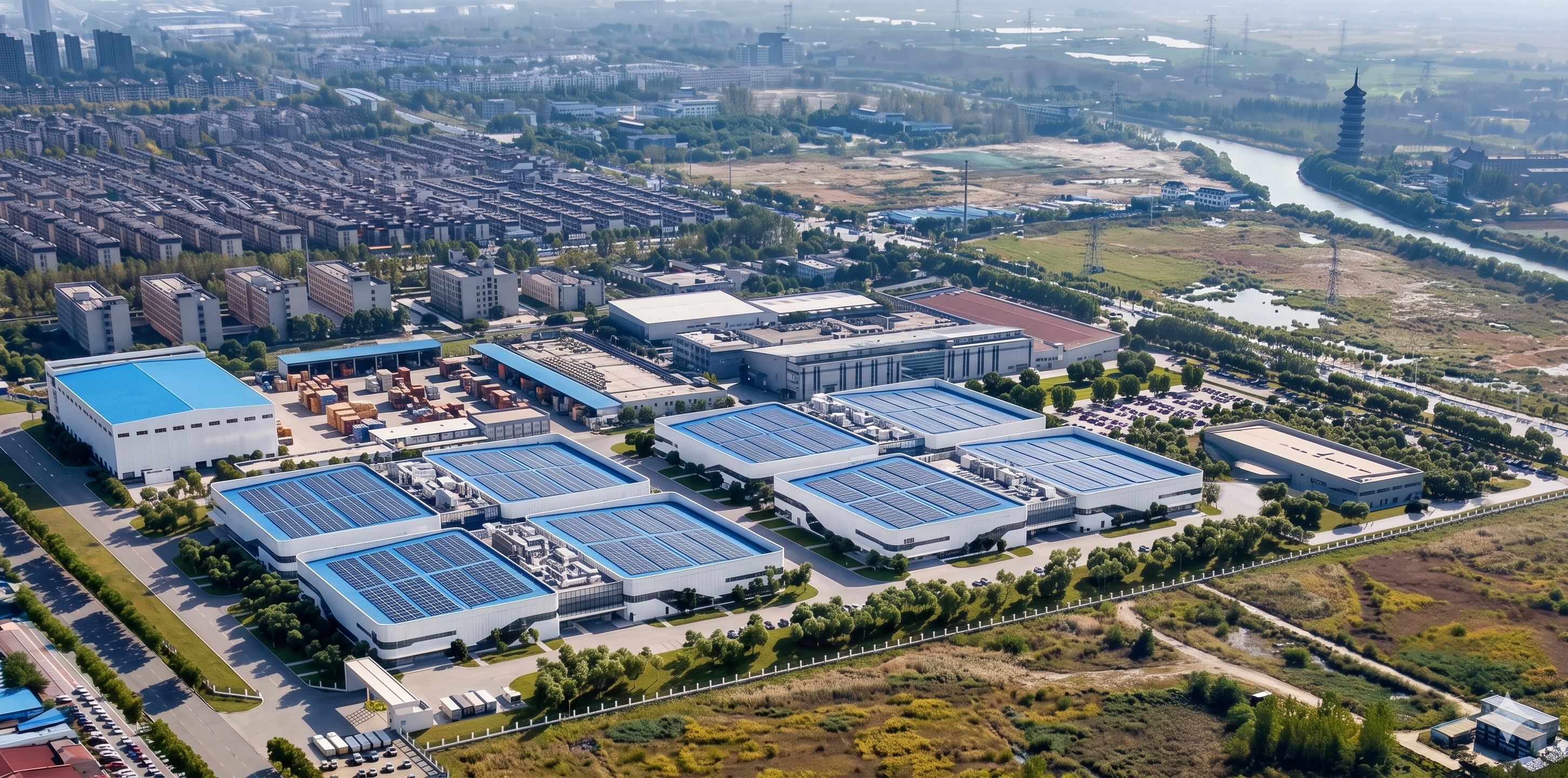
The case involves a manufacturing base for high-end electronic circuits and FPC-related products, located in the Kunshan electronics manufacturing cluster in China, providing long-term service to the supply chains of consumer electronics, communication equipment, and advanced electronic products.
As electronic products evolve toward higher density, thinner, and high-precision processes, factories continue to demand higher requirements for temperature and humidity control, air conditioning stability, and equipment yield.
Under the pressures of high-energy-consuming processes, supply chain ESG requirements, and dual carbon policies, energy management is no longer just about reducing costs—it has gradually become a key issue affecting process stability, customer certification, and supply chain competitiveness.
As electronic products evolve toward higher density, thinner, and high-precision processes, factories continue to demand higher requirements for temperature and humidity control, air conditioning stability, and equipment yield.
Under the pressures of high-energy-consuming processes, supply chain ESG requirements, and dual carbon policies, energy management is no longer just about reducing costs—it has gradually become a key issue affecting process stability, customer certification, and supply chain competitiveness.
Challenges and pain points
Large existing factory air conditioning systems consume high energy
The air conditioning system must maintain stable factory temperature and humidity 24 hours a day. In high-cycle manufacturing environments, air conditioning energy consumption has long accounted for a significant portion of the factory system.
Traditional control methods lack dynamic regulation capabilities
Existing air conditioning systems often rely on fixed parameters and manual adjustments, making it difficult to adapt to changes in time, region, and process requirements.
Process stability and energy-saving needs must be balanced simultaneously
The electronic manufacturing environment is sensitive to air quality and temperature and humidity fluctuations. If control is unstable, it can easily affect equipment operation and process quality.
JOSUN Sustainability Solutions
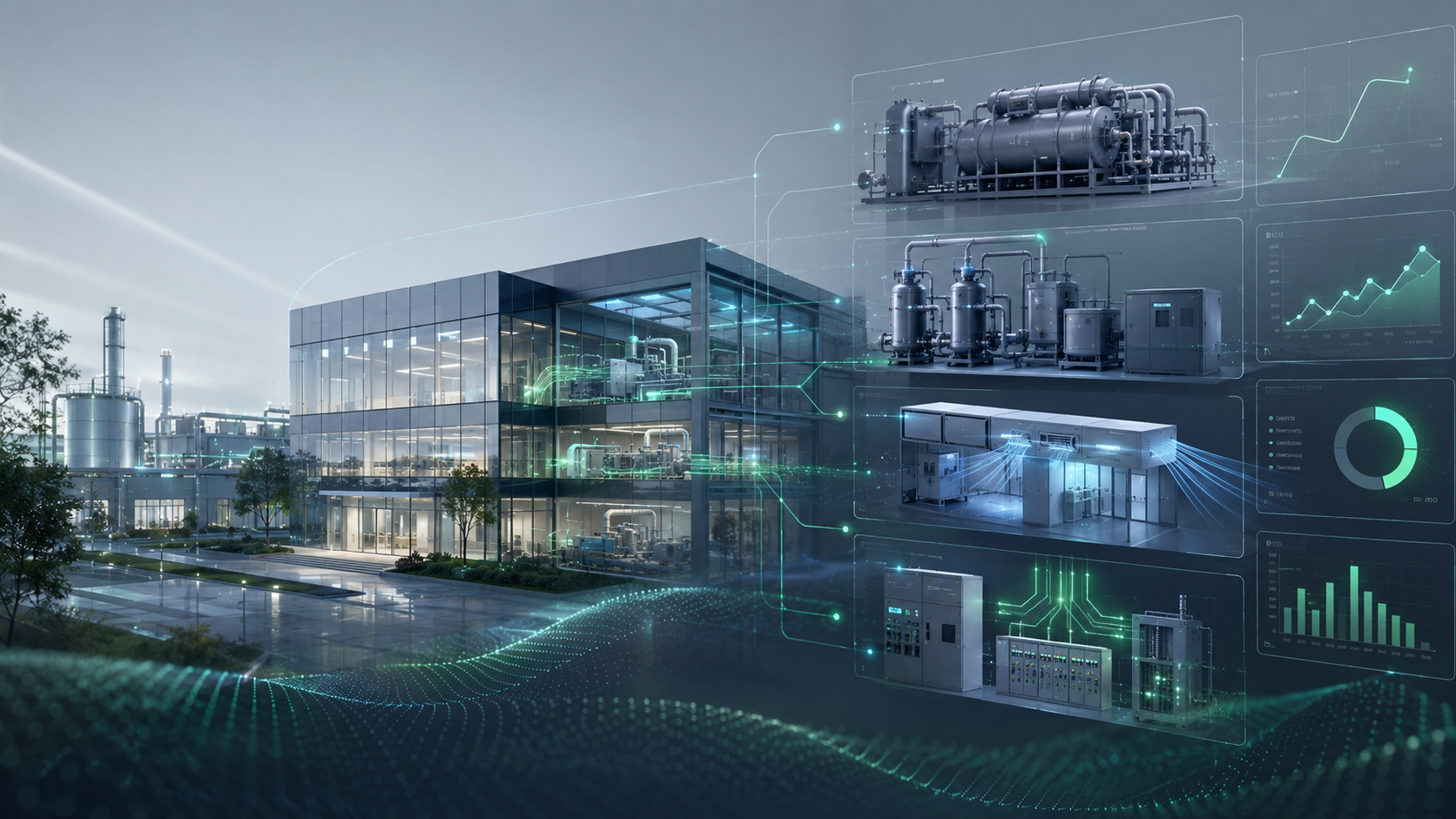
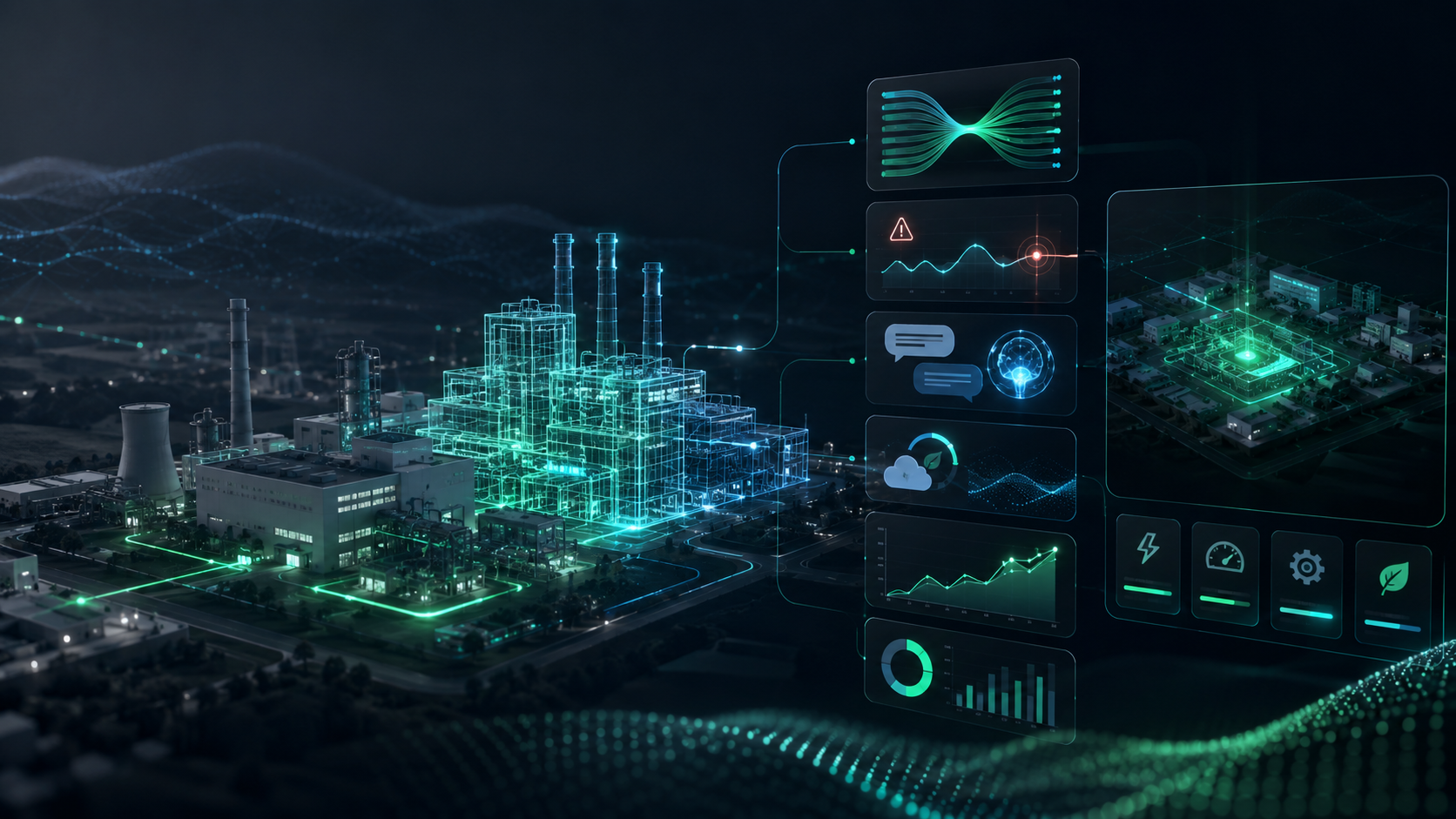
The integrated model of "Consulting + Platform + Engineering" achieves a transformation from decentralized management → data-driven → continuously optimizes energy-saving transformation


Visible: Visualization of Air Conditioning System Operation Data (Energy-Saving Consulting Services)
Visible: Visualization of Air Conditioning System Operation Data (Energy-Saving Consulting Services)
Conduct operational analysis and equipment assessments for existing plant HVAC systems, enabling managers to track operating conditions and energy consumption across different zones and time periods while establishing a baseline for future optimization.
👉 Improve operational visibility across large-scale plant HVAC systems.
👉 Improve operational visibility across large-scale plant HVAC systems.
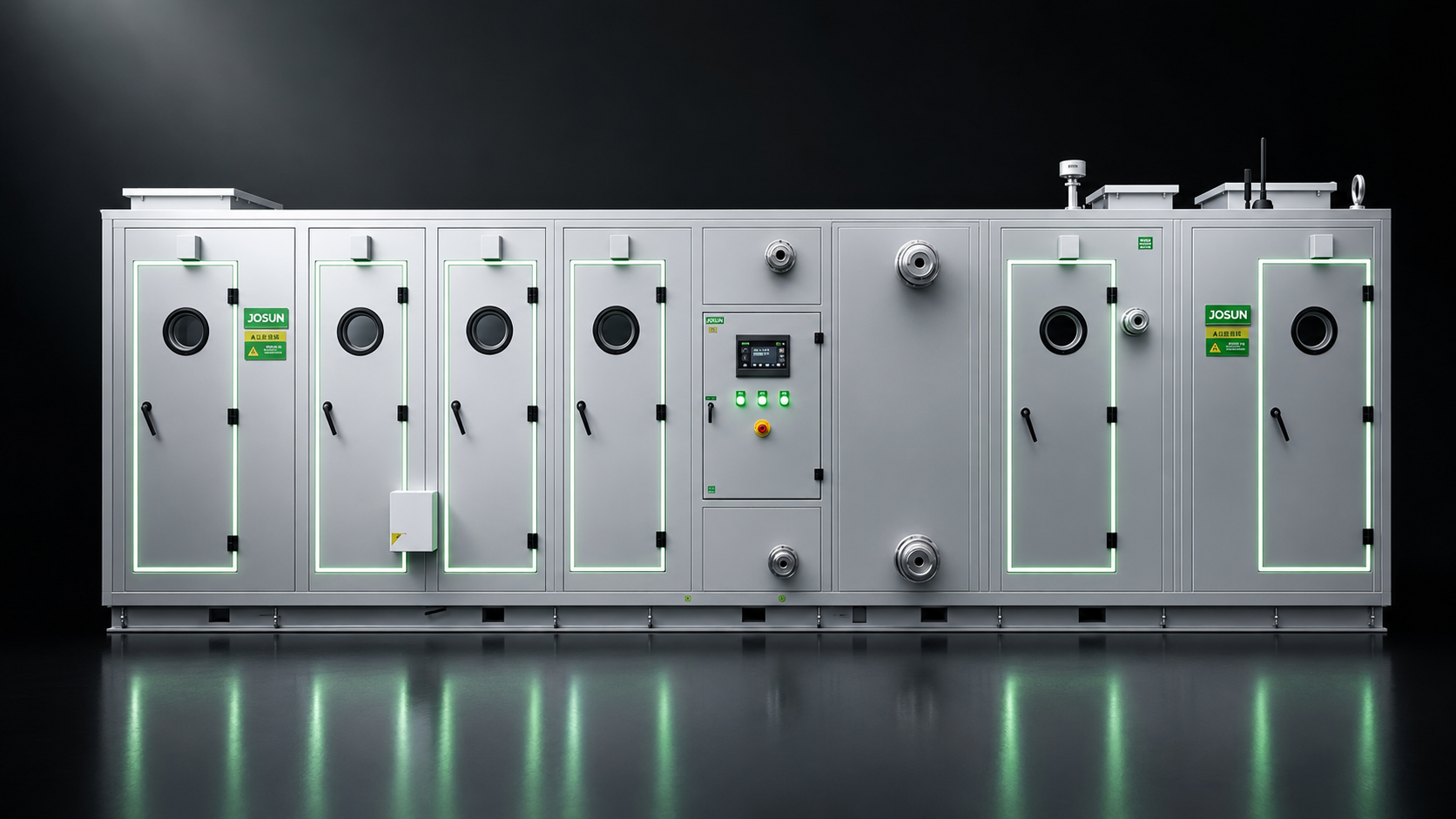
Control: Intelligent control of air conditioning boxes and air valve adjustment (smart control system)
Control: Intelligent control of air conditioning boxes and air valve adjustment (smart control system)
Introducing an intelligent control system for air conditioning boxes and air valve control mechanisms, which can be adjusted in real time according to factory environment requirements, improving air conditioning system efficiency and air circulation quality.
👉 Through a data-driven intelligent management model, overall system energy efficiency can be improved by approximately 5–15%
👉 Through a data-driven intelligent management model, overall system energy efficiency can be improved by approximately 5–15%
Achievable: Optimization of existing air conditioning systems and implementation of intelligent regulation (system energy-saving renovation project)
Achievable: Optimization of existing air conditioning systems and implementation of intelligent regulation (system energy-saving renovation project)
By optimizing air conditioning control logic and adjusting the air valve system, the existing air conditioning system is addressed by long-term high-load operation, establishing a sustainable and optimized smart HVAC management mechanism.
👉 Promote the digitalization and intelligent upgrading of energy management
👉 Promote the digitalization and intelligent upgrading of energy management
APPLICATION
Why JOSUN
End-to-end delivery capabilities:
One of the few teams in the industry capable of delivering "MEP implementation + consulting diagnostics + software platform" in one place, providing one-stop integration and bridging the technical gap between software and hardware.
Extensive plant facilities engineering experience:
We are not only familiar with factory equipment and process logic but also a strategic partner with factory operation logic, ensuring that energy-saving solutions "do not affect production stability."
Ongoing enablement framework:
What we offer is not a one-off project, but a continuous adjustment and optimization mechanism based on data analysis, ensuring that energy-saving results are maintained over the long term and upgraded as policies evolve.


