
















Energy flow tracking and KPI management can reduce overall electricity costs by approximately 5–10%.
HVAC energy optimization measures can deliver energy savings of approximately 10–25% across individual subsystems.
Centralized management and system optimization through the FMCS platform improve overall system energy performance.
How can newly built overseas factories quickly replicate operational experience?
A global electronics manufacturing giant introduced an intelligent FMCS platform and edge computing control, achieving up to 25% energy savings in air conditioning systems.
Electricity costs can be reduced by about 5–10%.
System energy efficiency can be improved by approximately 5–15%
Air conditioning system energy savings up to 25%
Electricity costs can be reduced by about 5–10%.
System energy efficiency can be improved by approximately 5–15%
Air conditioning system energy savings up to 25%
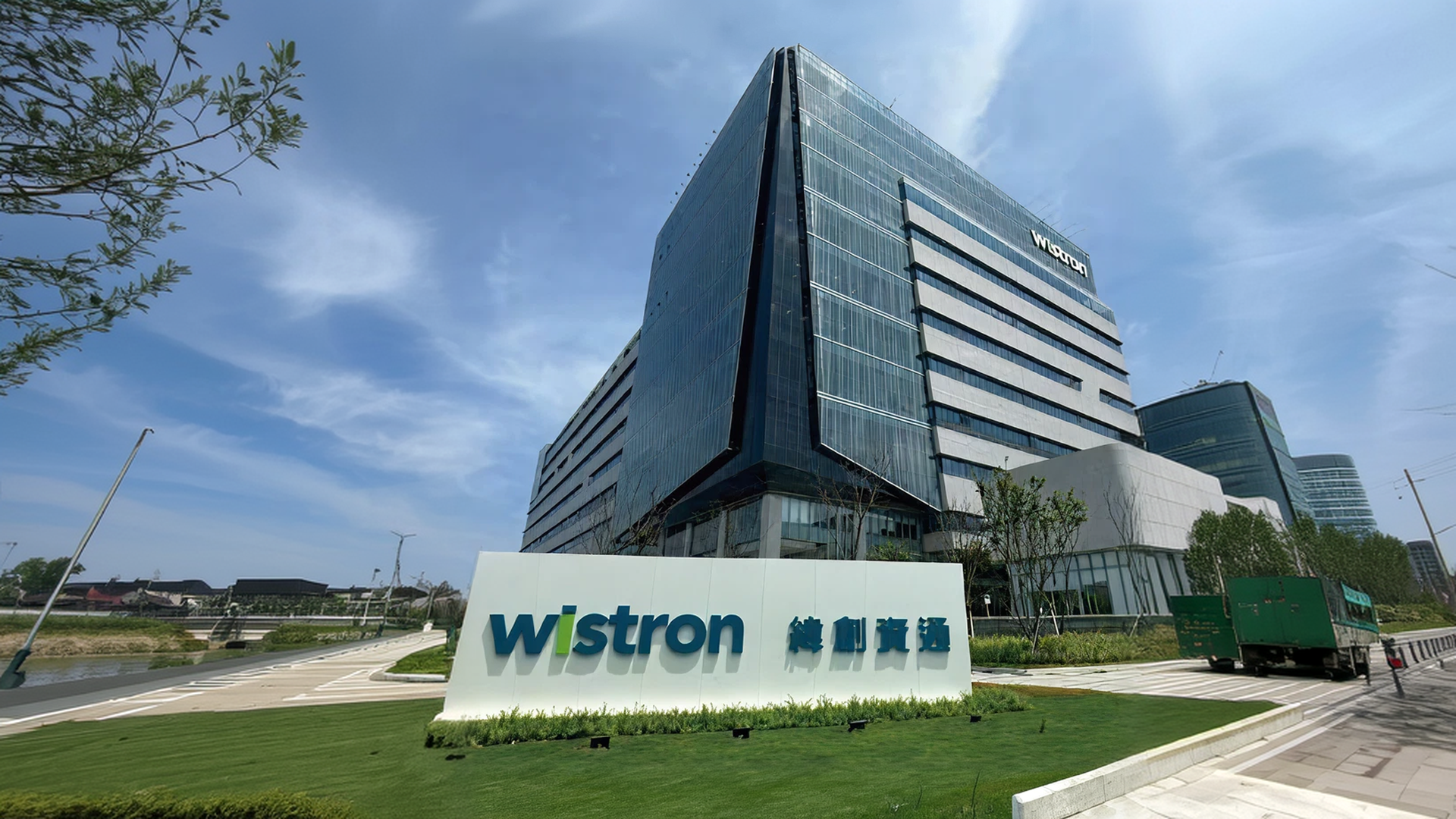

Taiwan
Achievements and transformation
Financial Benefit (ROI)
About 5–15%
⚡ Operational and management improvements
Establish centralized factory operations monitoring and management capabilities
Enhance equipment operation stability and management transparency
Simplify the operation process of the air conditioning system
Assist local plant operations teams in getting started quickly
Establish a replicable smart factory management model
Enhance equipment operation stability and management transparency
Simplify the operation process of the air conditioning system
Assist local plant operations teams in getting started quickly
Establish a replicable smart factory management model
🌱 ESG and smart manufacturing value
Establish a data foundation for energy and carbon management
Supporting smart factories and sustainable operational development
Laying the foundation for future AI Agents and autonomous control applications
Supporting smart factories and sustainable operational development
Laying the foundation for future AI Agents and autonomous control applications
Customer background
The company is a key member of the global electronic manufacturing services (EMS) and information product supply chain, with products covering information devices, communication products, smart terminals, and cloud computing-related applications.
With the global capacity layout and rising demand for smart manufacturing, new factories must not only meet production needs but also establish smart factory architecture that is quickly replicable, easy to manage, and energy-efficient.
For large electronics manufacturing bases, shortening the time required for new factory introduction and staff training while balancing equipment stability and energy management has become a key issue in building smart factories.
With the global capacity layout and rising demand for smart manufacturing, new factories must not only meet production needs but also establish smart factory architecture that is quickly replicable, easy to manage, and energy-efficient.
For large electronics manufacturing bases, shortening the time required for new factory introduction and staff training while balancing equipment stability and energy management has become a key issue in building smart factories.
Challenges and pain points
The equipment system for new plants is complex, making operational takeover difficult
The new factory covers air conditioning, electricity, utilities, and safety systems. Over-reliance on the experience of senior engineers will increase subsequent management and training costs.
High-tech electronics factories consume intensive energy
Air conditioning, clean environments, and public utilities require long-term stable operation. Without energy management mechanisms, energy waste and management blind spots are likely to occur.
Overseas factories require faster staff adaptation
In the process of cross-regional factory construction and local operations, lowering operational thresholds and standardizing management processes has become a key factor for companies to replicate successful experiences.
JOSUN Sustainability Solutions
The integrated model of "Consulting + Platform + Engineering" achieves a transformation from decentralized management → data-driven → continuously optimizes energy-saving transformation


Visible: Energy Data Inventory and KPI Management Establishment (Energy Management)
Visible: Energy Data Inventory and KPI Management Establishment (Energy Management)
Through smart meters and energy management systems, a comprehensive energy flow analysis and KPI management mechanism is established, enabling managers to instantly grasp the energy consumption status and efficiency of each system.
👉 Electricity costs can be reduced by about 5–10%.
👉 Electricity costs can be reduced by about 5–10%.
Manage: FMCS Integrated and Intelligent Monitoring Platform (FMCS Management System)
Manage: FMCS Integrated and Intelligent Monitoring Platform (FMCS Management System)
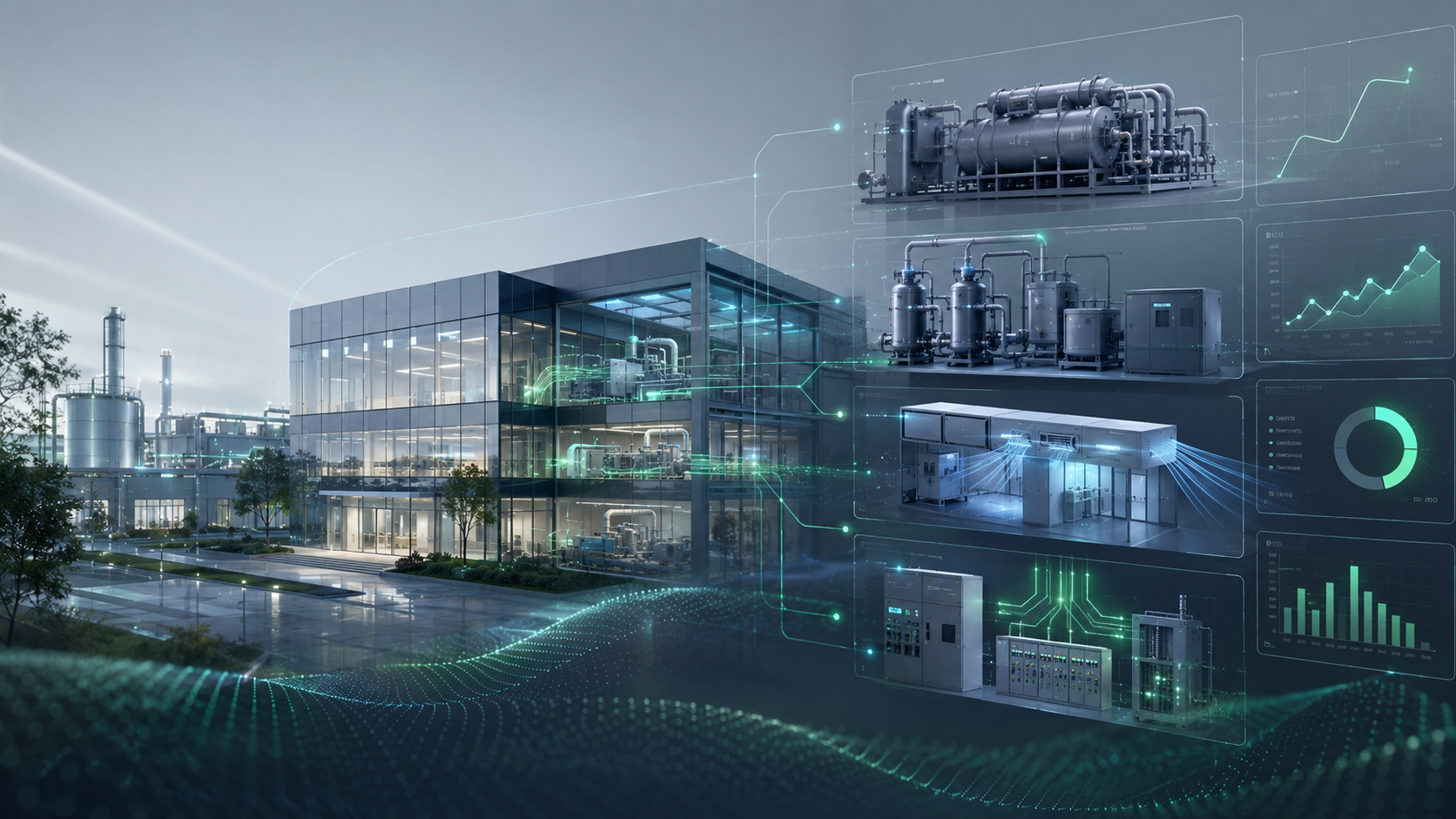
Introduced a one-stop FMCS facility management platform, integrating information on power systems, air conditioning systems, safety monitoring, and public equipment, establishing a centralized monitoring and management mechanism.
The platform can continuously optimize equipment operational efficiency through data analysis and system optimization.
👉 System energy efficiency can be improved by approximately 5–15%
The platform can continuously optimize equipment operational efficiency through data analysis and system optimization.
👉 System energy efficiency can be improved by approximately 5–15%
Achieved: Edge computing and smart air conditioning control (smart air conditioning)
Achieved: Edge computing and smart air conditioning control (smart air conditioning)
Introduced edge computational logic control technology to standardize and automate the operation logic of air conditioning systems.
Through the one-click start function of the air conditioning system, the operational process is greatly simplified, lowering the learning threshold for personnel, and helping the new plant quickly establish a stable operating model.
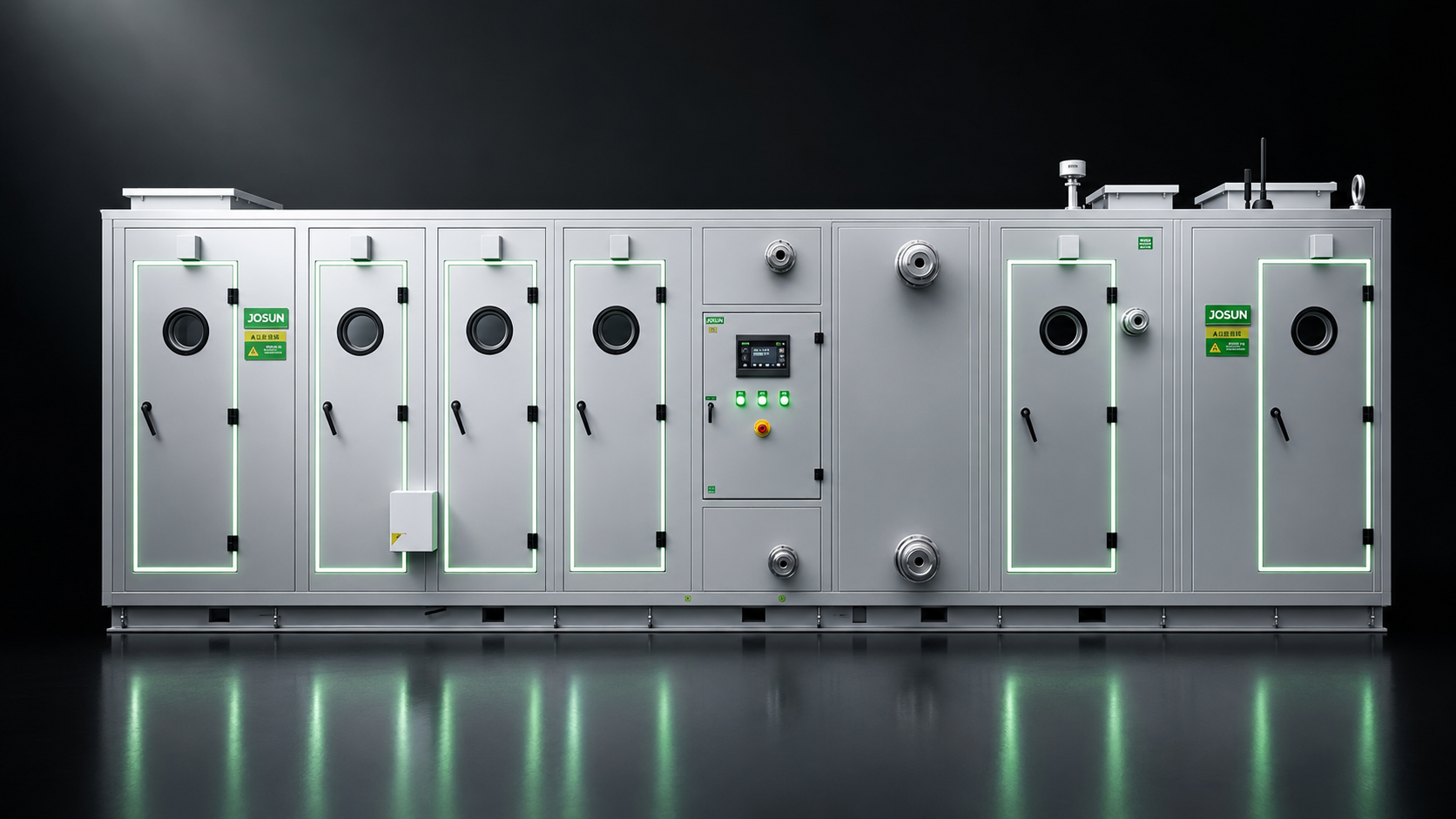
👉 Each subsystem of the air conditioning system can improve energy savings by 10–25%.
Through the one-click start function of the air conditioning system, the operational process is greatly simplified, lowering the learning threshold for personnel, and helping the new plant quickly establish a stable operating model.
👉 Each subsystem of the air conditioning system can improve energy savings by 10–25%.
APPLICATION
Why JOSUN
Deep expertise in high-tech electronics manufacturing environments
Understand the high demands of high-tech electronics factories for air conditioner stability, equipment reliability, and energy efficiency.
FMCS × energy management × edge computing integration
It's not just about monitoring equipment; through intelligent control and edge computing technology, device management moves from "visible" to "automatic optimization."
End-to-end delivery capabilities:
One of the few industry providers offering a full-chain solution combining "MEP engineering implementation + energy consultant diagnostics + digital platform development," avoiding the risk of multi-party coordination and shirking costs.


