















Energy flow tracking and KPI management can reduce overall electricity costs by approximately 5–10%.
HVAC energy optimization measures can deliver energy savings of approximately 10–25% across individual subsystems.
Centralized management and system optimization through the FMCS platform improve overall system energy performance.
With high-end PCB processes consuming high energy and heavy air conditioning loads, how can smart factories balance yield and energy savings?
A high-end PCB manufacturing base introduced FMCS and smart air conditioning systems, establishing sustainable operation capabilities for high-tech factories
Electricity costs can be reduced by about 5–10%.
System energy efficiency can be improved by approximately 5–15%
Optimizing air conditioning systems can improve energy savings by 10–25%.
Electricity costs can be reduced by about 5–10%.
System energy efficiency can be improved by approximately 5–15%
Optimizing air conditioning systems can improve energy savings by 10–25%.

Taiwan
Achievements and transformation
💰 Financial Benefit (ROI)
About 5–15%
⚡ Operations and energy efficiency improvement
Enhance the efficiency and transparency of high-tech factory operation and maintenance
Enhance the ability to adapt air conditioning, dehumidification, and high-energy-consuming equipment operationally
Establish intelligent early warning, KPI analysis, and data-driven operation and maintenance capabilities
Enhances environmental stability and product yield in high-density electronic processes
Enhance the ability to adapt air conditioning, dehumidification, and high-energy-consuming equipment operationally
Establish intelligent early warning, KPI analysis, and data-driven operation and maintenance capabilities
Enhances environmental stability and product yield in high-density electronic processes
🌱 ESG and smart management value
Establish a data foundation for energy and carbon management
Supporting ESG and energy transparency needs in advanced electronics supply chains
Laying the foundation for future smart factories and AI energy management capabilities
Supporting ESG and energy transparency needs in advanced electronics supply chains
Laying the foundation for future smart factories and AI energy management capabilities
Customer background
The company serves as a key manufacturing base for the global high-end PCB and flexible board supply chain, with products widely used in smart devices, wearable devices, high-speed transmission modules, and the high-end consumer electronics market.
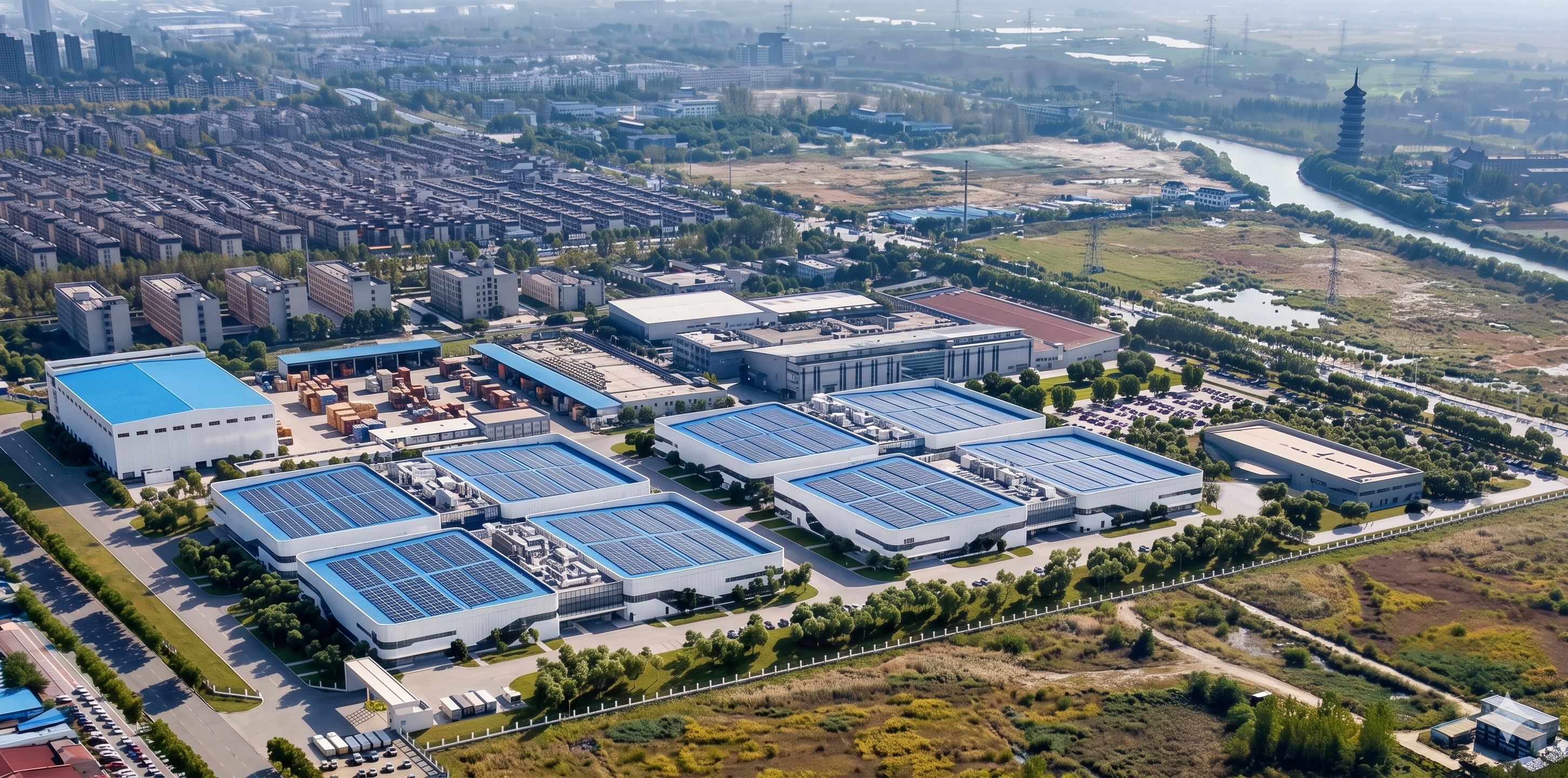
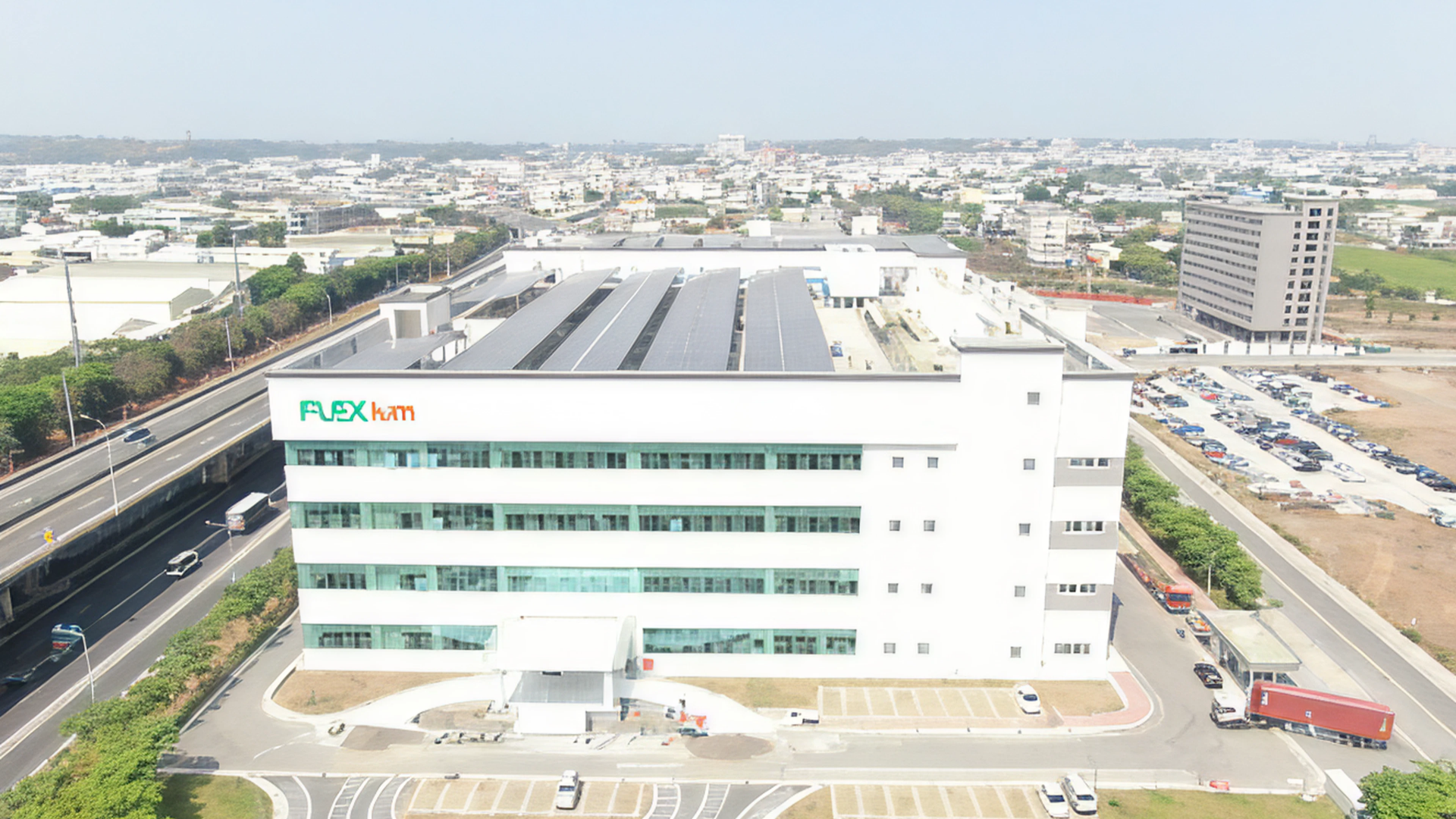
The Kaohsiung Hefa plant is a newly built high-tech electronics factory, introducing a highly automated and intelligent manufacturing architecture, and undertaking a key capacity layout in the supply chain for advanced electronic products.
With the continuous growth of high-density electronic products and high-speed transmission applications, advanced PCB manufacturing demands increasingly clean environments, equipment stability, and energy efficiency.
The Kaohsiung Hefa plant is a newly built high-tech electronics factory, introducing a highly automated and intelligent manufacturing architecture, and undertaking a key capacity layout in the supply chain for advanced electronic products.
With the continuous growth of high-density electronic products and high-speed transmission applications, advanced PCB manufacturing demands increasingly clean environments, equipment stability, and energy efficiency.
Challenges and pain points
High-end PCB processes consume high energy, and air conditioning and utility systems bear heavy loads
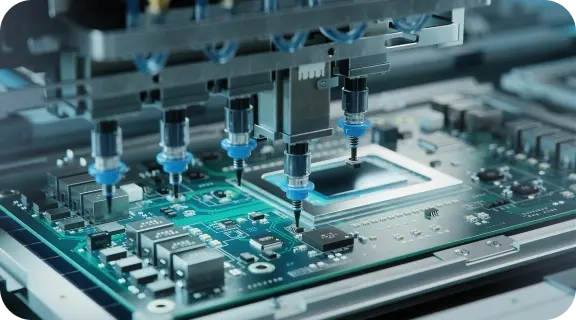
Etching, lamination, electroplating, and cleanroom environments require long-term stable operation. Combined with air conditioning, dehumidification, and air compression systems, the overall plant energy consumption remains high.
High-density electronics manufacturing demands extremely high environmental stability
High-end flexible boards and high-density PCBs are sensitive to temperature, humidity, cleanliness, and equipment stability. Unstable control can easily affect yield and product reliability.
Smart factories require more comprehensive data governance capabilities
As requirements for smart manufacturing and ESG increase, companies not only need to monitor energy usage but also establish early warning, analysis, and intelligent operation and maintenance capabilities.
JOSUN Sustainability Solutions
The integrated model of "Consulting + Platform + Engineering" achieves a transformation from decentralized management → data-driven → continuously optimizes energy-saving transformation


Visible: Energy Data Inventory and KPI Management Establishment (Energy Management)
Visible: Energy Data Inventory and KPI Management Establishment (Energy Management)
Conduct energy inventory and flow direction analysis for etching, lamination, air conditioning, dehumidification, air compression, and high energy-consuming utility systems, establish an energy KPI management mechanism, and assist managers in understanding energy usage status across different equipment, regions, and time periods.
👉 Electricity costs can be reduced by about 5–10%.
👉 Electricity costs can be reduced by about 5–10%.
Managing Control: Centralized Factory Management and FMCS Integration (FMCS Management System)
Managing Control: Centralized Factory Management and FMCS Integration (FMCS Management System)
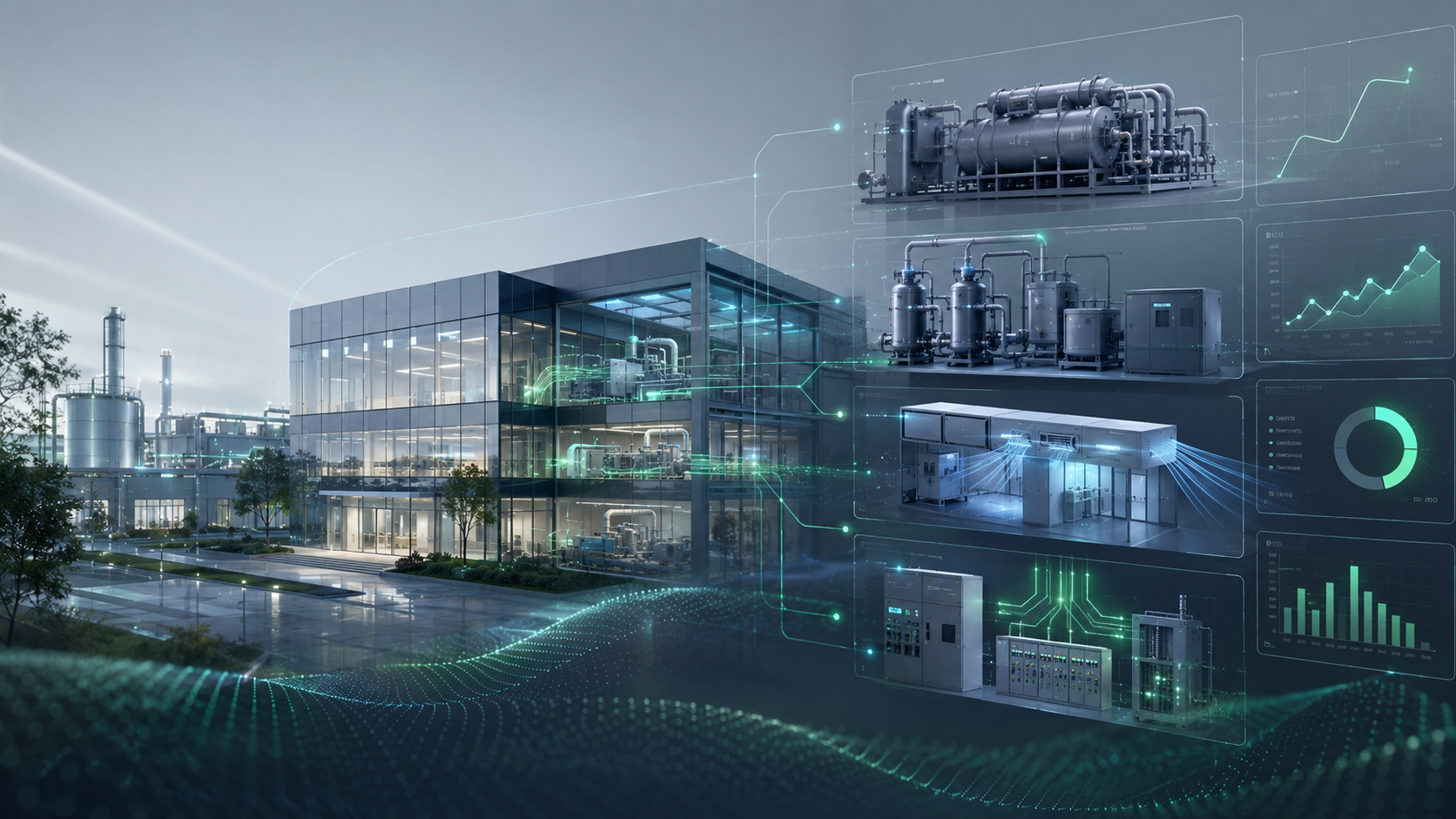
Introduced a one-stop FMCS facility management platform, integrating power, air conditioning, compressed air, and utility equipment systems. Through centralized management, control, and optimization platforms, it enhances overall operation and maintenance efficiency and equipment management capabilities.
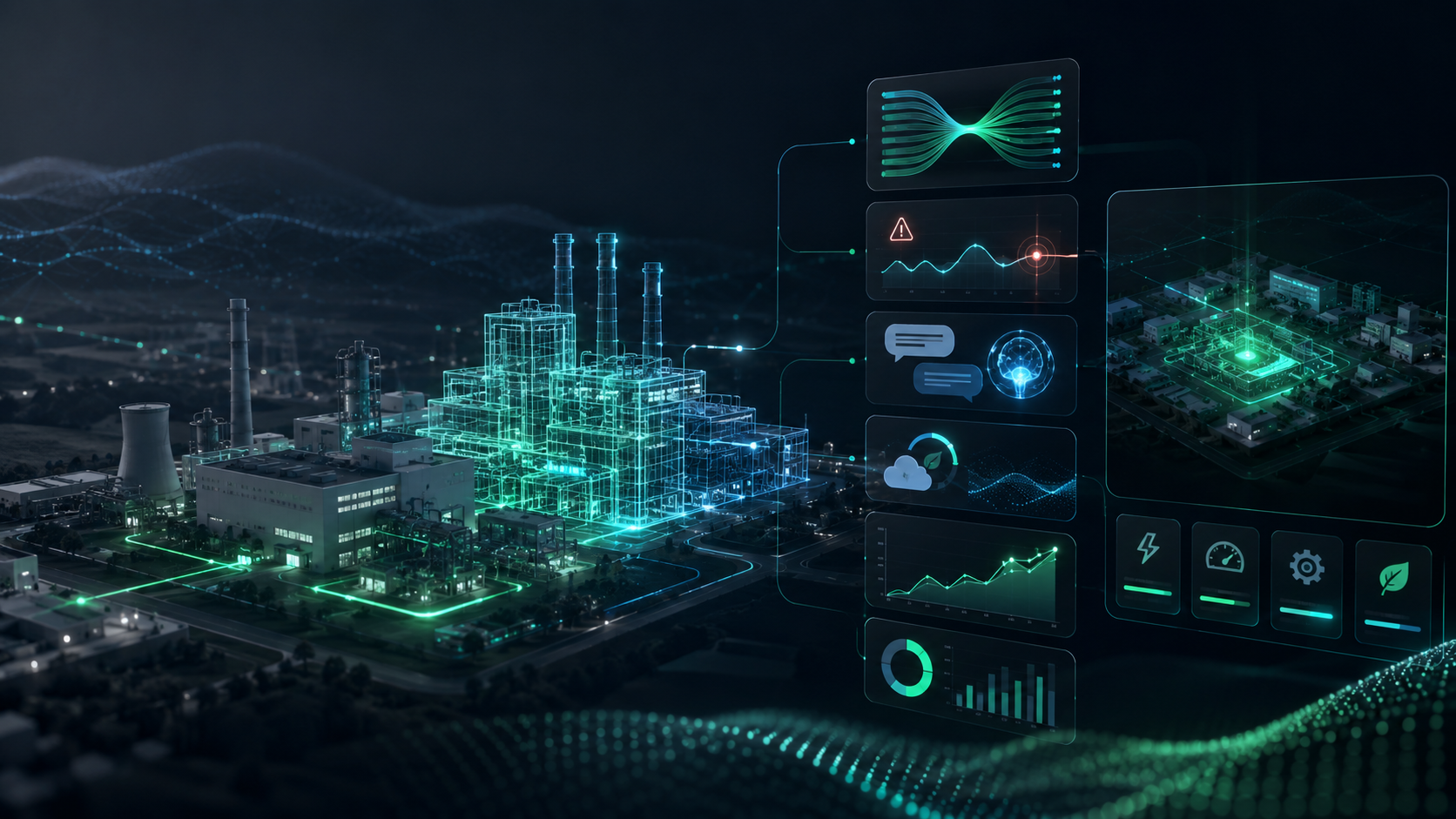
Simultaneously integrating smart meters and safety monitoring systems to establish real-time monitoring, abnormal early warning, and data analysis capabilities.
👉 System energy efficiency can be improved by approximately 5–15%
Simultaneously integrating smart meters and safety monitoring systems to establish real-time monitoring, abnormal early warning, and data analysis capabilities.
👉 System energy efficiency can be improved by approximately 5–15%
Achieved: Smart Air Conditioning and Data-Based Operation and Maintenance Optimization (Smart Air Conditioning System)
Achieved: Smart Air Conditioning and Data-Based Operation and Maintenance Optimization (Smart Air Conditioning System)
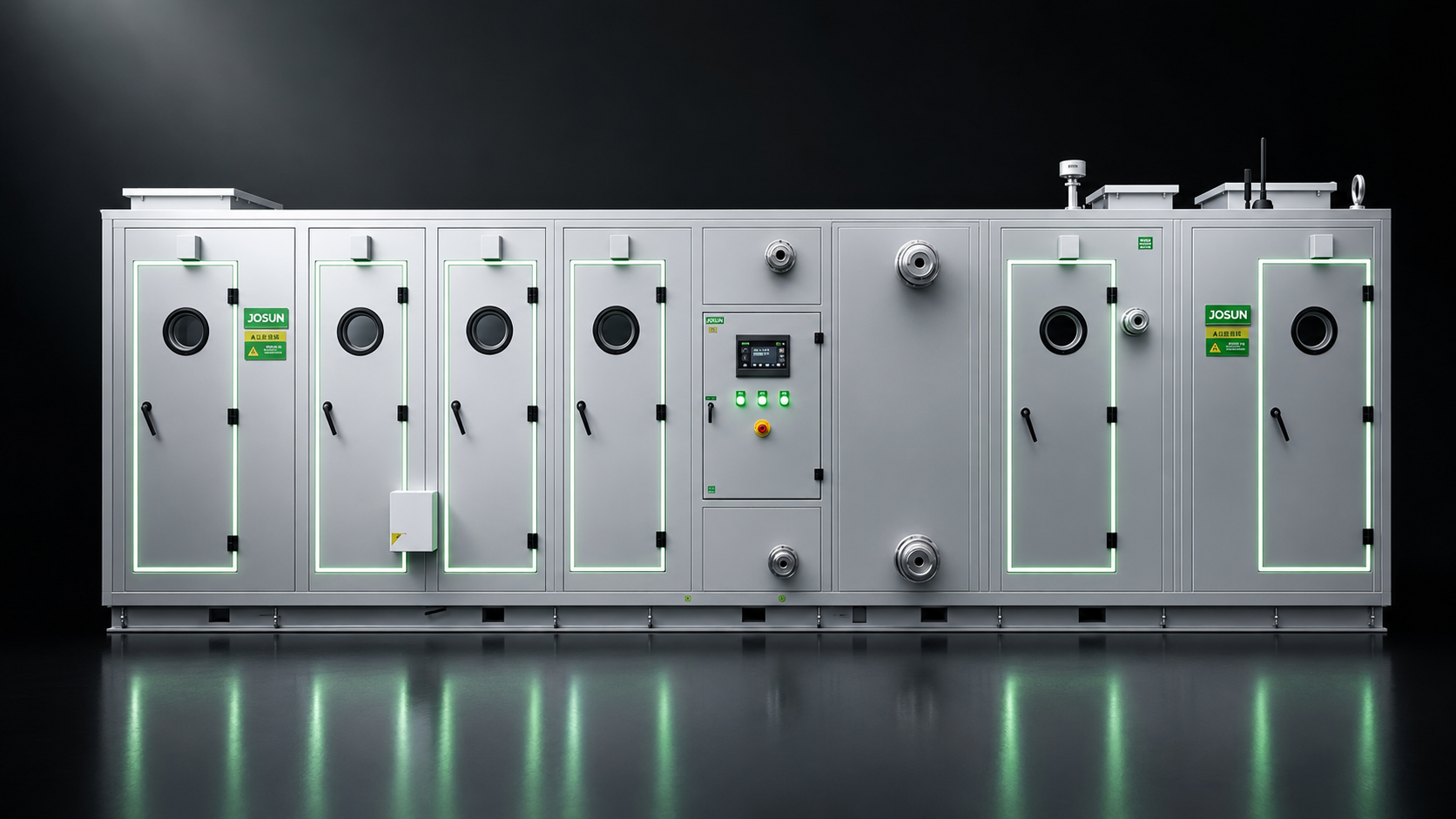
For high-energy-consuming air conditioning systems, smart energy-saving solutions have been introduced, including system design, equipment selection, and intelligent control optimization. Through adjustment and operation optimization of different subsystems, overall air conditioning efficiency is improved.
The platform also supports data analysis, report export, KPI management, forecasting, and early warning functions, enhancing long-term intelligent operation and maintenance capabilities.
👉 Each subsystem can improve energy efficiency by 10–25%.
The platform also supports data analysis, report export, KPI management, forecasting, and early warning functions, enhancing long-term intelligent operation and maintenance capabilities.
👉 Each subsystem can improve energy efficiency by 10–25%.
APPLICATION
Why JOSUN
Deep expertise in advanced PCB and high-density electronics manufacturing
Understand the high requirements for clean environments, temperature and humidity, and equipment stability in high-end flexible PCB and high-density PCB processes.
FMCS × Smart Air Conditioning × Energy Management Integration Capability
From energy management and FMCS to smart air conditioning and smart meters, we help enterprises establish comprehensive smart factory operations and energy management capabilities.
Support smart factory and ESG modernization requirements
Establish a foundation for energy and equipment data to help enterprises meet the development needs of advanced electronics supply chains, ESG, and smart manufacturing.


